




The Unseen Assault on Your Skin
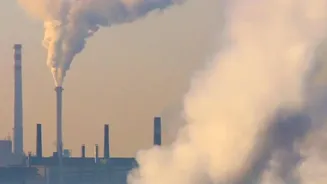
Our skin is our primary defence against the outside world, but it’s not invincible. Air pollution consists of tiny, harmful particles and gases like particulate matter (PM2.5), ozone, and nitrogen dioxide from vehicle exhaust and industrial emissions.
These pollutants are often microscopic, allowing them to penetrate the skin’s outer layers, clog pores, and generate damaging molecules known as free radicals. This process, called oxidative stress, is a major culprit behind many skin woes, from inflammation to premature ageing. Over time, this constant exposure can weaken the skin's natural barrier, leaving it vulnerable, dehydrated, and reactive.
From Dullness to Dark Spots
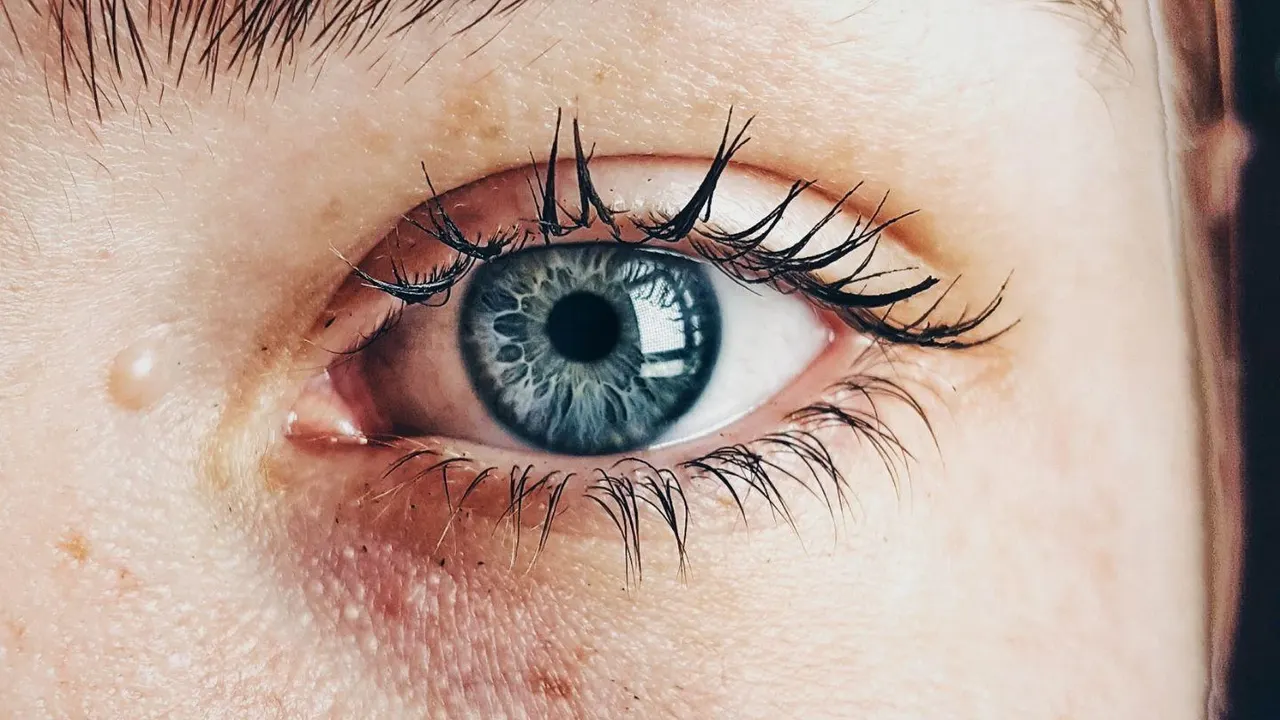
The damage from pollution isn't just theoretical; it shows up on our faces. One of the most common complaints is a dull, uneven complexion. This happens because oxidative stress can trigger excess melanin production, leading to hyperpigmentation and dark spots. Furthermore, pollution accelerates the breakdown of collagen and elastin, the essential proteins that keep our skin firm and youthful. This can result in the premature appearance of fine lines, wrinkles, and sagging skin. Studies have even shown that women living in highly polluted urban areas can have skin that appears up to 10 percent older than those in cleaner environments. It can also worsen inflammatory conditions like acne, eczema, and rosacea.
Defence Starts With Cleansing
The first and most crucial step in any anti-pollution skincare routine is thorough cleansing. Pollutants and grime accumulate on the skin's surface throughout the day, so it's vital to wash them away before they can cause long-term damage. Many dermatologists recommend a 'double cleanse' in the evening. Start with an oil-based cleanser to break down makeup, sunscreen, and oily impurities. Follow up with a gentle, water-based cleanser to wash everything away without stripping the skin of its natural moisture. This two-step process ensures your skin is a clean canvas, ready to absorb the beneficial products that follow.
Harness the Power of Antioxidants
Since pollution's primary weapon is oxidative stress from free radicals, your best defence is an army of antioxidants. These powerful molecules neutralize free radicals before they can harm your skin cells. Look for serums and creams rich in antioxidants like Vitamin C, which brightens the skin and supports collagen production, and Vitamin E, which helps with hydration and repair. Other beneficial antioxidants include niacinamide, resveratrol, and green tea extract. Applying an antioxidant serum every morning after cleansing provides a protective shield that works throughout the day to fend off environmental damage.
Strengthen Your Skin's Barrier
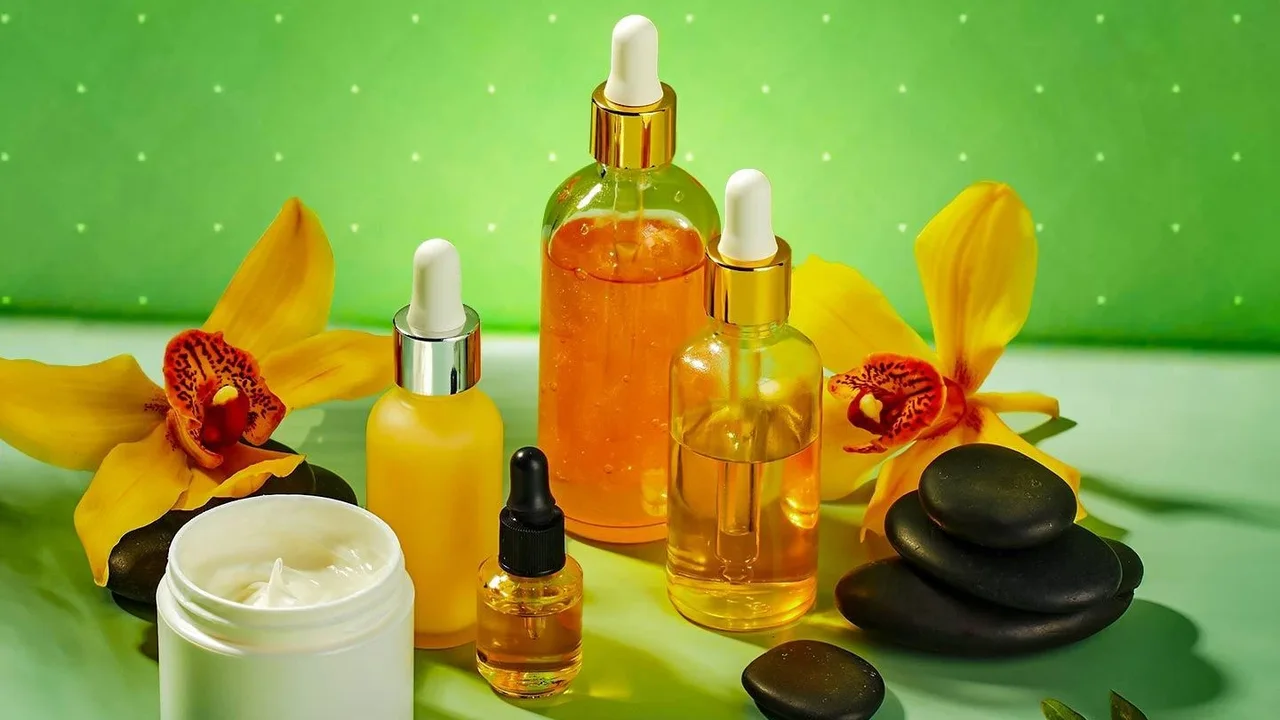
A strong, healthy skin barrier is essential for keeping pollutants out and moisture in. Pollution can weaken this barrier, leading to dryness, sensitivity, and irritation. To counteract this, it's important to focus on hydration and repair. Use moisturizers that contain ingredients like hyaluronic acid, which draws moisture into the skin, and ceramides, which are lipids that help form the skin's natural barrier. These ingredients work to replenish lost moisture and reinforce your skin's defences, making it more resilient against environmental stressors. Applying a good moisturizer morning and night is a non-negotiable step.
Never Skip Your Sunscreen
Sunscreen is a daily essential for everyone, but it's even more critical in polluted environments. UV radiation and air pollutants have a synergistic effect, meaning they are more damaging together than they are alone. UV rays can weaken the skin, making it more susceptible to damage from pollutants. Therefore, applying a broad-spectrum sunscreen with an SPF of 30 or higher every single day is one of the most effective things you can do to protect your skin. It shields you from harmful UV rays while helping to keep your skin barrier strong and better able to defend itself against pollution.