


What Exactly Is Cafestol?
Cafestol is a natural compound, specifically a type of molecule called a diterpene, found in the oils of coffee beans. You can't taste it, but it's present in every cup of coffee to some degree. Research has identified cafestol as the primary factor in coffee that
can raise serum cholesterol levels in humans. It’s important to note that while it can elevate cholesterol, some studies suggest cafestol may also have other effects, such as anti-inflammatory properties. However, its impact on cholesterol is the most studied and relevant for daily coffee drinkers.
The Link Between Cafestol and Cholesterol
The main health consideration with cafestol is its ability to elevate low-density lipoprotein (LDL) cholesterol, often called "bad" cholesterol. Cafestol appears to affect how the liver regulates cholesterol. Over time, high LDL levels can contribute to plaque buildup in the arteries, which is a risk factor for heart disease. The effect is significant enough that health bodies like the American Heart Association acknowledge the link, especially with unfiltered coffee. This doesn't mean all coffee is bad for your heart; in fact, moderate coffee intake is linked to many benefits. The key is how the coffee is prepared.
Why Your Brewing Method Is Crucial
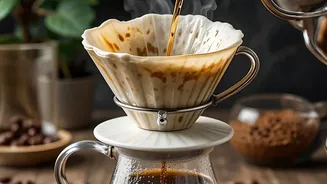
The amount of cafestol in your cup depends almost entirely on the brewing method. Paper filters are incredibly effective at trapping the oily compounds that carry cafestol. Drip or pour-over coffee made with a paper filter contains negligible amounts of cafestol. In contrast, brewing methods that involve direct, prolonged contact between hot water and coffee grounds without a paper filter allow much more cafestol to pass into the final drink. This includes popular methods like French press, Turkish coffee, and boiled coffee, all of which are associated with higher cafestol levels and a greater impact on cholesterol.
Espresso: A Special Case
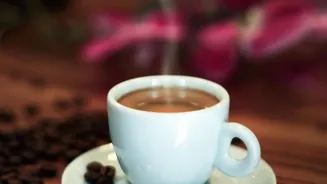
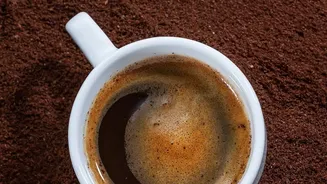
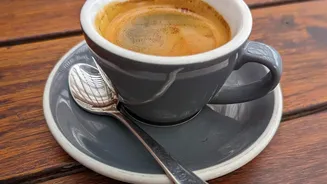
So where does espresso fit in? Espresso is made without a paper filter, using pressure to force hot water through a tightly packed puck of fine coffee grounds. Because it's unfiltered, it does contain cafestol. In fact, when measured by concentration (milligrams per litre), espresso can have very high levels of diterpenes. However, this is where the headline's point about portion size becomes critical. A typical serving of espresso is just one ounce (about 30 ml). While the concentration is high, the small volume means the total amount of cafestol in a single shot is moderate—often less than what you’d get in a large mug of French press coffee.
It's All About Volume and Frequency
This brings us to the core issue: total daily intake. A single espresso is unlikely to have a significant impact on your cholesterol. The concern arises with volume and frequency. Studies have shown that consuming three to five cups of espresso daily is associated with a measurable increase in total cholesterol, particularly in men. The risk isn't from one shot but from the cumulative effect of multiple unfiltered coffees throughout the day. For most healthy adults, the general advice is to stay under 400 mg of caffeine per day, which is about four or five single shots of espresso. If you already have high cholesterol, being mindful of your intake from unfiltered sources is especially important.
How to Enjoy Coffee Mindfully
This information isn't meant to scare you away from your favourite coffee. Instead, it empowers you to make informed choices. If you love espresso or French press coffee and are concerned about cholesterol, moderation is key. Consider limiting yourself to one or two shots per day. You could also alternate with filtered coffee methods, which remove over 90% of the cafestol. Some espresso enthusiasts even place tiny paper filters in their portafilters to reduce the oils, though this can affect the body and texture of the shot. Ultimately, for most people, the well-documented benefits of moderate coffee consumption—like improved focus and a lower risk for several chronic diseases—outweigh the risks, as long as you're mindful of how you brew and how much you drink.