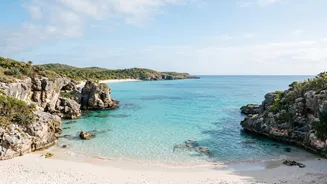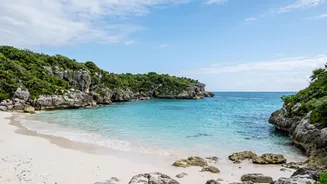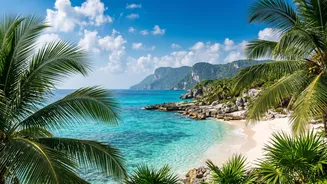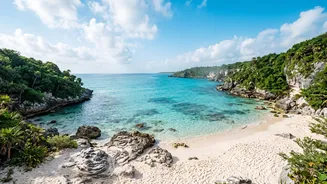




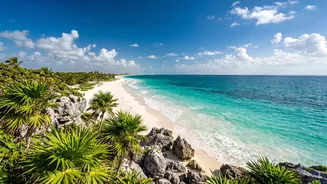

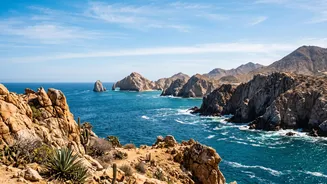
The dream of a Mexican getaway—turquoise waters, ancient ruins, vibrant street food—is a powerful one. But the reality can sometimes involve sharing that paradise with thousands of fellow travelers, especially during peak season.
Understanding Mexico's Travel Seasons
Mexico's travel calendar
is generally split into three parts. The high season, or peak season, typically runs from mid-December through April. This period includes Christmas, New Year's, and spring holidays, offering fantastic dry, sunny weather, but also the largest crowds and highest prices. The low season coincides with the rainy months, from May to October, which can bring humidity, afternoon showers, and the risk of hurricanes, particularly from June to October. The reward for traveling then is fewer tourists and lower costs. In between are the 'shoulder seasons'—specifically May, and then again from October to early November. These months often represent the sweet spot for a trip.
The Strategic Advantage of Shoulder Season
For travelers with flexible dates, the shoulder seasons of late spring and autumn are a game-changer. Months like May and November often provide the best of both worlds: the weather is generally still pleasant, but the winter and spring break crowds have dissipated. In May, you might catch the beginning of the whale shark season in the Caribbean with better value, while November offers lush green landscapes after the rainy season and the vibrant Day of the Dead celebrations in early in the month. Hotel rates and airfares are typically lower than in the high season, and you'll experience popular sites without feeling rushed or overwhelmed.
Navigating Peak Season Like a Pro
If your schedule only allows for a peak-season trip, don't despair. A great experience is still entirely possible with smart planning. The most critical step is to book everything—flights, accommodations, and key tours—as far in advance as possible to avoid sold-out options and soaring prices. Consider staying just outside the main tourist hubs. For example, instead of staying in the heart of Cancún's Hotel Zone, look at properties slightly to the north or south. In Los Cabos, a private villa in a gated community can offer a retreat from the downtown crowds. Adopting an early-bird mentality is also crucial. The most popular attractions are often quietest just as they open for the day.
Smart Tactics for Popular Attractions
Even during the busiest weeks, you can carve out moments of tranquility at Mexico's most iconic spots. For world-famous ruins like Chichen Itza, the strategy is simple: arrive right at the 8:00 AM opening time. This gives you a solid twond hour window before the bulk of the tour buses from Cancún and the Riviera Maya begin to arrive around 10:15 AM. The same logic applies to swimming in cenotes; the most famous ones can feel like water parks by midday, but are serene in the morning. Alternatively, seek out lesserndown cenotes, as there are thousands across the Yucatán Peninsula. Instead of the alwaysndpacked Isla Mujeres, consider a trip to the more protected and lessvisited Isla Contoy.
Discovering Blissful Alternatives
Sometimes the best way to beat the crowds is to sidestep the most famous hotspots altogether. Mexico's vast coastline and rich interior offer countless alternatives that deliver a similar charm with a fraction of the people. Instead of Cancún or Tulum, explore the Costa Maya, south of the Riviera Maya, with destinations like Bacalar and its 'Lagoon of Seven Colors'. On the Pacific Coast, the Costalegre region between Puerto Vallarta and Manzanillo offers luxury in a more natural, protected setting. For a laidback beach vibe, consider Zihuatanejo or the coastal towns of Oaxaca. Exploring the country's designated 'Pueblos Mágicos' (Magical Towns) can also lead you to culturally rich, less touristed gems far from any main resort areas.