






Beyond the Postcard: The Rise of Responsible Tourism
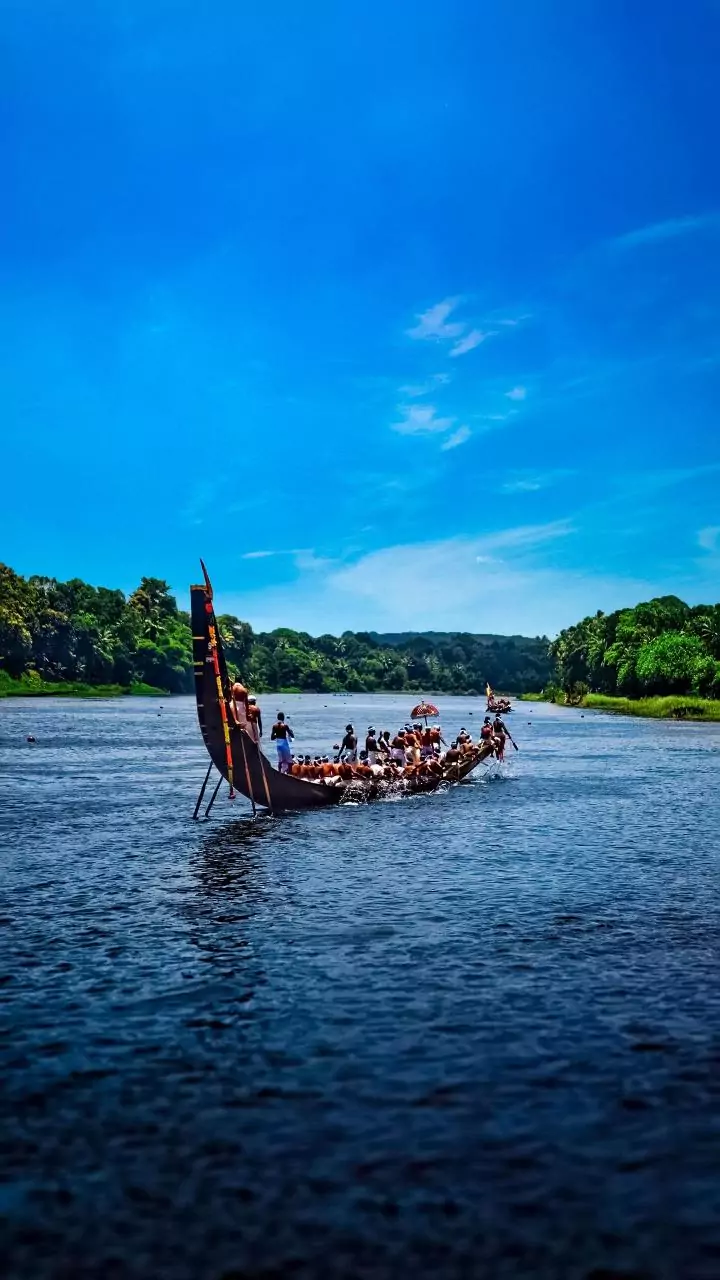
For years, a trip to Kerala was defined by iconic images of houseboats on tranquil backwaters and sprawling tea plantations. While these remain powerful draws, the state is consciously shifting its focus toward a more profound and sustainable model. This
evolution is championed by Kerala's Responsible Tourism (RT) Mission, a globally recognized initiative designed to make tourism more people-centric. The goal is to move beyond transactional sightseeing and foster meaningful travel experiences that benefit visitors and host communities alike. Instead of just observing from a distance, travelers are now invited to participate in village life, learn traditional crafts, and understand the local ecosystem from those who know it best. This approach addresses the challenges of mass tourism, such as environmental pressure and economic inequality, by placing local communities at the heart of the experience.
The Economic Power of a Local Welcome
When you choose a homestay over a large hotel or hire a local guide, your money does more than just pay for a service. It becomes a direct investment in the local economy. This model ensures that tourism revenue stays within the community, supporting families, funding local schools, and enabling small-scale entrepreneurs to thrive. Initiatives under the RT Mission actively connect tourism businesses with local farmers, artisans, and producers, creating a self-sustaining ecosystem. In places like Kumarakom, which has become a celebrated success story, this approach has empowered hundreds of families, particularly women, who run homestays, catering units, and craft cooperatives. This creates a powerful incentive for communities to preserve the very culture and environment that attracts visitors in the first place.
Guardians of Culture and Authentic Stories
Local hosts are more than just providers of accommodation; they are storytellers, cultural ambassadors, and guardians of heritage. They offer a window into a way of life that cannot be found in a guidebook. Staying in a traditional 'tharavadu' home, you don’t just see old-world architecture; you experience the warmth of family life. Learning to cook a Sadya (a traditional feast) with a local family teaches you the meaning behind each dish served on a banana leaf. These hosts preserve traditions—from the intricate steps of a Kathakali performance to the delicate art of coir weaving—by sharing them with genuine enthusiasm. This direct interaction ensures cultural practices remain living, breathing traditions rather than commercialized performances for tourists.
The Personal Touch in an Impersonal World
In an age of standardized travel, the desire for genuine human connection has never been stronger. Local hosts in Kerala fulfill this need by offering personalized hospitality that a corporate chain rarely can. A homestay owner might share a cup of tea while recounting family history, a local guide might take you to a hidden waterfall not on any map, or an artisan might spend an afternoon teaching you the basics of their craft. These unscripted, personal moments are what transform a good holiday into an unforgettable one. They create a richer, more emotionally engaging travel experience, aligning with a growing global trend where travelers seek immersive journeys over cookie-cutter itineraries. It’s a slower, more mindful way to travel that allows for discovery and genuine connection.