







More Than Just a Ranking
The Travel & Tourism Development Index isn't a simple popularity contest measuring which country gets the most visitors. Instead, it assesses the fundamental conditions that allow a nation's tourism sector to thrive sustainably and resiliently. The World
Economic Forum (WEF) evaluates 110 economies across 17 pillars, including infrastructure, safety, cultural resources, and sustainability. Japan’s top placement, moving up from third in 2024, signals a deep-seated strength in the factors that create a world-class travel environment. It highlights a combination of modern efficiency and rich cultural depth that few other destinations can match.
A Foundation of World-Class Infrastructure
A key reason for Japan's high score is its unparalleled infrastructure. The country is renowned for a public transportation system that is a model of punctuality, cleanliness, and efficiency. The Shinkansen, or bullet train, is a global icon of high-speed rail, seamlessly connecting major cities and allowing travellers to cover vast distances with ease and comfort. Beyond the rails, Japan's network of airports, local trains, and buses is meticulously maintained and reliable. This web of connectivity means visitors can spend less time worrying about logistics and more time experiencing the country, whether navigating the sprawling metropolis of Tokyo or exploring remote villages. This foundation of smooth travel is a cornerstone of its top ranking.
An Abundance of Cultural and Natural Resources
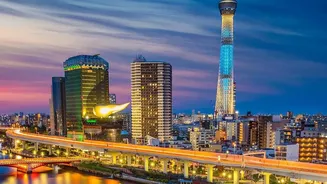
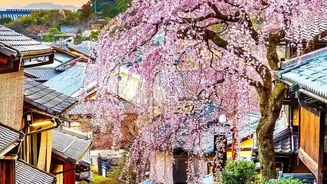
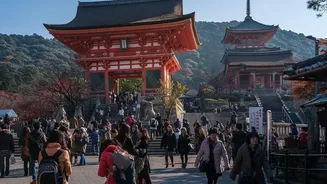
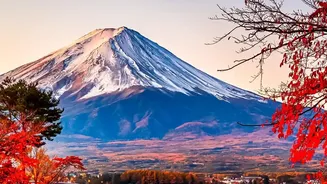
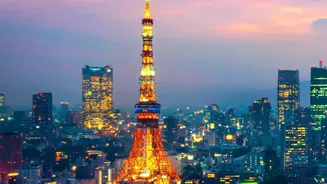
Japan’s appeal is deeply rooted in its unique blend of ancient tradition and futuristic modernity. The WEF report specifically highlights the country's strong cultural resources as a major contributor to its ranking. Visitors can immerse themselves in history at ancient temples and shrines in Kyoto and Nara, participate in a traditional tea ceremony, or stay in a classic 'ryokan' inn. At the same time, cities like Tokyo offer hyper-modern experiences, from robot cafes to dazzling neon-lit streetscapes. This cultural richness is matched by a stunning diversity of natural landscapes. Over two-thirds of Japan is covered in forested mountains. From the snowy drift ice of Hokkaido in the north to the subtropical mangrove jungles of Okinawa in the south, the archipelago offers a vast range of natural wonders, including majestic volcanoes like Mount Fuji, scenic gorges, and pristine national parks.
Safety, Hygiene, and Strategic Growth
Japan consistently ranks as one of the safest countries in the world, with exceptionally low crime rates that provide peace of mind for solo travellers and families alike. This sense of security is complemented by famously high standards of cleanliness, visible everywhere from city streets to public transport. Beyond these inherent qualities, Japan has also earned its top spot through smart strategy. The WEF noted the country's progress in encouraging visitors to travel beyond major hubs like Tokyo and Kyoto. This effort to disperse tourism helps combat overcrowding in popular spots and spreads the economic benefits more equitably across different regions, demonstrating a commitment to sustainable, long-term growth.