






The Biological Reality of the 'Flat Stomach'
The pursuit of a perfectly flat stomach is often a battle against biology, not a measure of your discipline. For many, factors like genetics, hormones, and age play a significant role in where the body stores fat. Research shows that genes can influence
fat distribution patterns, predisposing some individuals to carry more weight around their midsection. Hormonal changes, particularly during perimenopause and menopause, can cause a shift in fat storage to the abdomen, even without overall weight gain. Moreover, our abdomens house vital organs, and a completely flat, rigid core isn't necessarily a natural or healthy state. Chasing an aesthetic that is at odds with your genetic makeup or life stage is a recipe for frustration and can overshadow the real markers of health and fitness.
The True, Powerful Benefits of Core Strength
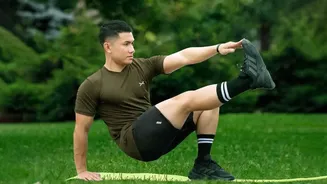
When we uncouple core work from the narrow goal of a six-pack, we discover its true purpose. A strong core is the foundation for nearly every movement you make. It’s not about looking a certain way, but about functional strength that enhances your quality of life. A robust core—which includes muscles in your back, pelvis, and hips, not just your abs—improves your posture, enhances balance, and dramatically reduces the risk of lower back pain. Whether you're lifting groceries, carrying a child, or simply sitting at a desk, your core muscles provide the stability you need to move efficiently and safely. This functional power is a far more rewarding and tangible benefit than any purely aesthetic goal.
When Fitness Goals Become a Source of Shame
The fitness industry often uses shame, intentionally or not, as a marketing tool. By presenting a flat stomach as the benchmark of success, it creates a culture where anything less feels like failure. This can lead to body shaming, which has been proven to be counterproductive. Studies show that being treated unfairly due to weight is associated with more unhealthy eating, less exercise, and increased stress. When you don't see the 'promised' aesthetic results despite your efforts, it can lead to feelings of shame, anxiety, and a toxic relationship with exercise. This cycle of shame can ultimately lead to giving up on fitness altogether, depriving you of the mental and physical health benefits that come from moving your body.
Reframing Success: From Looks to Performance
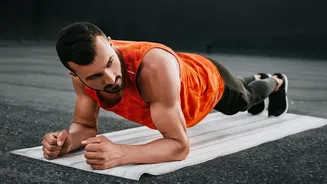
The key to a sustainable and joyful fitness journey is to redefine your metrics for success. Instead of focusing on a number on the scale or the flatness of your stomach, shift your goals toward performance and feeling. Make your objective to hold a plank for 10 seconds longer, to lift a slightly heavier weight with good form, or to complete a workout feeling energized rather than depleted. These are specific, measurable, and achievable goals that build confidence and momentum. When you start celebrating what your body can do rather than just how it looks, you build a healthier, more resilient relationship with fitness. This approach prioritizes consistency over perfection and internal validation over external approval, creating a foundation for lifelong health.