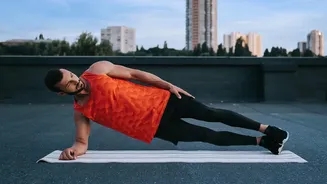






What is the Reverse Plank?
While the traditional plank has you facing the floor, targeting the front of your body, the reverse plank, as the name suggests, has you facing the ceiling. This seemingly simple shift changes the entire dynamic of the exercise. It’s an isometric hold
that primarily targets your posterior chain—the network of muscles on the backside of your body, including your glutes, hamstrings, and lower back. By engaging these often-neglected muscles, the reverse plank provides a counterbalance to the forward-leaning posture many of us adopt from sitting at desks and looking at screens.
How to Perform a Reverse Plank Correctly
Proper form is crucial to reap the benefits and avoid strain. Follow these steps to master the move: 1. Start by sitting on the floor with your legs extended straight out in front of you. 2. Place your hands on the floor slightly behind and outside your hips, with your fingertips pointing towards your feet. 3. Press into your palms and heels, engage your core, and lift your hips off the ground. 4. Squeeze your glutes and hamstrings to raise your body until it forms a straight line from your heels to your shoulders. 5. Keep your arms and legs straight, your core tight, and allow your head to fall back gently, keeping your neck in line with your spine. Your gaze should be toward the ceiling. Aim to hold this position for 15-30 seconds initially, gradually working your way up to 60 seconds or more as you build strength.
The Posture-Correcting Powerhouse
Many of us spend hours a day slouching, which shortens chest muscles and weakens the upper back. The reverse plank directly counters this by opening up the chest and strengthening the muscles that support your spine and shoulders, including the deltoids and erector spinae. This helps pull your shoulders back and down, promoting a more upright and balanced posture. Regularly practicing this exercise can help reduce the chronic back, shoulder, and neck strain associated with poor posture, making it a powerful tool for anyone stuck at a desk all day.
Strengthening Glutes and Abs Simultaneously
The reverse plank is a remarkably efficient exercise because it is a true full-body movement. The primary force lifting your hips comes from a powerful contraction of your glute muscles—the gluteus maximus, medius, and minimus. This is essential for building lower body strength and stability. At the same time, your abdominal muscles (rectus abdominis and obliques) must work hard to keep your torso stable and prevent your hips from sagging. This dual engagement means you're strengthening both the front and back of your core, leading to better overall stability and a more balanced physique.
Common Mistakes to Avoid
To get the most out of your reverse plank, watch out for these common errors: Sagging Hips: This is the most frequent mistake. If your hips drop, you lose engagement in the glutes and core, placing stress on your lower back. If you can't keep your hips up, lower yourself down, rest, and try again for a shorter hold. Hyperextending the Back: Pushing your hips too high can create an unnecessary arch in your lower back, which can cause strain. Focus on a straight line from shoulders to heels. Dipping Shoulders or Straining the Neck: Keep your chest open and shoulders pulled back. Avoid letting your head hang back completely; it should be in a comfortable, neutral position aligned with your spine. Wobbly Arms: If your arms are shaking, it could be a sign of insufficient arm strength or improper hand placement. Ensure your hands are directly under your shoulders to create a stable base.
Modifications for Every Fitness Level
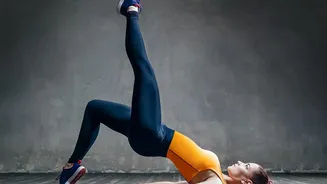
The reverse plank can be adapted to suit your current strength level. For Beginners: Start with the reverse tabletop position. Sit with knees bent and feet flat on the floor, then lift your hips. This reduces the lever length and makes the hold more manageable. You can also perform the exercise with your forearms on the floor instead of your hands to increase stability. For Advanced Movers: To increase the challenge, try a single-leg reverse plank. From the standard position, lift one leg a few inches off the floor while keeping your hips level. This dramatically increases the demand on your core and stabilizer muscles. You can also add alternating leg lifts for a dynamic challenge.