



The Overture: A Humble Batter
The story of appam begins not with a bang, but with a quiet soaking of rice. The batter is deceptively simple: primarily raw rice and coconut, ground into a smooth, flowing liquid. But its true magic lies in fermentation. Traditionally, a touch of toddy
(palm wine) would be used to kickstart the process, lending a distinctive, faintly sour tang. Today, yeast often plays this role, but the goal is the same: to let time and natural processes work their magic, filling the batter with tiny bubbles and a complex, layered flavour that water and flour alone could never achieve. This patient, overnight transformation is the quiet first act, setting the stage for the drama to come.
The Stage is Set: The Appachatti
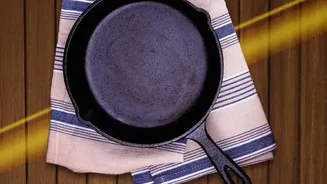
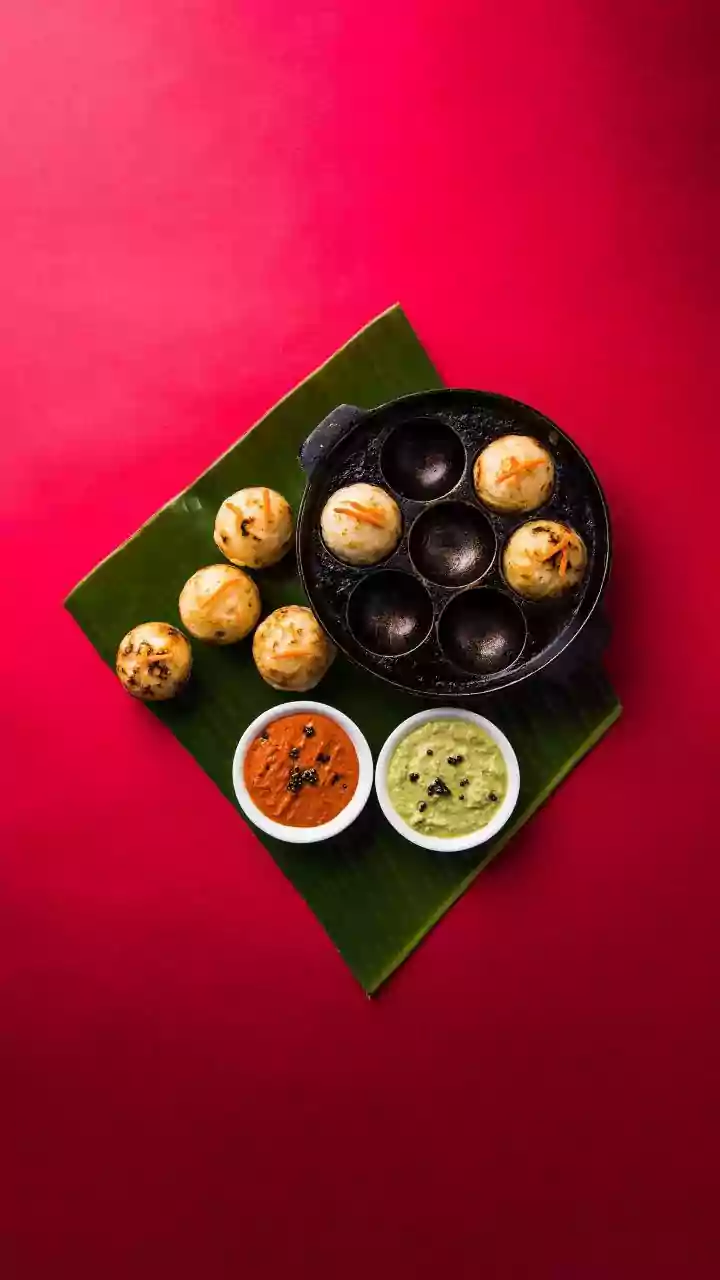
Every great performance needs a dedicated stage, and for the appam, this is the ‘appachatti’. It is a small, deep, wok-like pan, the very shape of which is essential to the final creation. This isn't a flat griddle or a generic frying pan; its steep, curved sides are specifically designed to create the appam’s signature form. When the hot pan meets the cool batter, it’s the beginning of the action. The heat needs to be just right—hot enough to sizzle and set the edges instantly, but not so hot that the batter can't be gracefully swirled. This special vessel, often passed down through generations, is the silent partner in this culinary duet.
Act One: The Dramatic Swirl
This is the moment of theatre. A ladleful of the fermented, bubbly batter is poured directly into the centre of the hot appachatti. Immediately, the cook lifts the pan by its handles and, with a confident and practised wrist, performs a swift, circular swirl. The batter climbs the high walls of the pan, clinging to the sides in a thin, translucent layer while a thicker pool settles back in the centre. This single, fluid motion is what creates the appam's iconic dual texture. It is a moment of pure craft, a dance between gravity and heat that lasts only a few seconds but determines the entire outcome. The pan is then covered, trapping steam to cook the soft centre to perfection.
The Grand Reveal: Lace and Pillows
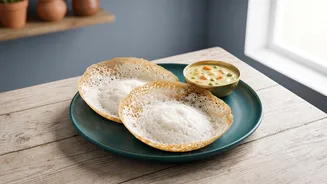
After a couple of minutes under the lid, the appam is revealed. The edges have transformed into a delicate, crispy, golden-brown lattice, so fine it’s almost transparent. This crunchy fringe gives way to a soft, pillowy, and spongy centre that is snow-white and perforated with tiny air pockets from the fermentation. The contrast is spectacular: the crispiness of the lace-like border against the soft, slightly chewy middle. The aroma is a gentle blend of fermented rice and sweet coconut. It’s not just a pancake; it’s a study in contrasts, a perfect balance of textures and flavours born from that single, dramatic swirl.
The Supporting Cast: Perfect Pairings
An appam rarely takes the stage alone. It is most often served with a 'supporting cast' of flavourful accompaniments. A classic pairing is a mild and fragrant vegetable stew, known as 'ishtu', made with coconut milk. Another popular choice is 'kadala curry', a robust dish of black chickpeas in a spiced coconut gravy. For non-vegetarians, a spicy egg roast or a gentle chicken curry beautifully complements the appam's subtle sweetness. Even at its simplest, served with sweetened coconut milk, the appam shines, its unique texture soaking up the flavours of whatever it's served with.