




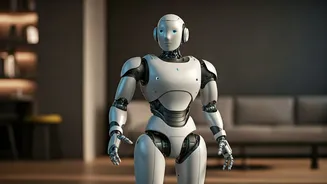


Meet the Humanoid in the Room
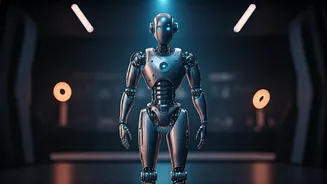
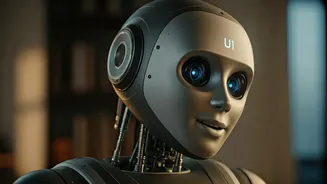
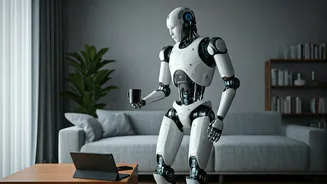
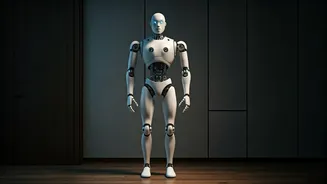
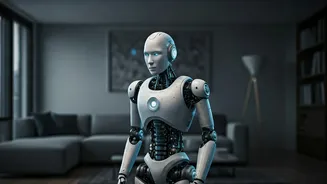
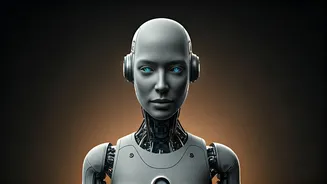
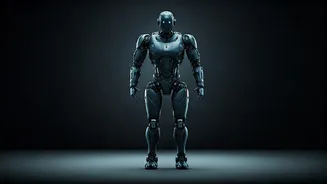
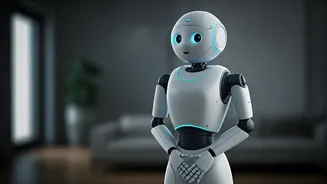
Chinese robotics firm UBTech has unveiled the UWORLD U1, a hyper-realistic humanoid robot designed not for a factory floor, but for a living room. Created as a companion, the U1 comes in male and female versions, standing 183 cm and 168 cm tall respectively.
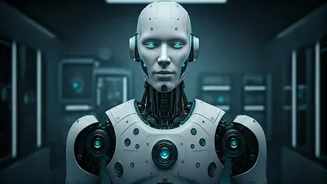
Covered in a lifelike silicone exterior, it boasts 88 joints for smooth, human-like movements and is capable of holding conversations, maintaining eye contact, and even recognizing user emotions. The company’s goal is to move beyond industrial automation and create a machine that offers emotional support and companionship, with potential applications in elder care and for adults living alone.
The Promise of Local Data
The most significant feature of the U1 is not its lifelike appearance, but where it stores its brain. Unlike many smart devices that constantly send voice and interaction data to the cloud for processing, the U1’s emotional AI runs locally on an onboard processor. This means all your conversations, personal details, and memories shared with the robot remain stored and encrypted on the device itself. UBTech calls this a “three-layer privacy architecture,” built around local-first processing and minimal dependency on the cloud. In an era where a simple smart speaker can create a detailed profile of its user for advertisers, this privacy-first approach is a major selling point for consumers wary of constant digital surveillance.
An Emotional Connection Engine
The U1 is being marketed as more than just a walking, talking computer; it is positioned as an emotional companion. UBTech claims the robot's advanced AI can analyze tone of voice and facial expressions to identify over 20 emotional states with high accuracy, though these claims await independent verification. The system is designed to adapt its behavior over time, becoming a better companion by remembering personal details from past conversations. Some versions may even offer features like 3D facial reconstruction and voice replication for highly personalized interactions, raising new questions about consent and psychological impact. The robot is being sold exclusively to adults, underscoring its intended use case for companionship rather than as a toy.
The High Cost of Companionship
This glimpse into the future of robotics comes with a significant price tag. The U1 is not a mass-market gadget. The series is available in three versions—Lite, Pro, and Ultra—with prices starting around the equivalent of ₹14 lakh and soaring to over ₹1 crore for the most advanced models. Despite the steep cost, early demand appears strong, with the company reporting thousands of reservations shortly after its launch at the end of June 2026. This positions the U1 firmly in the premium market, accessible only to wealthy individuals or institutions exploring assistive technology. The high price reflects the complexity of its manufacturing, from its 88 high-freedom joints to the manually implanted eyebrows and eyelashes that add to its realism.
A Glimpse of the Future for India?
While UBTech is making waves globally, the trend toward humanoid robots is also gaining traction closer to home. Noida-based and Reliance-backed firm Addverb is developing its own two-legged humanoid robot, with plans for a commercial launch by the end of 2026. Initially targeting industrial and warehouse automation, Addverb sees long-term opportunities in elder care and home assistance, similar to the vision for the U1. The development highlights a global shift in robotics, moving from single-task machines to versatile, intelligent platforms. The key challenge, as acknowledged by Addverb, is building out the local supply chain for advanced components. For now, the arrival of privacy-focused robots like the U1 serves as a benchmark for what could be coming next, challenging tech companies everywhere to rethink the relationship between utility and privacy.