







Meet the New Explorers on the Block
They come from cities like Lucknow, Indore, Coimbatore, and Bhubaneswar. For years, the story of Indian travel was dictated by the metros. But now, the fastest growth in the travel industry is being driven by residents of Tier-2 cities. Fuelled by rising
disposable incomes, better digital connectivity, and a strong aspiration for new experiences, this demographic is venturing out like never before. Unlike the time-crunched metro traveller, their focus is often on exploring, leisure, and experience-led journeys, from weekend getaways to cultural and pilgrimage trips. Reports show that spending on travel in Tier-2 and Tier-3 locations has more than doubled, signalling that the desire to explore is no longer confined to major urban centres.
Why the Road Is the New Destination
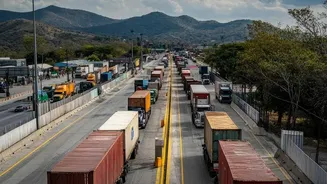
Several factors are converging to make road travel the preferred choice. The most significant driver is India's rapidly expanding and improving highway network. Smoother roads and faster travel times are making destinations that were once a tough journey now easily accessible for a weekend trip. This infrastructure boom is paired with a cultural shift. The pandemic instilled a preference for the safety and flexibility of personal vehicles, and the habit has stuck. Add to this the rise of 'workcations' and the influence of social media, where stunning, offbeat road trip pictures have become the new status symbol, influencing where 60% of people decide to travel. Ride-hailing services have also made intercity travel more accessible and reliable, with features like round-trip bookings and 24/7 safety lines encouraging more people to hit the road.
Charting the New Corridors
While the high-traffic corridors of Mumbai-Pune, Delhi-Agra, and Bengaluru-Mysuru remain the busiest, the fastest-growing routes tell a new story. The real action is happening on regional routes that connect Tier-2 cities to each other and to leisure destinations. Corridors like Ahmedabad-Vadodara, Delhi-Dehradun, and Chennai-Puducherry are seeing a huge spike in traffic. Data shows emerging travel patterns between city pairs like Thrissur-Kochi and Ranchi-Jamshedpur. Travellers from Bengaluru are heading to Nandi Hills and Mandya, while those in Pune are exploring Ahmednagar and Satara. Heritage and pilgrimage spots like Ajmer, Udaipur, and Prayagraj are also seeing consistent demand from road travellers. This shift is moving the focus beyond the Golden Quadrilateral to a more distributed and diverse travel map.
The Economic Ripple Effect
This trend is more than just a travel story; it's a narrative of economic decentralisation. As these new tourists arrive, they bring a welcome economic boost to smaller towns and previously overlooked destinations. This burgeoning 'micro-tourism' supports local economies in a sustainable way. The demand for homestays, boutique hotels, and authentic local experiences is on the rise, creating new opportunities for entrepreneurs outside the big cities. Cafes, souvenir shops, and local guides in places like Maheshwar in Madhya Pradesh or the smaller towns in the Sahyadris are finding a new clientele. This influx is creating a virtuous cycle: as destinations gain popularity through word-of-mouth and social media, they attract more investment in hospitality and infrastructure, further solidifying their place on India's new travel map.