






A Once-in-a-Dozen-Year Miracle
Imagine a flower that waits 12 years for a single, glorious bloom before its life cycle ends. That is the story of Neelakurinji, or Strobilanthes kunthiana, a shrub endemic to the high-altitude shola grasslands of the Western Ghats. This isn't just a single plant
flowering; it's a synchronized, mass event known as gregarious flowering, where millions of plants bloom in unison across entire hillsides. This rare strategy, called masting, is a marvel of evolution. The plant is monocarpic, meaning it flowers, sets seed, and then dies. This long, patient wait is believed to be a survival tactic. By flowering so infrequently, the plant starves seed predators for years. When the bloom finally occurs, the sheer volume of seeds overwhelms the few predators that remain, ensuring enough seeds survive to start the next 12-year cycle.
The Hills Come Alive with Colour
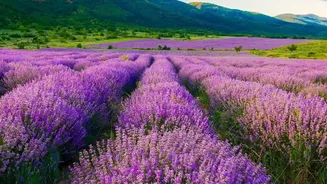
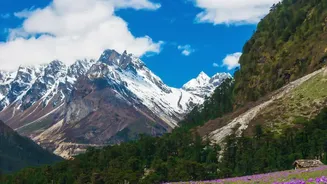
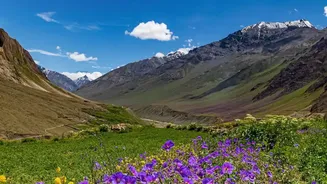
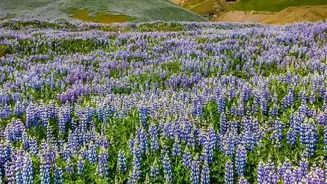
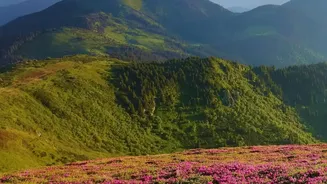
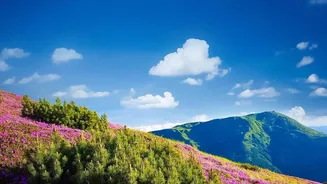
From August to October 2026, the rolling hills around Munnar in Kerala are transforming into a surreal purple-blue carpet. Key viewing areas like Eravikulam National Park, home to the endangered Nilgiri Tahr, offer some of the most stunning vistas. Visitors can also witness the bloom at Top Station and on the slopes of Chokramudi, where the vibrant flowers create a stunning contrast against the lush green of the tea plantations. The name 'Nilgiri', which translates to 'Blue Mountains', is itself believed to have been inspired by the periodic blue haze cast by these very flowers during their bloom cycle. It’s a visual feast that attracts nature lovers, photographers, and travellers from across the globe, all hoping to witness a spectacle that won't return until 2038.
An Ecological and Cultural Keystone
The Neelakurinji bloom is far more than just a beautiful event; it is a vital part of the Shola ecosystem. The mass flowering provides a sudden abundance of nectar, supporting a huge influx of pollinators like honeybees and butterflies. This leads to the production of a rare, sought-after 'Kurinji honey,' prized for its unique flavour. Culturally, the flower is deeply woven into the heritage of the region. For the local Paliyan and Muthuvan tribal communities, the 12-year cycle has traditionally been used as a way to calculate their age. The flower also holds a special place in classical Tamil Sangam literature, where 'Kurinji' refers not just to the flower but to the mountainous landscape it inhabits, often symbolising love and the passage of time.
The Bloom in a Changing World
In 2026, witnessing the Neelakurinji carries a new weight of significance. The fragile montane grasslands where this shrub grows are under severe threat. In recent years, an estimated 40% of its habitat has been lost to tea plantations, infrastructure projects, and the spread of invasive species. Climate change also poses a serious risk, as shifting rainfall and temperature patterns can disrupt the delicate biological clock that governs the 12-year bloom. In a telling move, the International Union for Conservation of Nature (IUCN) recently listed Strobilanthes kunthiana as a Vulnerable species, highlighting the urgent need for conservation. This year's bloom, therefore, is not just a celebration but also a poignant reminder of the delicate balance of this unique ecosystem and our responsibility to protect it.