




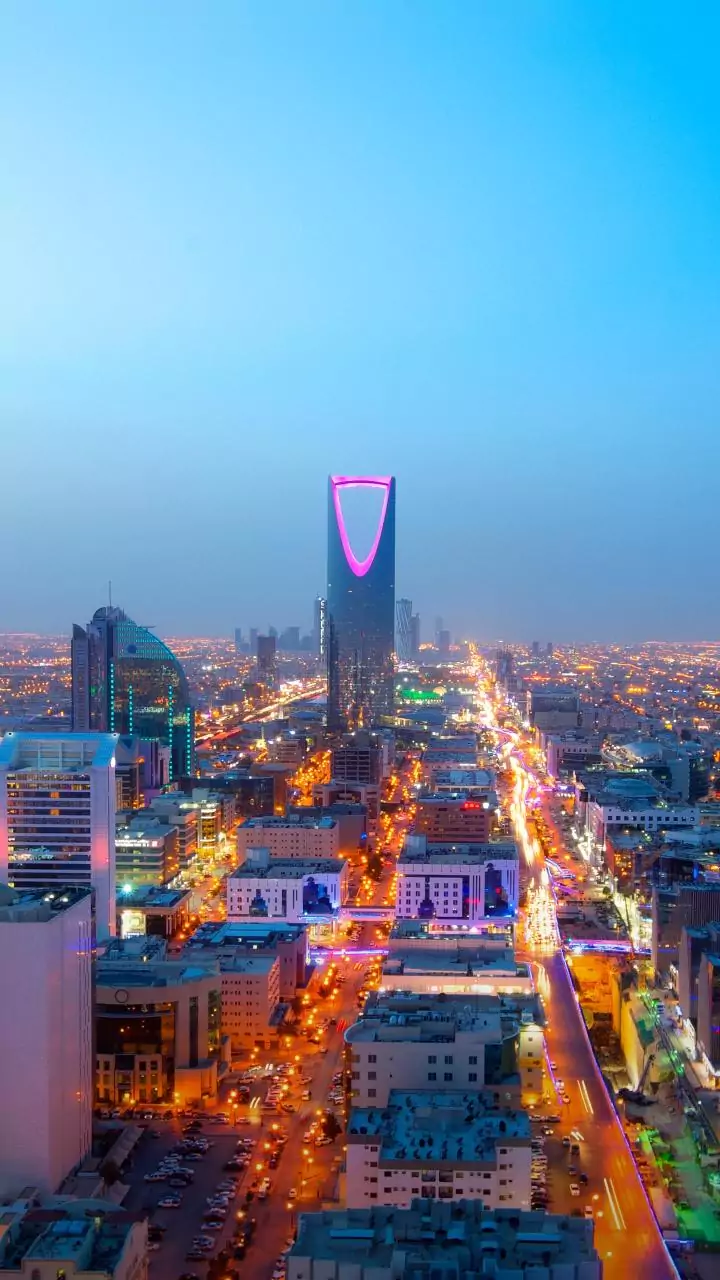
Saudi Arabia, the world's oil juggernaut, is making a significant move in Asia. A proposed deal to store its crude oil in Singapore signals a major strategic pivot, but what is driving it? The answer lies in the heart of Southeast Asia.
Singapore: Asia's Energy Crossroads
Singapore's power
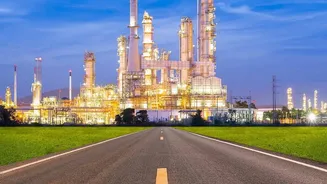
in the global energy market has never come from its own resources—it has none. Instead, its dominance stems from its strategic location, world-class infrastructure, and status as a financial hub. Positioned at the mouth of the Strait of Malacca, a critical chokepoint for global trade, Singapore is home to one of the world's top three oil refining and trading centres. It serves as a massive hub where large cargoes of crude from the Middle East are received, processed, and redistributed across Asia. For any global energy player, having a foothold in Singapore is not just advantageous; it's essential for controlling supply chains in the world's fastest-growing energy market.
The Shifting Tides of Regional Supply
A key factor driving Saudi Arabia's interest is the fundamental shift occurring within Southeast Asia's own energy profile. Historically, nations like Malaysia and Indonesia were significant oil exporters. However, their domestic production is now in decline. Malaysia's output is projected to drop in the coming years, and while Indonesia is investing heavily to boost production, it faces major challenges. At the same time, regional demand for energy remains robust, driven by economic growth. This has created a crucial turning point: Southeast Asia is transitioning into a region of net importers, requiring about 3 million barrels of imported oil per day to meet its needs. This growing demand gap presents a massive, long-term opportunity for a supplier like Saudi Arabia.
A Strategic Play for Market Dominance
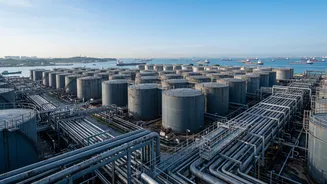
Saudi Aramco, the kingdom's state-owned energy giant, has a clear 'Look East' strategy, aiming to secure and expand its market share across Asia. The proposed Singapore storage deal, announced during Singapore International Energy Week, is a direct execution of this plan. By storing crude oil locally at the Jurong Rock Caverns, Saudi Arabia can offer its Asian customers greater flexibility and significantly shorter delivery times. This arrangement acts as a buffer against supply chain disruptions, whether from geopolitical tensions or shipping delays, enhancing the reliability of its supply. It's a move to embed Saudi supply directly into the regional infrastructure, making it the most convenient and secure option for buyers.
Fending Off Fierce Competition
Saudi Arabia is not operating in a vacuum. The Asian market is a battleground for major oil producers. Russia has been aggressively marketing its discounted crude in the region, while other Middle Eastern producers like the UAE and Iraq are also competing for buyers. This intense competition is forcing producers to offer more attractive terms. By establishing a physical presence in Singapore, Saudi Arabia gains a competitive edge. It can respond faster to market changes and customer needs, a crucial advantage when refiners are choosing between multiple suppliers. This deal isn't just about logistics; it's a strategic manoeuvre to defend its market leadership against rivals.
A Partnership for Energy Security
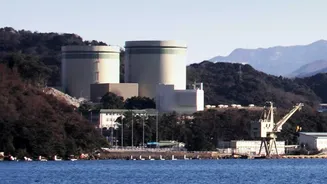
The deal is mutually beneficial. For Singapore, which is heavily reliant on energy imports, hosting a strategic reserve of Saudi crude enhances its own energy security. For Saudi Arabia, it is the latest step in building a network of overseas storage, with similar arrangements already in place in Japan and South Korea. This network allows Aramco to be closer to its key customers and better manage global market volatility. The plan, expected to be operational by the second half of 2027, reinforces the interdependence between Middle Eastern producers and Asian consumers, shaping the region's energy landscape for years to come.