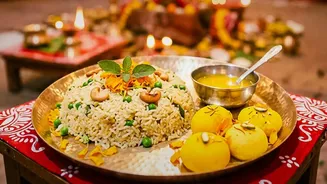







Karwa Chauth is a cherished tradition of devotion, love, and sacrifice. On October 29, 2026, married women will observe this fast. But the rigorous 'nirjala' fast, without food or water, requires caution for those with health conditions.
The Crucial Role of a Healthy Sargi
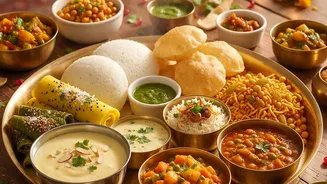
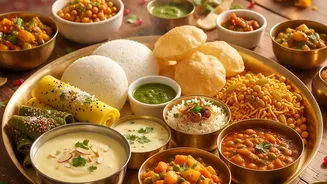
Sargi, the pre-dawn
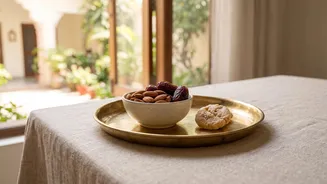
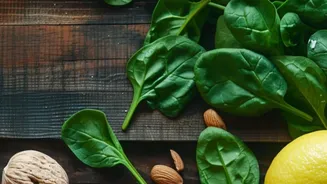
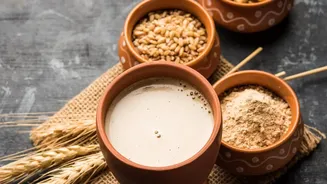
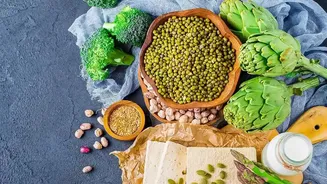
meal, is more than just a ritual; it is the fuel that sustains the body for the entire day. A well-planned sargi is essential for anyone fasting, but it is especially critical for maintaining energy and avoiding complications like acidity, headaches, and dizziness. A balanced meal should include complex carbohydrates for slow-release energy, protein to keep you full, and hydrating foods. Foods like whole-grain parathas, paneer, fruits, and nuts are excellent choices. It's also vital to hydrate well before the fast begins, sipping water until sunrise. Avoiding overly sweet, salty, or fried foods can prevent thirst and energy crashes later in the day.
Fasting with Diabetes: A Doctor's Guidance is Key
For women with diabetes, observing a strict nirjala fast can be risky. Prolonged hours without food can lead to hypoglycemia (dangerously low blood sugar), while the meal after breaking the fast can cause a sudden spike, known as hyperglycemia. Symptoms of low blood sugar, such as dizziness, sweating, or confusion, should never be ignored and require breaking the fast immediately. It is absolutely essential to consult a doctor before deciding to fast. A physician can help adjust medication dosages and timings, advise on what kind of modified fast is safe, and create a plan for monitoring blood sugar levels throughout the day. Women with Type 1 diabetes, uncontrolled Type 2 diabetes, or those who are pregnant are often strongly advised against fasting.
Pregnancy and Breastfeeding: Prioritising Two Lives
Pregnancy is a time when the body requires consistent nutrition and hydration for both the mother and the developing baby. Medical experts widely agree that a nirjala fast is not recommended during pregnancy. Dehydration can lead to complications, and a lack of nutrients can affect the baby's development. Similarly, breastfeeding mothers need adequate fluids and calories to maintain their milk supply and their own health. If you are pregnant or nursing, it is crucial to speak with your gynaecologist. They can assess your individual health and may suggest a modified fast, such as one that includes water, milk, and fruits, allowing you to observe the spirit of the ritual safely.
Managing Blood Pressure and Heart Conditions
Individuals with hypertension (high blood pressure) or pre_existing heart conditions should approach the Karwa Chauth fast with extreme caution. Dehydration from a waterless fast can reduce blood volume, causing fluctuations in blood pressure and putting extra strain on the heart. It can also thicken the blood, increasing other risks. Skipping meals can interfere with the effectiveness of daily medications. Consulting a doctor is non_negotiable. They can advise if fasting is safe at all and suggest important precautions, such as not skipping medication, monitoring blood pressure during the day, and avoiding stress.
Finding a Safe Way to Celebrate
Beyond these specific conditions, anyone with a chronic illness, such as kidney disease or severe gastrointestinal issues, or those on time-'sensitive medications,' should seek medical advice. The essence of Karwa Chauth is prayer and devotion,' which can be expressed in many ways.' If a strict nirjala fast is deemed unsafe,' there are meaningful alternatives.' Observing a modified fast with fruits and liquids,' performing the puja rituals without fasting,' or dedicating the day to prayer and reflection are all valid ways to honour the tradition.' Faith and health do not have to be at odds;' a responsible approach ensures you can celebrate the festival with joy and peace of mind.'