





What Exactly is Changing?
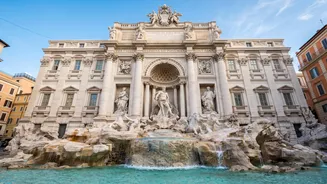
Since early 2026, visitors to the Trevi Fountain must pay a two-euro fee to access the lower inner area, the section of steps leading directly to the basin's edge. This is the prime spot for taking photos and participating in the famous coin-toss tradition,
which legend says ensures your return to the Eternal City. It’s important to note that viewing the fountain from the surrounding piazza remains completely free. The fee is specifically for entering the newly controlled space at the water's edge. This ticketed system is generally in effect during peak hours, from morning until around 10 p.m. daily, after which access to the basin becomes free again. Residents of Rome, children under six, and visitors with disabilities are exempt from the charge.
A Price for Preservation
The introduction of the fee is not about profit, but preservation. Rome's city officials have framed the measure as a necessary step to manage the immense crowds that flock to the monument daily. In 2025 alone, over 10 million people visited the fountain, putting significant strain on the 18th-century structure. The constant crush of people not only diminishes the visitor experience but also poses a risk to the delicate Carrara marble and travertine stone. Incidents of tourists behaving badly, including climbing or even bathing in the fountain, have also spurred officials to seek better control. The revenue generated, estimated to be around €6.5 million annually, is earmarked for the fountain's maintenance and the upkeep of other cultural heritage sites across the city.
Part of a Bigger Trend
Rome is not alone in its struggle with 'overtourism'. This new fee places the city alongside other iconic European destinations that have implemented similar measures to protect their heritage. Venice famously introduced a day-tripper fee during peak seasons, and Rome itself began charging for entry to the Pantheon in 2023. These policies reflect a growing consensus that unchecked tourism can damage the very attractions people come to see. By asking visitors to contribute a small amount, cities hope to create a more sustainable model for tourism that balances accessibility with the responsibility of preservation. As one tourism official noted, many visitors are surprised the fee is so low, with some commenting that an attraction like the Trevi Fountain in another major global city might cost significantly more to access.
The Tourist Reaction
The response from tourists has been largely understanding. Many visitors seem to agree that two euros is a small price to pay to help preserve such a magnificent landmark for future generations. In fact, some have noted that the new, managed system makes for a more pleasant experience, with fewer crowds allowing for better photos and more time to appreciate the fountain's artistry without being jostled. However, the new system has had some unintended consequences. One report noted a decline in the number of coins being tossed into the fountain, which could impact the charity that receives the funds. For decades, the coins collected have been donated to Caritas, a Catholic charity supporting the city's poor, a tradition that officials have confirmed will continue.