



An Ice Island is Born
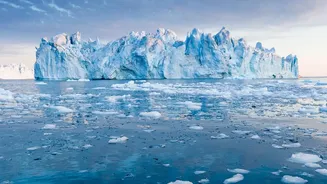
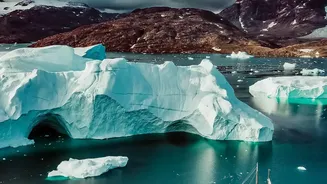
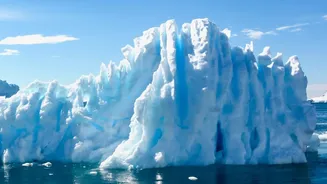
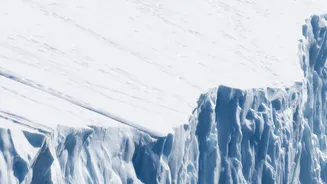
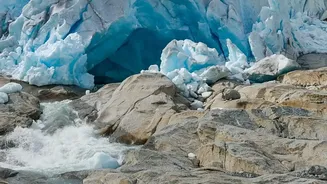
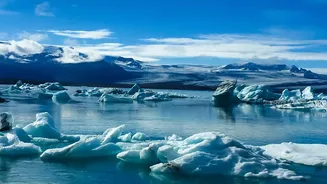
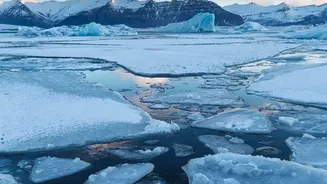
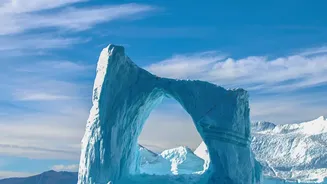
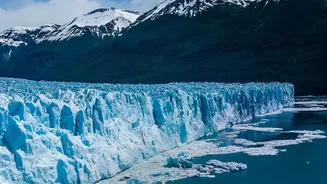
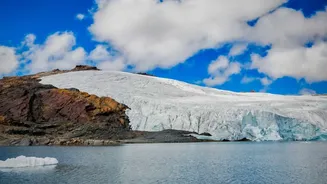
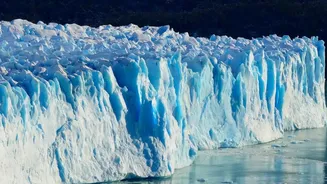
On August 4, 2026, satellite imagery confirmed that a massive 76-square-kilometre section of the Petermann Glacier's floating ice tongue had calved, or broken off. To put that in perspective, the new iceberg is roughly the size of Manhattan and is estimated
to be up to 150 metres thick. This was the glacier's most significant ice loss since 2012 and the largest single calving event in the Arctic since 2020. Scientists, who had been monitoring growing cracks in the glacier for years, anticipated the break, but its final, swift separation is a powerful reminder of how quickly these frozen landscapes can transform.
Why Is This Happening?
Glacier calving is a natural process where ice breaks from the edge of a glacier. However, the frequency and scale of these events have increased dramatically due to climate change. The Arctic is warming significantly faster than the rest of the planet. This has two major effects. Firstly, warmer air melts the glacier's surface. Secondly, and more critically, warming ocean currents are eating away at the ice from below. Warm water flowing beneath Greenland's massive ice tongues accelerates melting, destabilises the ice, and primes it for these colossal breaks. This combination of surface and subsurface melting is causing Greenland to lose ice seven times faster than it did just a few decades ago.
Greenland's Global Impact
What happens in Greenland does not stay in Greenland. The Greenland Ice Sheet is the second-largest reservoir of fresh water on Earth, and its health is directly tied to global sea levels. If it were to melt completely, scientists estimate it would raise global sea levels by over 7 metres, or about 23 feet. Currently, Greenland's melt is the single largest source of sea-level rise, responsible for about 0.8 millimetres each year—a rate that is increasing. The ice being lost isn't just from dramatic calving events. Scientists also speak of 'zombie ice'—ice that is already doomed to melt away regardless of future climate action, which has already committed the world to nearly a foot of sea-level rise from Greenland alone.
From the Arctic to India’s Coastline
A rise of millimetres per year may not sound like much, but it has profound consequences for coastal nations like India. With a 7,500-kilometre coastline and densely populated cities like Mumbai, Chennai, and Kolkata situated in low-lying areas, India is exceptionally vulnerable. Rising seas amplify the effects of storm surges, lead to more frequent and severe coastal flooding, and cause saltwater to intrude into freshwater sources, threatening agriculture. Reports indicate that about a third of India's coastline is already experiencing erosion, a problem directly exacerbated by rising sea levels. The distant rumble of a breaking glacier in Greenland is, in effect, a direct threat to the homes, infrastructure, and livelihoods of millions in India.
An Accelerating Trend
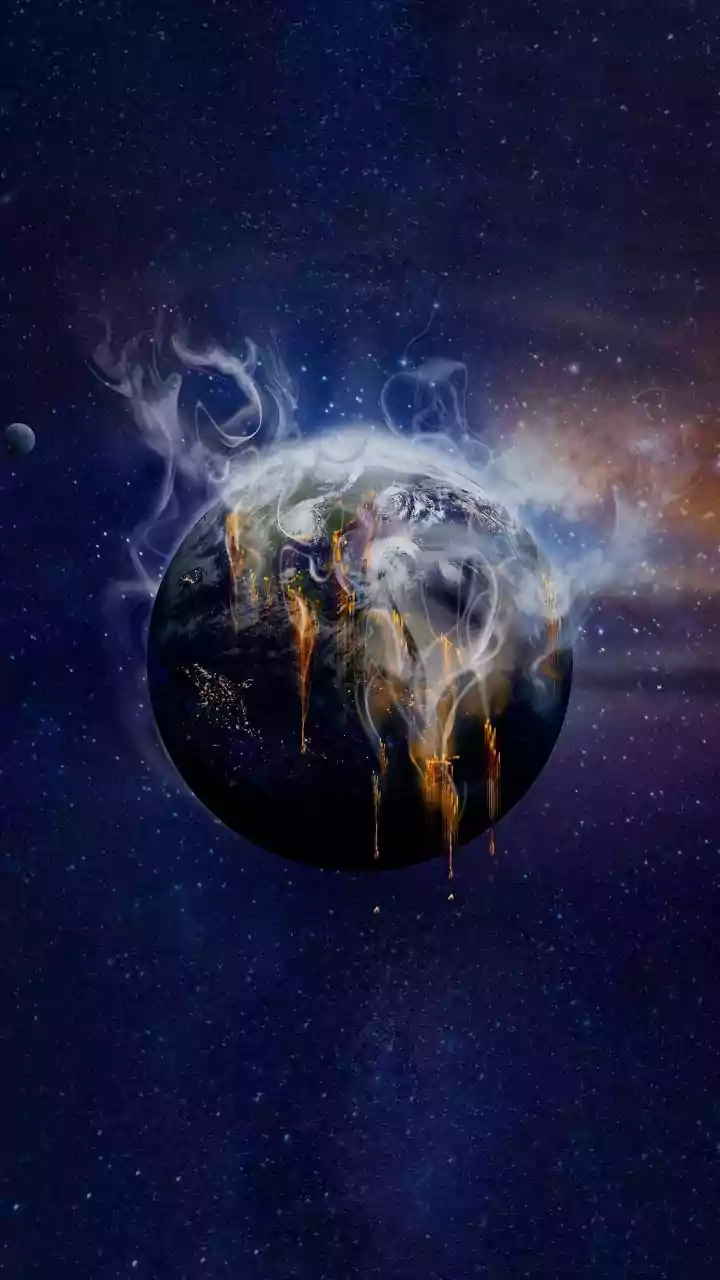
The Petermann Glacier break is not an isolated incident. It is a data point in a clear and disturbing trend of accelerated melting across the planet's cryosphere—its frozen regions. Scientists are constantly updating their models because the physical reality of ice loss is outpacing previous projections. The increased flow of meltwater through cracks and the destabilising effect of warming oceans create feedback loops that speed up the process even further. These events are no longer abstract predictions for the future; they are observable realities happening now, providing tangible evidence of a planet undergoing rapid and consequential change.