


An Identity Woven from Old and New
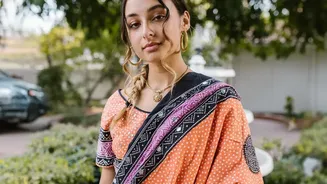
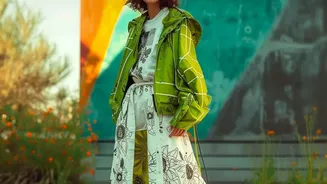
For India's Gen Z and millennial shoppers, festive dressing is no longer a choice between a Western outfit and a traditional one. Instead, it's about creating a third, more personal option. This trend isn't about rejecting heritage but reimagining it.
It's a confident expression of a hybrid identity, one that is proudly Indian and simultaneously fluent in global trends. In a world of fast fashion and fleeting aesthetics, young Indians are seeking authenticity and a connection to their roots, but on their own terms. They are choosing to wear their identity, and it's a look that is both deeply personal and culturally significant.
The Anatomy of the Twist
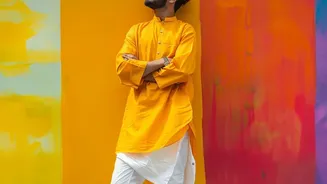
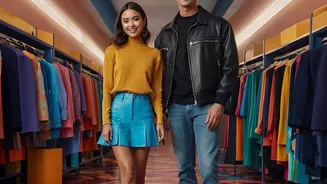
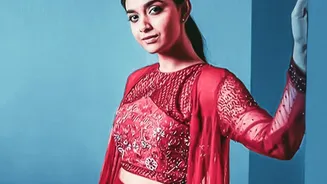
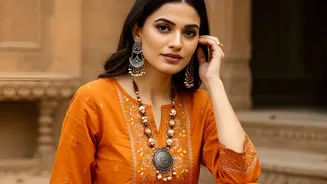
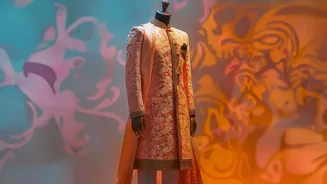
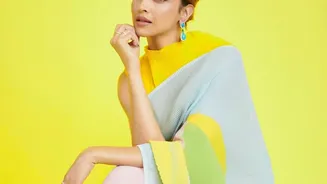
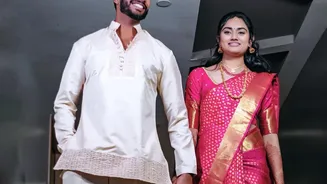
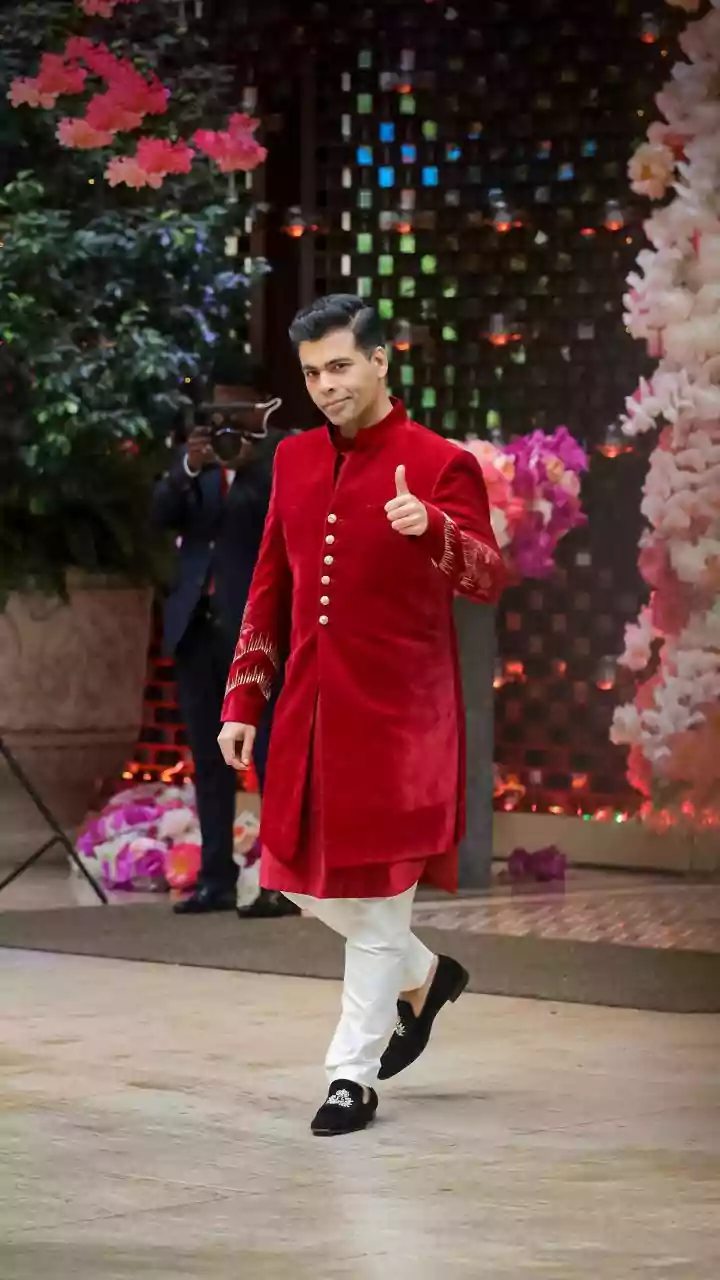
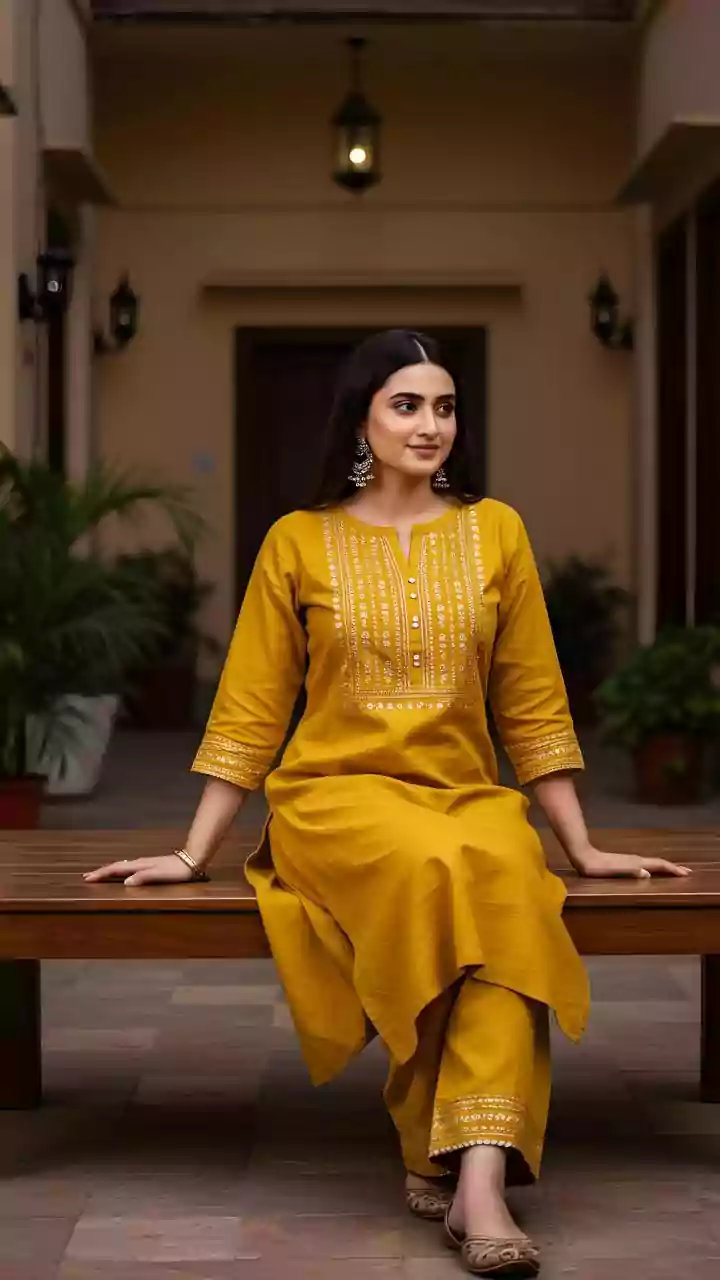
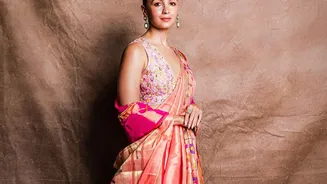
So, what does this contemporary twist look like in practice? It's a creative mix-and-match approach. Think of a heavily embroidered lehenga skirt paired not with its matching choli (blouse), but with a crisp white shirt, a simple crop top, or even a denim jacket. It's wearing sneakers with a handloom saree, a pairing that prioritizes comfort and personal style over rigid rules. Men are participating, too, trading heavy sherwanis for tailored kurta sets worn with jeans or sharp blazers. Other popular examples include pre-draped or saree-style gowns that offer the elegance without the complex wrapping, and co-ord sets in ethnic prints that feel more modern and less ceremonial than a full three-piece suit. It's fashion as a conversation between the past and the present.
The Instagram Effect
This sartorial shift is being massively accelerated and amplified by social media. Platforms like Instagram are a virtual runway where fashion inspiration is discovered and disseminated at lightning speed. In fact, for millions of young Indians, social media is the primary channel for discovering new fashion. When an influencer pairs a traditional textile with a modern silhouette, or a Bollywood star is spotted in an airport wearing a comfortable but chic kurta set, the look is instantly validated and replicated across the country. This has democratized fashion, moving influence away from just magazines and runways and creating a powerful feedback loop where trends are born, shared, and evolved by users themselves.
Comfort and Conscience Take Priority
Underlying this aesthetic shift are two core values of the younger generation: comfort and sustainability. Gen Z has made it clear that they won't sacrifice comfort for style, a factor that plays a huge role in their clothing choices. They are gravitating towards lighter, breathable fabrics like organza, cotton, and linen over heavy, restrictive silks and brocades. There's also a growing desire to move away from single-use outfits. Young shoppers want versatile pieces that can be styled in multiple ways and worn again, a stark contrast to the idea of buying a heavy, expensive outfit that will only see the light of day once. This mindset favors separates and adaptable fusion wear, which are both more sustainable and budget-friendly.
A New Chapter for Indian Fashion
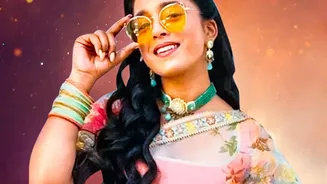
Designers and brands have been quick to respond to this grassroots movement. The market is now filled with fusion wear collections designed specifically for this new generation of consumers. Labels are offering everything from sharara sets with modern cuts to jacketed sarees and corset-style blouses. This isn't just a fleeting trend; it represents a fundamental change in how a whole generation relates to their cultural heritage. They are the curators of their own culture, taking elements of the past and styling them for the future. The result is a fashion landscape that is more personal, more dynamic, and more exciting than ever.