




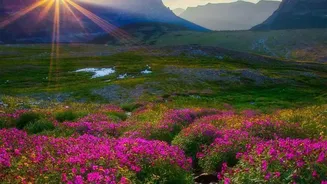
A Once-in-a-Dozen-Years Spectacle
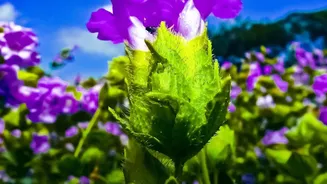
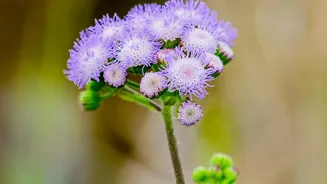
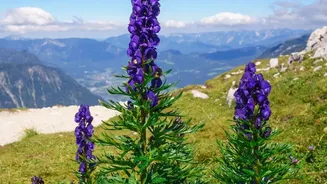
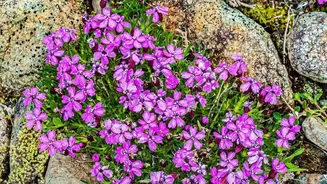
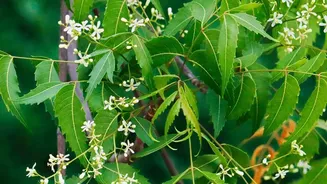
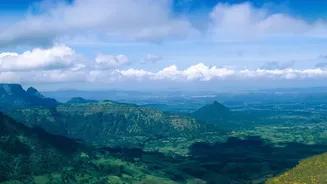
The Neelakurinji, scientifically known as Strobilanthes kunthiana, is a shrub endemic to the shola grasslands of India’s Western Ghats. Its name, a blend of Tamil and Malayalam, translates to 'blue flower'. What makes it extraordinary is its life cycle;
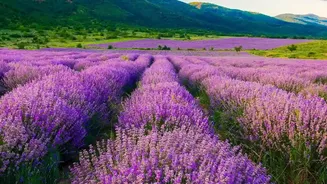
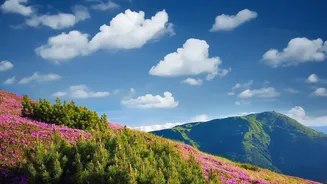
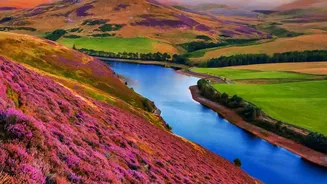
it blooms in a grand, synchronised display only once every 12 years, after which the plants die, leaving behind seeds for the next generation. This rare event transforms entire landscapes, particularly around Munnar in Kerala, into a breathtaking carpet of colour between July and October. The phenomenon is so regular that the local Paliyan tribe historically used the blooming cycle to calculate their age. This natural calendar marks not just the passage of time, but a vital ecological event that supports a host of pollinators like bees and butterflies.
The Curse of Popularity
The 2026 blooming season has seen an enormous influx of tourists, with authorities expecting lakhs of visitors to flock to hotspots like Chokramudy and Meeshapulimala. While this boosts local tourism, it places immense pressure on the fragile ecosystem. The sheer volume of people leads to predictable problems: severe traffic jams, accumulation of waste, and most harmfully, the trampling of the delicate flowers and shrubs. In some areas, the situation has become so severe that forest departments have been forced to restrict public access, deploying guards to guide visitors and prevent them from damaging the very spectacle they came to see. The flowers are part of a sensitive habitat, often overlapping with corridors for wildlife like elephants, making unregulated tourism a risk for both the plants and human-animal conflict.
A Deeper, More Silent Threat
Beyond the visible impact of tourist crowds lies a more insidious threat: long-term habitat destruction. According to a 2026 report by the Jawaharlal Nehru Tropical Botanic Garden and Research Institute (JNTBGRI), the Neelakurinji is facing a significant crisis. The Shola grasslands where the flower thrives have been shrinking for decades. Large swathes of its habitat have been converted for tea and eucalyptus plantations. Infrastructure expansion, including road development, further fragments the remaining pockets of grassland, disrupting crucial ecological processes like pollination and seed dispersal. These mounting pressures have led the International Union for Conservation of Nature (IUCN) to officially classify Strobilanthes kunthiana as a 'Vulnerable' threatened species. Scientists estimate that the species may have already lost around 40% of its original habitat.
Walking the Tightrope of Conservation
Recognising the urgency, conservation efforts are underway, but they represent a difficult balancing act. Protected zones like the Kurinjimala Sanctuary and Eravikulam National Park are vital for preserving the core habitat. In response to the growing threats, India's National Green Tribunal has taken notice of the JNTBGRI report, directing authorities to formulate a concrete action plan for the flower's protection. On the ground, local administrations are attempting to manage the tourist flow through innovative means, including developing mobile apps for booking viewing slots and providing real-time information on traffic and available parking. These measures aim to allow people to witness the bloom responsibly, ensuring the economic benefits of tourism do not come at the cost of ecological ruin.