

Eyjafjallajökull (2010): The Eruption That Halted Air Travel
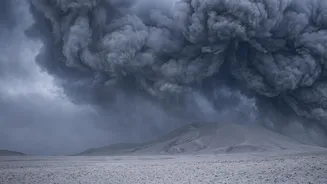
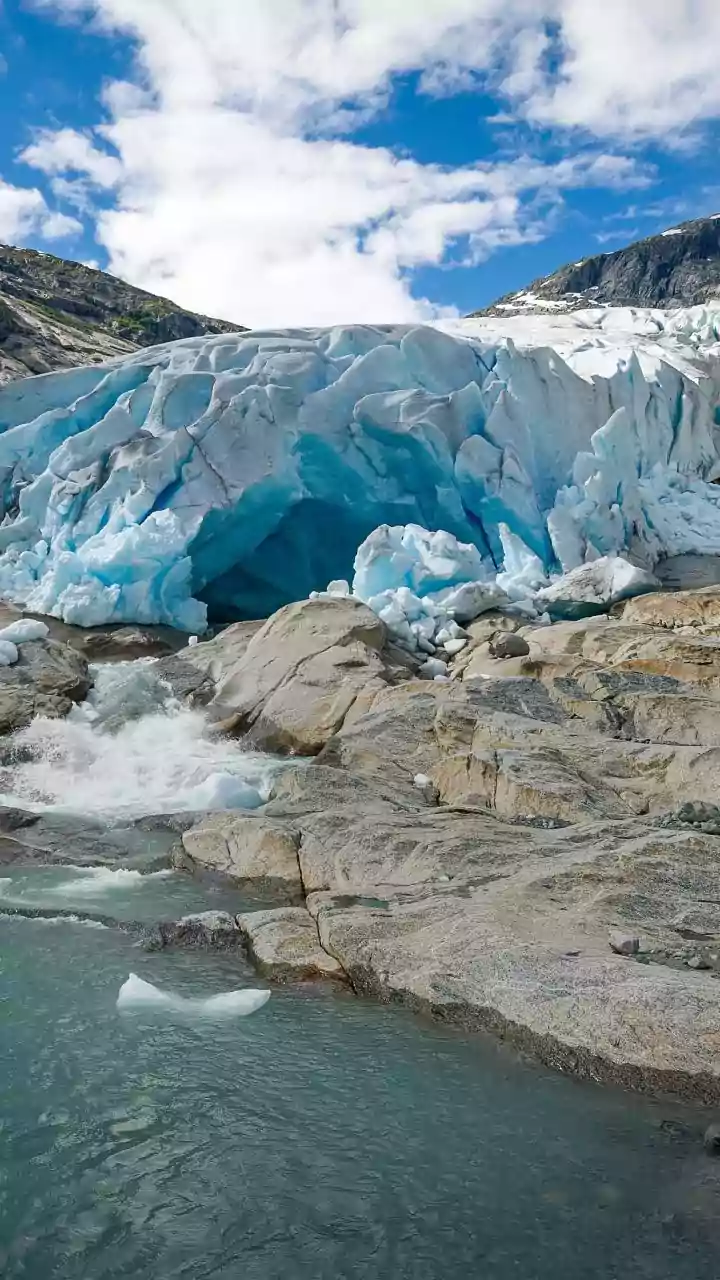
When Iceland's Eyjafjallajökull volcano erupted in April 2010, it wasn't the size of the explosion that caused chaos, but the nature of its ash. The eruption, occurring beneath a glacier, produced incredibly fine, glassy ash particles that were propelled
high into the jet stream. This abrasive dust posed a catastrophic threat to jet engines, capable of melting and fusing to turbine blades. The result was the largest shutdown of airspace since World War II. For nearly a week, over 100,000 flights were cancelled, disrupting travel for millions and closing over 300 airports across Europe. The economic fallout was immense. Airlines lost billions in revenue, and industries reliant on air freight, from fresh food suppliers in Africa to manufacturing plants in Asia, saw their supply chains snap. The event was a wake-up call, demonstrating how a single, geographically isolated event could bring a continent's economy and transport network to a standstill. It fundamentally changed how the aviation industry assesses and responds to volcanic ash risks.
Mount Merapi (2010): The Deadly Regional Disaster
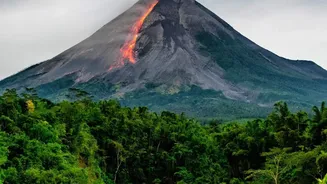
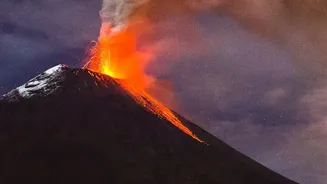
Later that same year, Indonesia's Mount Merapi, one of the most active and dangerous volcanoes in the world, unleashed its most powerful eruption in over a century. Unlike the Icelandic event, the consequences here were tragically immediate and local. Over several weeks, a series of violent explosions sent pyroclastic flows—superheated avalanches of gas and rock—scorching down the volcano's slopes. These flows were the primary cause of the death toll, which climbed to over 350 people. The eruption forced the evacuation of around 350,000 people, creating a massive humanitarian challenge. While the primary impact was local, the eruption had significant regional consequences. Thick ash plumes disrupted aviation across Java, cancelling hundreds of international flights and impacting tourism and trade. The financial losses were estimated to be in the hundreds of millions of dollars, affecting agriculture and infrastructure. Merapi’s eruption served as a grim illustration of the direct human cost of living in the shadow of an active volcano.
Mount Nyiragongo (2002): The Urban Humanitarian Crisis
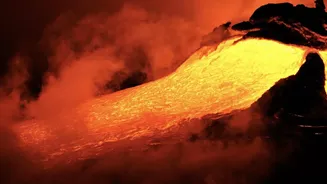
The eruption of Mount Nyiragongo in the Democratic Republic of Congo was a disaster defined by its lava. In January 2002, fractures opened on the volcano's flanks, sending fast-moving rivers of fluid lava directly into the city of Goma, home to hundreds of thousands. The lava flows destroyed an estimated 13% of the city, including homes, businesses, and critical infrastructure like the airport runway. While the official death toll was relatively low at around 140-160, mostly from carbon dioxide poisoning and a fuel explosion, the eruption displaced up to 400,000 people, triggering a severe humanitarian crisis. People fled across the border into neighbouring Rwanda, creating massive, overcrowded refugee camps where diseases like cholera became a threat. The global consequence was the massive international aid response required to support the displaced population with food, water, and shelter. The event highlighted the immense challenge of managing a volcanic disaster in a densely populated urban area already facing complex social and political issues.
Hunga Tonga-Hunga Haʻapai (2022): The Blast That Touched the Stratosphere
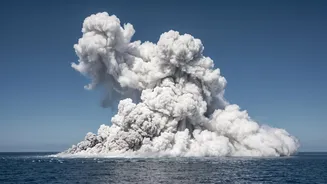
The 2022 eruption of the Hunga Tonga-Hunga Haʻapai submarine volcano was a scientific marvel and a global phenomenon. It was the largest atmospheric explosion recorded by modern instruments, generating shockwaves that circled the planet multiple times. Its most significant global consequence was not from ash, but from water. The underwater blast injected an unprecedented amount of water vapour—an estimated 150 million tons—directly into the stratosphere. This single event increased the total water content of the stratosphere by about 10%. Scientists are still studying the long-term effects, but this massive injection of water vapor, a greenhouse gas, is unique. Unlike past major eruptions that primarily released cooling sulfur dioxide aerosols, Hunga Tonga's water-rich plume has complex effects on atmospheric chemistry, including contributing to localized ozone depletion. It stands as a powerful, real-world experiment, teaching scientists about atmospheric processes in ways never before possible.