



The Purists: A Case for Black Coffee
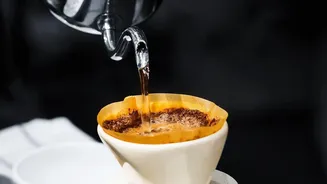
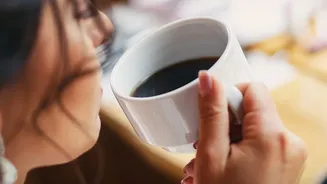
For a significant portion of coffee drinkers, there is only one way: black. This choice is often seen as a purist’s approach, a desire to taste the coffee bean in its unadulterated form. Proponents of black coffee appreciate the nuanced flavours of a specific
roast or single-origin bean, from its acidity and body to its complex aromatic profile. Drinking coffee black allows the full spectrum of antioxidants and bioactive compounds to be delivered without interference. Studies have shown that regular consumption of black coffee is associated with numerous health benefits, including a lower risk for certain diseases and improved liver health. From a psychological standpoint, some research suggests a link between a preference for black coffee and certain personality traits. One study by clinical psychologist Dr. Ramani Durvasula found that black coffee drinkers may lean towards a no-nonsense, minimalist personality. They are often seen as patient, efficient, and perhaps a bit set in their ways, preferring simplicity and directness. This choice aligns with a mindset that values function and quality over embellishment.
The Comfort Seekers: A Splash of Milk
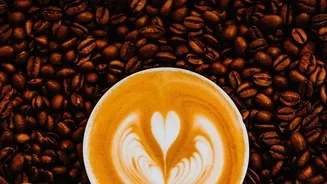
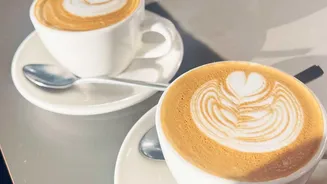
The tradition of adding dairy to coffee is centuries old, dating back to at least the 1660s when a Dutch ambassador in China reportedly copied the Manchu practice of adding milk to tea. The trend caught on in European coffee houses, where milk was used to mellow the often harsh and bitter brews of the time. Today, the latte, cappuccino, and flat white are staples of global coffee culture. The science is simple: the fats in milk bind to the bitter compounds in coffee, softening its sharp edges and creating a smoother, rounder mouthfeel. Heating and frothing milk also releases its natural sugars, adding a subtle sweetness without needing sugar. This preference isn't just about taste; it's deeply connected to a desire for comfort. Milky coffees are often associated with relaxation, warmth, and social moments. Psychologically, latte lovers are sometimes seen as people-pleasers and comfort-seekers, valuing harmony and connection. It transforms coffee from a purely functional beverage into a soothing, satisfying experience.
The Sweet Tooth: The Role of Sugar
Adding a sweetener to coffee was one of the earliest modifications made when the drink arrived in Europe. Initially, honey and sugar were used to make the unfamiliar, bitter taste more palatable to a population accustomed to tea. Today, the choice to add sugar is about more than just masking bitterness; it can enhance the overall flavour profile. Interestingly, research from Aarhus University found that drinking coffee can actually increase the mouth's sensitivity to sweetness, which might explain why a sweet pastry alongside a bitter coffee is such a classic pairing. For those who add sugar directly to their cup, it serves to balance the flavour profile and provide an immediate energy boost. While health experts caution that adding too much sugar can counteract coffee's natural benefits, a small amount can make the experience more enjoyable for many. Some personality studies have linked a preference for sweet, blended drinks to a more socially bold, trend-setting, and sometimes reckless personality type, reflecting a desire for indulgence and novelty.
More Than a Drink, It's an Identity
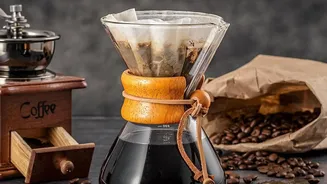
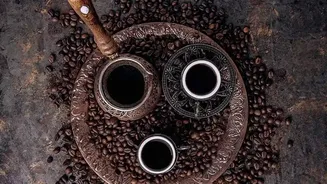
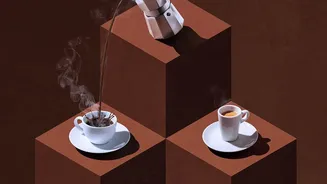
Ultimately, your coffee order is a form of self-expression. It’s shaped by everything from your unique sensory perception to cultural norms and personal routines. In Italy, a quick espresso at a bar is the standard, while in North America, large, customized to-go cups dominate. In the Middle East, coffee ceremonies are a symbol of hospitality, often involving spices. The rise of 'third wave' coffee culture has further emphasized coffee as a craft, encouraging drinkers to learn about bean origins and brewing methods. Cafés have become community hubs where your order is part of the social fabric. Whether you're a minimalist black coffee drinker, a comfort-seeking latte lover, or someone who enjoys a sweet treat, your choice is part of a global ritual. It's a small but significant way we craft our daily experience and project our identity to the world.