





Deconstructing the 'Dual Disruption'
The 'dual disruption' that CareEdge Ratings warns about refers to the simultaneous and severe interference of two of the world's most critical maritime chokepoints: the Strait of Hormuz and the Bab el-Mandeb Strait, which leads to the Red Sea. These are not
just distant points on a map; they are vital arteries for global trade and, more specifically, for India's energy and commerce lifelines. The report highlights that war-induced disruptions, including potential blockades and escalating regional conflicts, could trigger this 'double whammy' for India. Geopolitical tensions, such as Houthi threats to Red Sea traffic and Iranian directives, create a scenario where both routes could face closure or severe restrictions at the same time.
The Inflationary Engine Explained
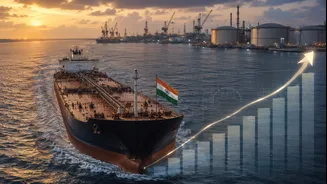
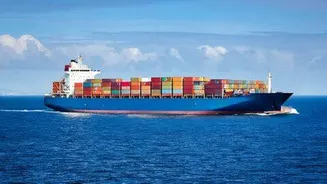
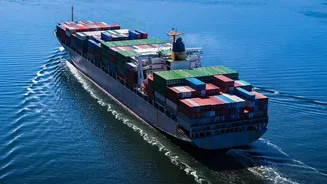
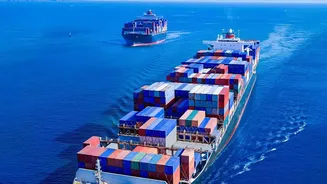
So, how does trouble in these waterways translate into higher prices in India? The connection is direct and powerful. A significant portion of India's crude oil, LNG, and LPG supplies passes through these straits. A dual closure forces ships to take much longer routes, like around the Cape of Good Hope, which extends delivery times by weeks. This doesn't just delay shipments; it creates a cascade of costs. Longer transit times mean fewer available vessels, which drives up freight rates. Furthermore, insurers hike their 'war-risk' premiums for ships entering these volatile zones, sometimes by staggering amounts. These sharply increased logistics and insurance expenses get passed down the supply chain, leading to higher costs for imported goods, especially energy. CareEdge warns this could push Brent crude prices to as high as $130–$135 per barrel.
Which Sectors Are Most Vulnerable?
The impact isn't evenly spread. The most immediate and intense pressure would be on sectors heavily reliant on imports that transit these routes. CareEdge specifically flags crude oil, petroleum products, LPG, and fertilisers as highly vulnerable. This means energy-intensive industries will face a sharp rise in input costs. The aviation sector will grapple with pricier jet fuel, and manufacturing industries that use plastic polymers (derived from petroleum) will see raw material costs surge. Even agriculture is not immune; disruptions to fertiliser imports could increase input prices for farmers, which may eventually translate into higher food costs. Exporters, particularly those dealing in products like Basmati rice, also face risks from higher shipping costs and unpredictable delivery schedules.
The Ripple Effect on Consumers and Companies
Ultimately, these macroeconomic shocks ripple down to households and businesses. Higher crude oil prices directly lead to costlier petrol and diesel, increasing transportation costs for everything from vegetables to consumer goods. This can fuel broad-based inflation, eroding the purchasing power of every citizen. For Indian companies, especially smaller firms with less ability to absorb shocks, the situation is perilous. They are likely to face squeezed profit margins due to the triple hit of higher raw material costs, elevated logistics expenses, and increased working capital requirements to manage inventory. A sustained period of such disruption could also widen India's current account deficit and put downward pressure on the rupee, further complicating the economic picture.
Are There Any Buffers in Place?
India is not entirely without defense. The country has been actively diversifying its crude oil sourcing, with increased imports from Russia providing some cushion against supply shocks from one specific region. The government also maintains strategic petroleum reserves to address temporary supply interruptions. Furthermore, CareEdge notes that India has moderate buffers, including strong foreign exchange reserves and a contained current account deficit, which help absorb short-term shocks. However, experts caution that while these measures are crucial for managing immediate supply shortages, they are less effective against a prolonged period of high transportation costs and logistical chaos caused by chokepoint closures. The resilience of the Indian economy would be severely tested in a prolonged dual disruption scenario.