



The Psychology of 'Pester Power'
Food companies spend enormous amounts of money licensing popular characters to adorn their packaging for a simple reason: it works. Studies have shown that children not only prefer the taste of foods that have characters on the box, but they will also
persistently ask their parents for these products. This phenomenon, known as 'pester power', is a key driver of sales in the children's food market. The friendly, familiar faces of cartoon characters create an emotional connection, making a child feel that the product is made just for them. Research has found that this effect is particularly strong for younger children, who have a harder time distinguishing between advertising and entertainment. This puts parents in a difficult position, often forced to either give in or manage a public tantrum.
What's Really Inside the Box?
When you look past the cartoons and turn to the nutrition label, the picture is often less appealing. A significant number of breakfast cereals marketed to children are high in added sugar and low in essential nutrients like fibre. Some popular children's cereals contain more sugar per serving than cookies or snack cakes. While cereal can be a healthy start to the day, experts advise looking for options that are low in added sugar, ideally 6 grams or less per serving, and high in fibre, with at least 3 grams per serving. Unfortunately, many products featuring cartoon marketing don't meet these criteria. A diet high in added sugars can contribute to health issues and energy crashes, impacting a child's ability to focus throughout the day.
How to Win the Supermarket Standoff
Navigating the cereal aisle doesn't have to be a battle. One of the most effective strategies is to set expectations before you even enter the store. Explain that you will be buying from a pre-agreed list or that treats are not on the agenda for this trip. Involving children in the shopping process can also help by distracting them and giving them a sense of control. Ask them to find a healthier item on the list, or let them choose between two parent-approved options. If possible, shopping without young children can eliminate the pressure altogether. When you do say no, it is crucial to remain calm but firm; giving in teaches a child that pestering is an effective strategy.
Teaching Smart Choices from an Early Age
The ultimate goal is to empower children to make healthy decisions for themselves. This starts with education. Talk to your children about advertising in an age-appropriate way. Explain that the fun character on the box is there to sell the product, and it doesn't mean the food inside is the best choice for their body. A great way to do this is by teaching them to become 'food detectives'. Show them how to look at the nutrition label. You can make a game out of finding the cereal with the lowest sugar or the highest fibre. This shifts the focus from the marketing on the front of the box to the facts on the back, giving them a valuable skill for life.
Making Healthy Breakfasts Fun
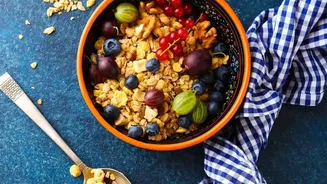
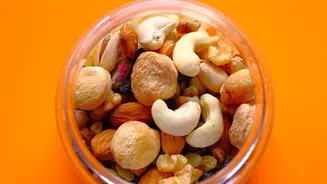
Moving away from sugary, character-driven cereals doesn't mean breakfast has to be boring. There are many ways to make a nutritious morning meal exciting. Start with a healthy base like plain oatmeal, whole-wheat flakes, or other low-sugar, high-fibre cereals. Then, create a 'toppings bar' with fresh fruits, nuts, seeds, or a sprinkle of cinnamon. This allows children to customise their own bowl, giving them the creativity and choice they crave. Involving them in the preparation of traditional Indian breakfasts like idli or upma, which are naturally nutritious, can also foster a greater appreciation for wholesome food. The key is to make healthy eating an interactive and enjoyable family activity, not a restriction.