




The High-Tech Push for Food Security
When you think of farming, you might picture sprawling fields, not multi-storey buildings in an industrial park. But in Singapore, the future of farming is increasingly vertical. The nation is pursuing an ambitious goal known as '30 by 30', which aims
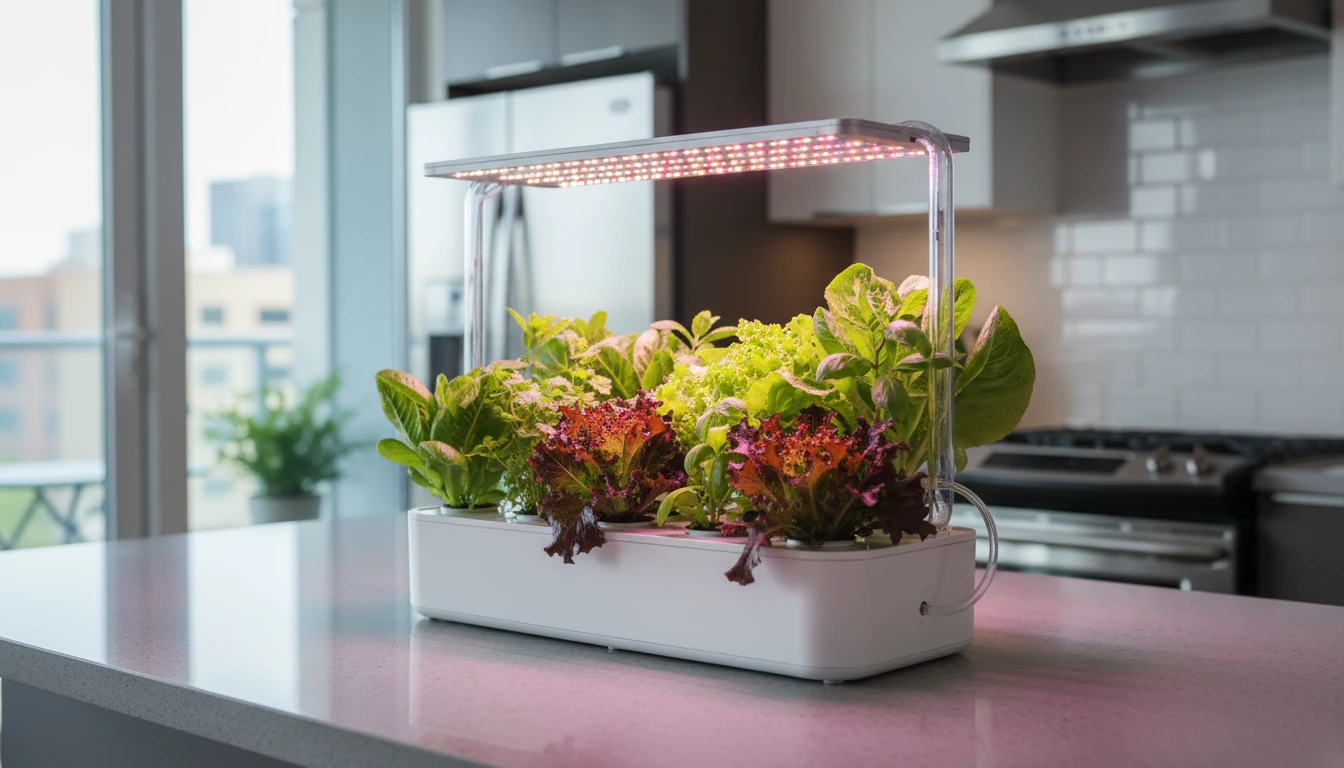
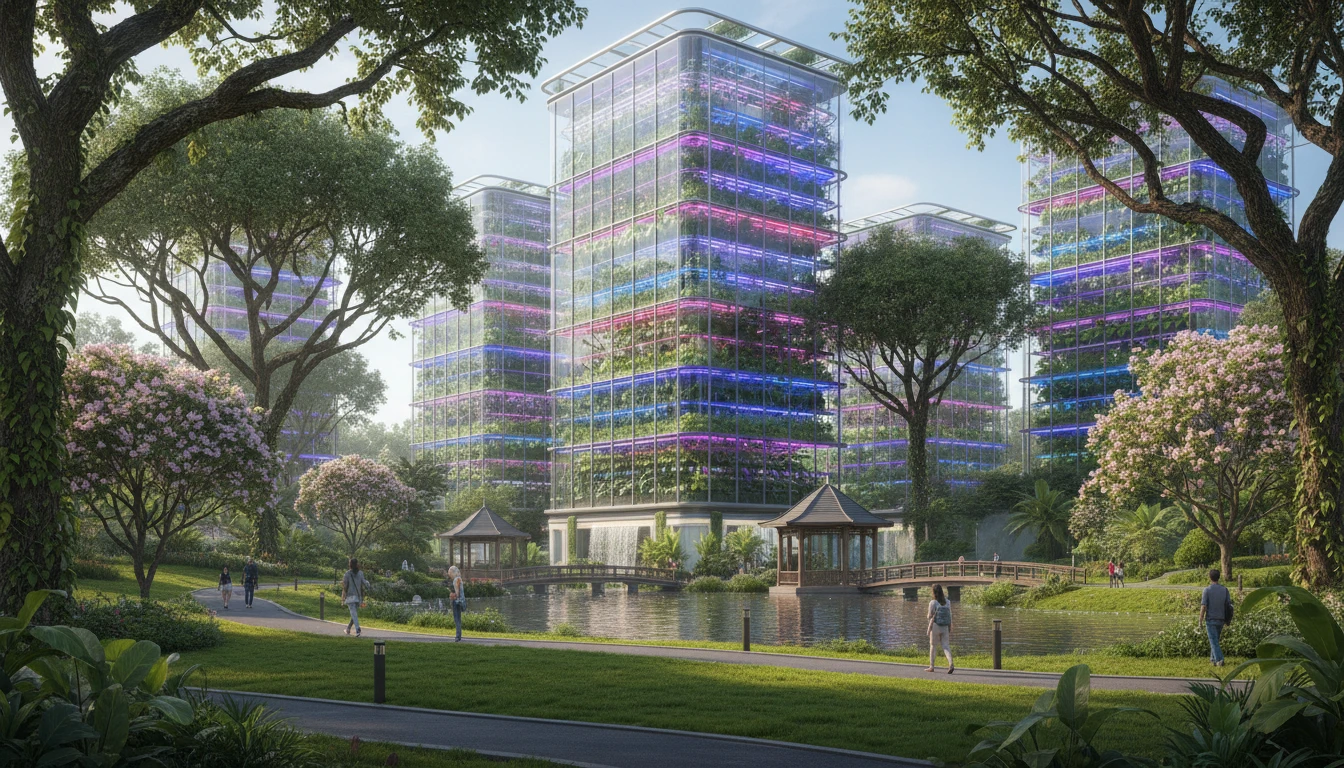
to produce 30% of its nutritional needs locally by 2030, a huge leap from the current figure of less than 10%. Given that only 1% of its land is available for conventional farming, Singapore is betting big on technology. This is where 'futuristic planting' comes in. It involves climate-controlled indoor vertical farms where vegetables grow under LED lights, and advanced aquaculture systems that raise fish in closed-loop urban environments. These methods are highly productive, allowing the country to grow more with less space and insulate its food supply from global disruptions.
From Garden City to a City in Nature
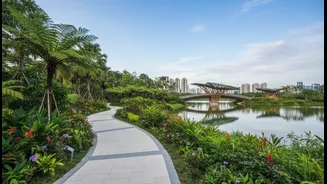
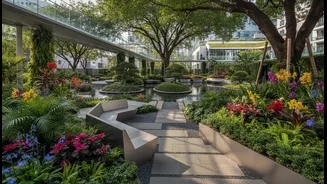
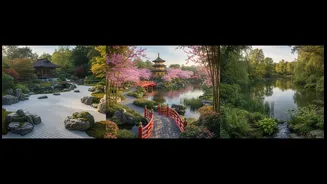
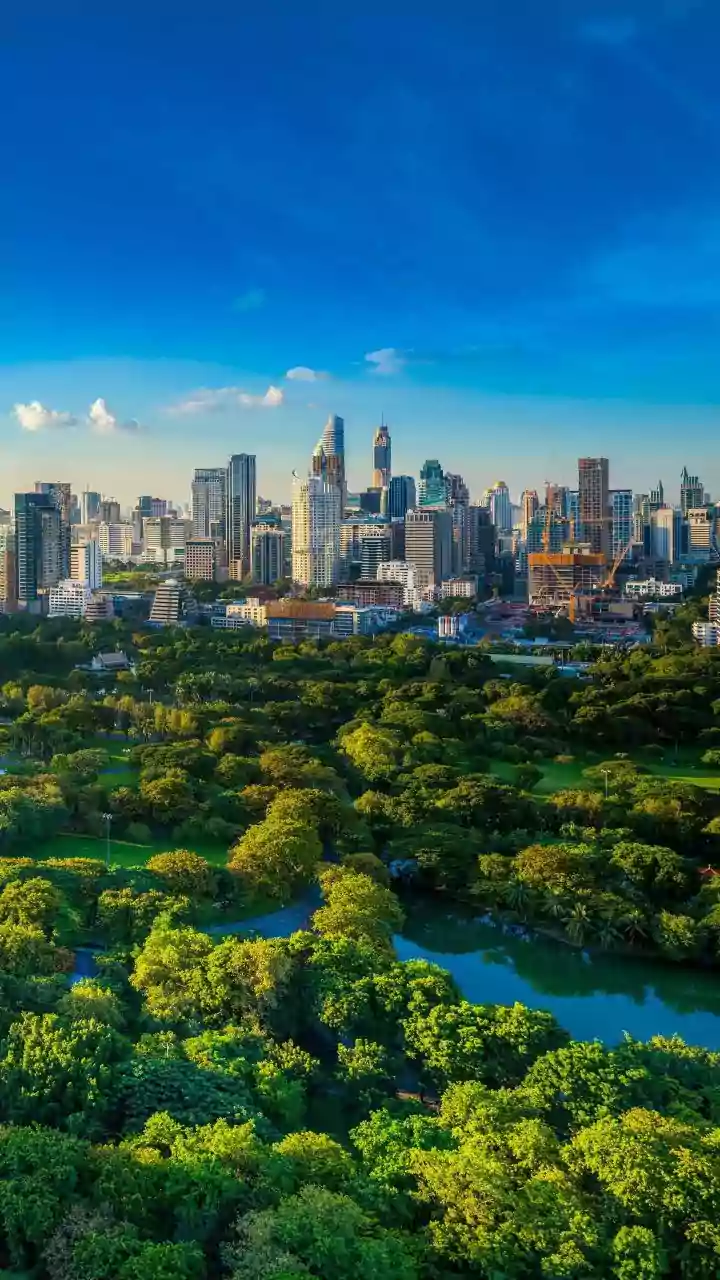
While one government agency champions high-tech food production, another is doubling down on traditional green spaces. The National Parks Board (NParks) is evolving Singapore’s identity from its original 'Garden City' concept, launched in the 1960s, to a more ambitious 'City in Nature' vision. This isn't just about planting trees for shade and beauty. The goal is to weave nature more deeply into the urban fabric, restoring habitats and enhancing biodiversity. This includes expanding nature park networks, planting a million more trees by 2030, and ensuring every household is just a ten-minute walk from a park. These 'traditional landscapes'—nature reserves, coastal wetlands, and extensive park connectors—are seen as crucial for residents' well-being and for making the city resilient to climate change.
Two Goals, One Integrated Strategy
On the surface, dedicating land to technology-driven farms and to pristine nature reserves might seem like competing priorities in a land-scarce nation. In reality, they are two sides of the same coin: a strategy for long-term resilience. The beauty of vertical farming is that it doesn't require vast fields. These farms can be housed in repurposed industrial buildings or on underutilised spaces like carpark rooftops, leaving precious land available for other uses. This allows Singapore to pursue food security without sacrificing the green lungs of the city. It’s a deliberate allocation of resources. Technology is used to solve the challenge of food production in a dense environment, which in turn protects the space needed for forests, parks, and recreational areas that define the country’s exceptional quality of life.
Where Tech and Nature Intertwine
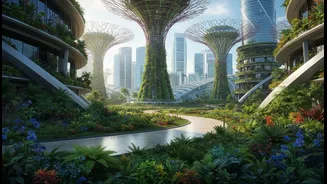
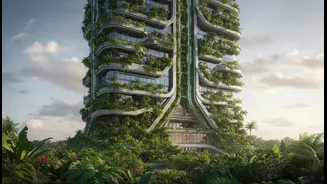
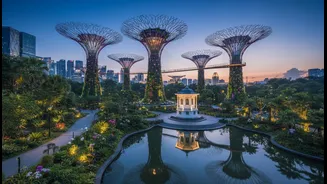
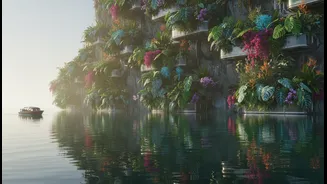
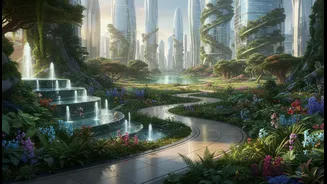
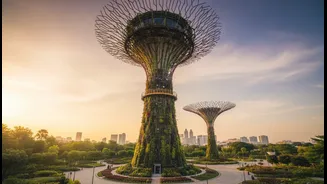
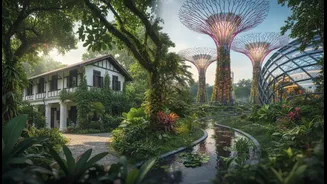
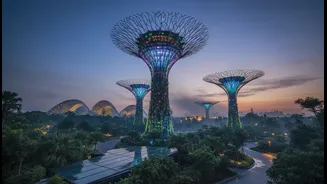
The distinction between futuristic and traditional isn't always so clear-cut, as the two often merge. Technology helps manage and enhance natural landscapes; NParks uses geospatial data and other tech to monitor the health of its trees and ecosystems. At the same time, principles of nature are being integrated into futuristic architecture. New buildings are required to include green elements like vertical gardens and green roofs, a concept known as biophilic design. These structures not only look stunning but also serve ecological functions, like reducing the urban heat island effect and improving air quality. This creates a city where a high-tech skyscraper can also function as a vertical garden, and a restored river can double as a natural flood control system, blurring the lines between the built environment and the natural world.