



The Classic Chianti Trail
The quintessential Tuscan journey begins on the SR222, famously known as the Chiantigiana. This road is not the fastest way to get from Florence to Siena, but it is unquestionably the most beautiful. Winding for roughly 70 kilometres, it threads through
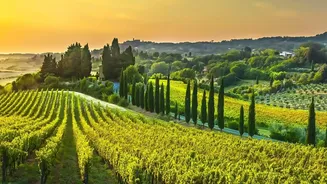
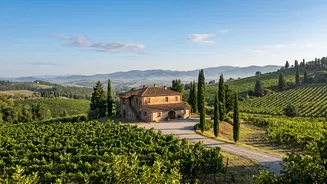
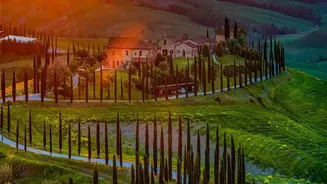
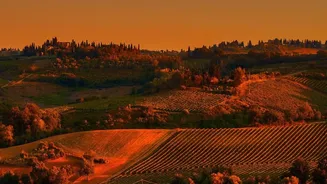
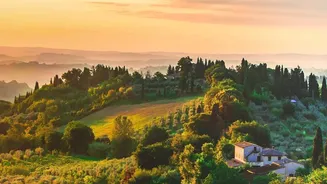
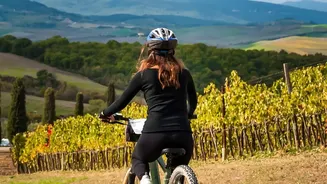
the heart of the Chianti Classico wine region, where the world-famous Sangiovese grape reigns supreme. Your first stop could be Greve in Chianti, a bustling market town with a unique triangular piazza that has been a center of commerce for centuries. From there, the road continues to Panzano, home to a world-renowned butcher, and the medieval fortified towns of Castellina and Radda in Chianti. Each bend in the road reveals another postcard-perfect view of rolling hills draped in vineyards and olive groves. Plan for spontaneous stops; many wineries along the route offer tastings, but it's wise to book ahead, especially for tours.
Siena's Medieval Majesty
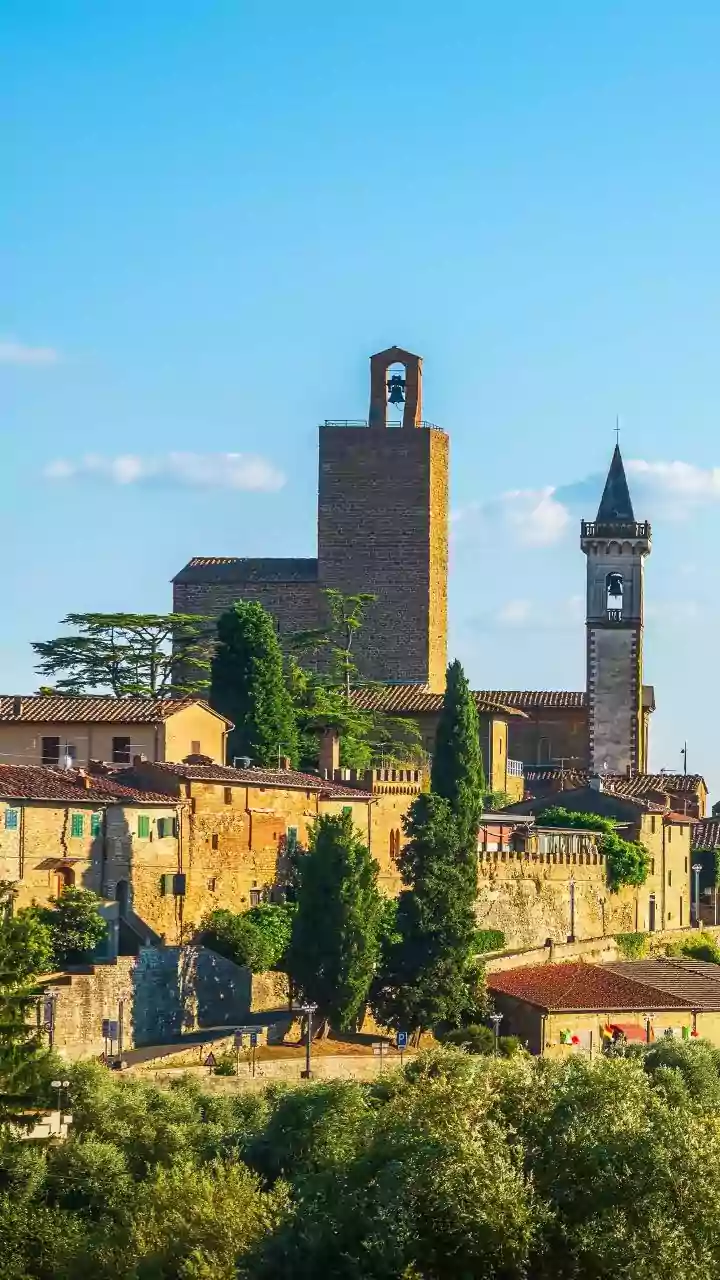
After the rustic charm of Chianti, the SR222 delivers you to the doorstep of Siena, a city that feels like a trip back in time. Unlike Renaissance Florence, Siena's soul is gothic, a maze of narrow brick alleyways that all spill into the magnificent Piazza del Campo. This shell-shaped square, famous for its historic Palio horse race, is the true heart of the city. Spend your time here getting lost, climbing the Torre del Mangia for a breathtaking panorama, and admiring the city's stunning black-and-white Duomo. Siena is a city of art, but it wears its treasures intimately. For a different kind of skyline, a short drive to the nearby town of San Gimignano offers a forest of medieval towers built by rival families, a testament to a very different kind of ambition.
The Iconic Val d'Orcia
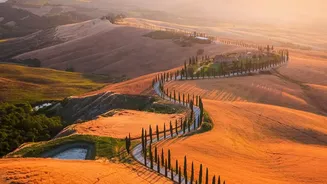
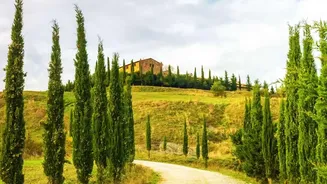
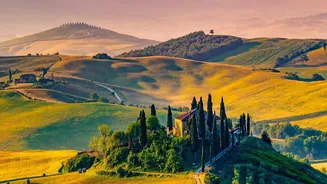
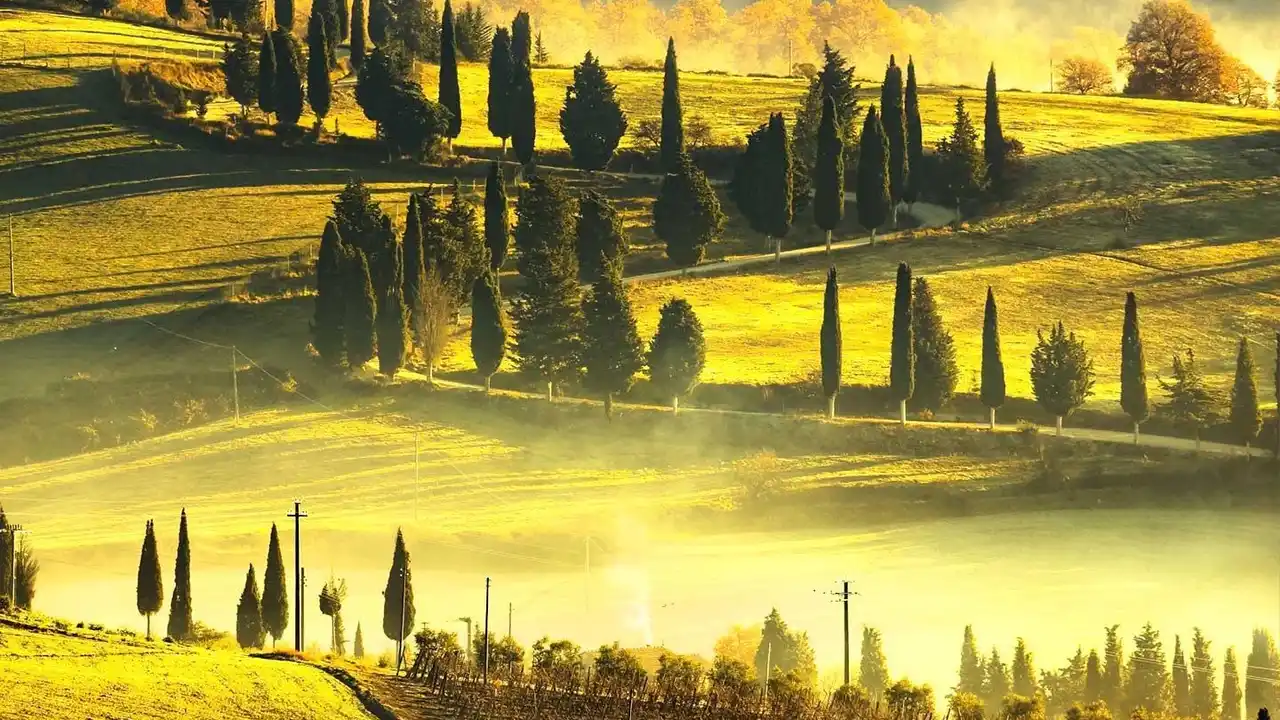
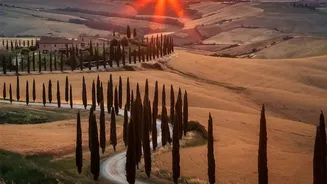
South of Siena, the landscape transforms into the Val d'Orcia, a UNESCO World Heritage site and the Tuscany of your imagination. This is where you'll find those iconic, endlessly photographed scenes: solitary chapels on hilltops, winding roads lined with perfect cypress trees, and golden fields of wheat. The drive itself is the main attraction here. Routes like the SP146 between Pienza and San Quirico d'Orcia are short but packed with viewpoints you'll want to pull over for. Pienza, the 'ideal' Renaissance town designed by Pope Pius II, is a must-visit, as is Montalcino, the home of prestigious Brunello wine. For a unique stop, visit Bagno Vignoni, a tiny village where the main square is a large pool of steaming thermal water.
The Journey Itself
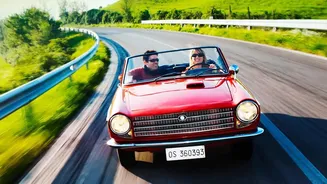
To truly make the journey matter, embrace a slower pace. The distance between most Tuscan towns is short, often less than an hour's drive, but the experience is richer when you allow for detours. Follow a sign for a 'strada bianca' (white gravel road) to a secluded agriturismo for lunch. Stop at a roadside stall to buy pecorino cheese in Pienza or olive oil near Greve. The best light for photography is in the early morning and late afternoon, when the sun casts long shadows and makes the colours of the landscape glow. The most memorable moments of a Tuscan road trip often happen when you put the map away and follow a winding road simply to see where it leads.
Practical Tips for the Road
Driving in Tuscany is a joy, but it comes with a few rules. The most important is understanding the ZTL, or 'Zona a Traffico Limitato' (Limited Traffic Zone). These are common in the historic centres of almost every town and city, and driving into one without a permit will result in a fine, often sent months later. The rule of thumb is simple: park outside the old city walls and walk in. Navigation apps now often include ZTL warnings, but always trust the physical signs—a red circle—over your GPS. Rent the smallest car that comfortably fits your party and luggage; you'll be thankful on narrow village streets. Finally, download offline maps, as mobile service can be patchy in the valleys.