






First, What Is Dietary Fibre?
Before we compare the grains, it is crucial to understand what dietary fibre is. It is a type of carbohydrate that the body cannot digest. Instead of being broken down, it passes through your system, playing a vital role in health. Fibre comes in two
main forms: soluble and insoluble. Soluble fibre dissolves in water to form a gel-like substance. This process can help lower blood cholesterol and glucose levels, making it beneficial for heart health and diabetes management. Insoluble fibre does not dissolve in water. It adds bulk to stool and helps food pass more quickly through the digestive system, which is excellent for preventing constipation and maintaining bowel regularity. Most plant-based foods contain a mix of both, but often one type is more dominant.
Meet Ragi: The Humble Powerhouse
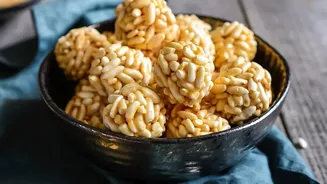
Ragi, or finger millet, is a staple grain that has been cultivated in India and Africa for thousands of years. It has recently gained 'superfood' status for its impressive nutritional profile. When it comes to fibre, ragi is a champion, with some sources noting around 11 grams of dietary fibre per 100g of uncooked grain. This makes it significantly higher in fibre than many other common cereals. Ragi's fibre is predominantly insoluble, which explains its well-known benefits for digestive health. This high fibre content promotes a feeling of fullness, which can help in weight management by reducing overall calorie intake. Furthermore, ragi is naturally gluten-free and a fantastic source of calcium and iron, addressing common nutritional gaps in Indian diets.
Enter Quinoa: The Complete Protein
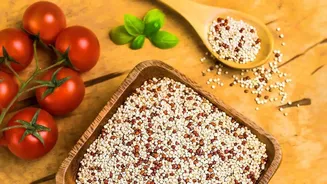
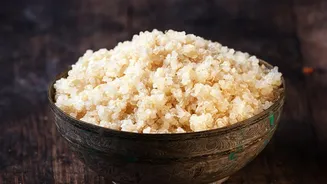
Quinoa, a seed native to South America, became famous worldwide for being a 'complete protein', meaning it contains all nine essential amino acids. This makes it a rare and valuable plant-based food. In the fibre department, 100g of uncooked quinoa provides about 7g of fibre. While this is less than ragi, quinoa offers a more balanced profile of both soluble and insoluble fibre. This balanced mix contributes to its wide-ranging health benefits, including improved gut health, better blood sugar control, and appetite management due to its filling nature. Its ability to slow down digestion helps prevent sharp spikes in blood sugar. Like ragi, it is also gluten-free.
The Fibre Face-Off: Interpreting the Numbers
On paper, ragi has a higher total fibre count than quinoa. But interpreting this information requires looking at your personal health goals. The key difference lies in the type of fibre. If your primary concern is digestive regularity and feeling full for longer to aid weight management, ragi's high load of insoluble fibre makes it an outstanding and cost-effective choice. On the other hand, if you are focused on managing blood sugar levels, lowering cholesterol, and getting a significant protein boost, quinoa's balanced fibre profile and complete protein status give it an edge. It is not that one is definitively 'better' than the other; their strengths simply serve different purposes.
Which One Should You Choose?
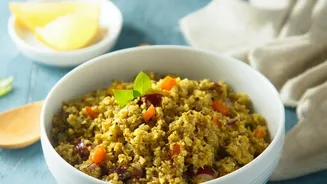
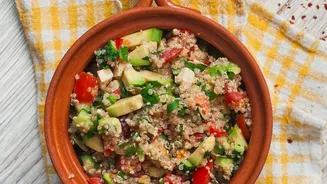
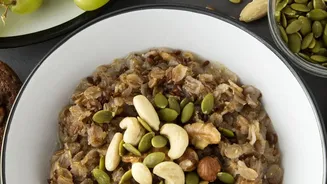
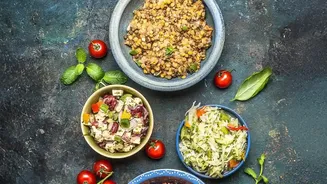
The choice between ragi and quinoa depends entirely on your needs. For daily cooking in Indian households, ragi is often more accessible, affordable, and easily integrated into traditional recipes like rotis, dosas, and porridge. Its high calcium and iron content are particularly beneficial. Quinoa is excellent for salads, pulaos, and as a substitute for rice, offering superior protein quality. Many find that the best approach is not to choose one over the other, but to incorporate both into a varied diet. You could have ragi porridge for breakfast to stay full until lunch, and a quinoa salad for dinner to get a light, protein-rich meal. This allows you to reap the unique benefits of both grains.