



A New Era for 007
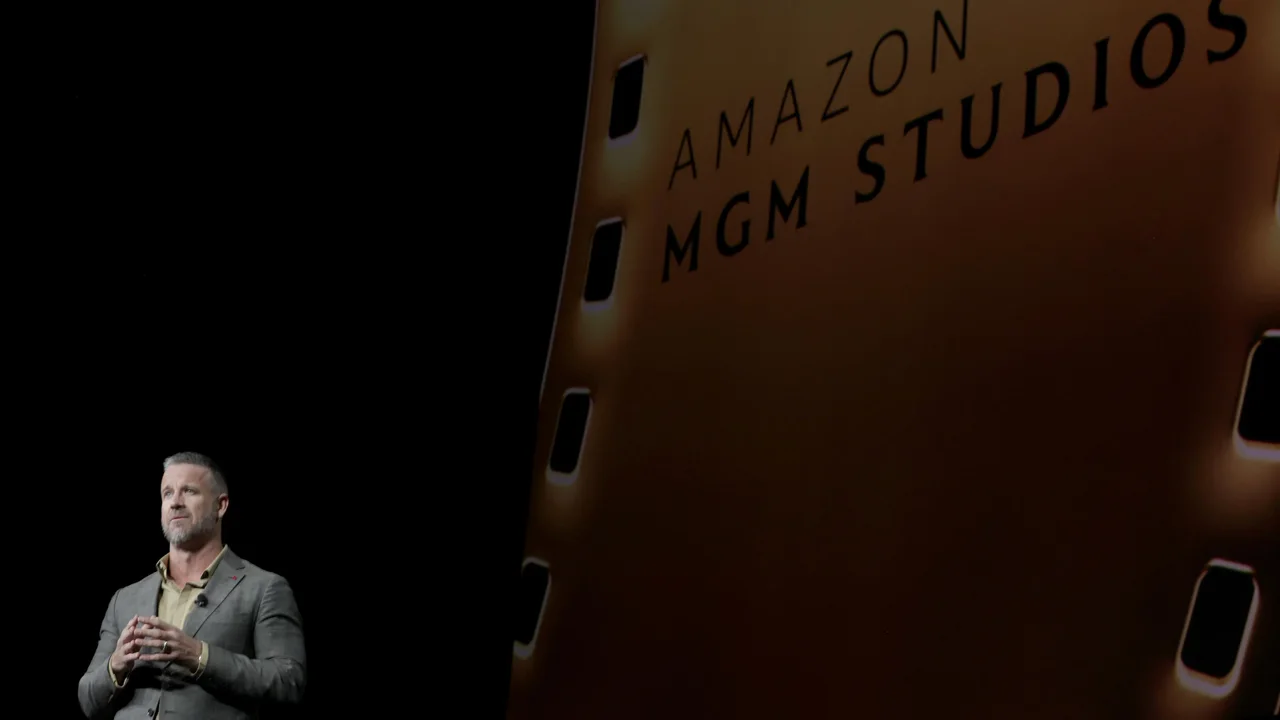
After years of speculation following Daniel Craig’s explosive exit in 2021's 'No Time to Die', Amazon MGM Studios has confirmed that Robert Pattinson will be the seventh actor to officially carry the license to kill. The announcement came via a coordinated
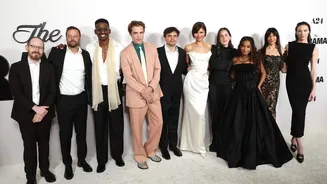
social media reveal, with the official 007 accounts being wiped before posting a photo of the 40-year-old actor in the iconic tuxedo. In a statement, Pattinson called it the 'honour of a lifetime' to be entrusted with the role. The next film, the 26th in the official series, will be directed by Denis Villeneuve with a script from 'Peaky Blinders' creator Steven Knight. This marks a major shift for the franchise, being the first film produced under Amazon MGM's creative control after acquiring the rights in 2025. While Pattinson is an established star, a choice that breaks from the tradition of casting lesser-known actors, he faces the daunting task of succeeding a line of unforgettable performers.
Sean Connery: The Original Blueprint
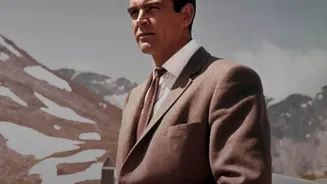
When Sean Connery first introduced himself as 'Bond, James Bond' in 'Dr. No' (1962), he created the mould. His portrayal was a magnetic mix of effortless cool, brutal physicality, and dry wit. Connery was not author Ian Fleming's first choice, who initially found the Scottish actor too 'uncouth', but he quickly defined the role for a generation. Across six official films, he was dangerous, charming, and utterly commanding. He set the standard so completely that for decades, every subsequent actor has been measured against the long shadow cast by his iconic performance.
George Lazenby: The One-Film Wonder
Australian model George Lazenby had the impossible job of following Connery. He starred in just one film, 'On Her Majesty's Secret Service' (1969), yet his contribution remains significant. Lazenby's Bond was more vulnerable and romantic, a stark contrast to Connery's hardened spy. His film is famous for featuring Bond's marriage and the tragic death of his wife, Tracy. Though his tenure was short, Lazenby brought an emotional depth to the character that wouldn't be explored again for many years, making his single outing a unique and respected entry in the series.
Roger Moore: The Charming Gentleman Spy
Stepping into the role in 1973 with 'Live and Let Die', Roger Moore steered the franchise in a new direction. Over a record seven official films, Moore became the 'gentleman' Bond, known for his lighthearted humour, raised eyebrow, and safari suits. His era embraced the outlandish, with plots involving space stations ('Moonraker') and underwater cars ('The Spy Who Loved Me'). While critics sometimes pointed to a lack of grit, Moore’s charismatic and witty take was immensely popular, broadening the franchise's appeal and defining 007 for the 1970s and 80s.
Timothy Dalton: The Brooding, Serious Agent
After Moore’s flamboyant run, Timothy Dalton’s arrival in 'The Living Daylights' (1987) was a jolt of gritty realism. His Bond was a serious, intense professional who was often reluctant to kill. Drawing heavily from Ian Fleming's darker novels, Dalton portrayed a spy burdened by the moral compromises of his work. In his two films, he stripped away the camp and humour, presenting a more complex and dangerous agent. Though his time as 007 was brief, Dalton’s grounded interpretation was ahead of its time and is now seen as a precursor to Daniel Craig’s acclaimed reinvention.
Pierce Brosnan: The Modern Suave Spy
Pierce Brosnan revitalised the franchise for the 1990s with 'GoldenEye' (1995). He perfectly blended the suaveness of Connery with the charm of Moore, all while navigating a post-Cold War world. His Bond was witty and sophisticated but could also handle the increased demand for visceral action. Brosnan’s four films successfully updated the character, grappling with a female M and a world where the old certainties of espionage had vanished. He brought Bond roaring back to commercial success, proving the character's enduring relevance.
Daniel Craig: The Broken But Human Bond
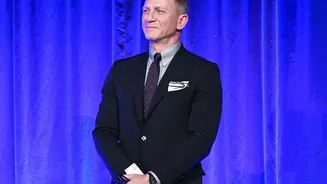
When the blonde-haired Daniel Craig was cast, the choice was met with scepticism. However, with 'Casino Royale' (2006), he delivered a stunning reinvention. Craig's Bond was a blunt instrument: physically imposing, emotionally scarred, and brutally efficient. Across his five-film arc, he presented a serialized story of a man broken by his profession, falling in love, and seeking revenge. He brought a new level of psychological depth and vulnerability to the role, culminating in his definitive sacrifice in 'No Time to Die', leaving behind the biggest shoes to fill since Connery.