




A Milestone for Mission Safety
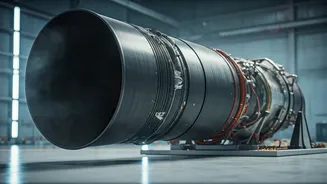
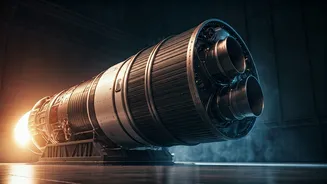
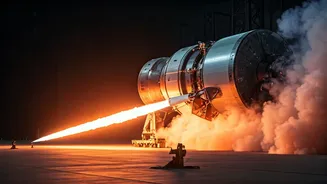
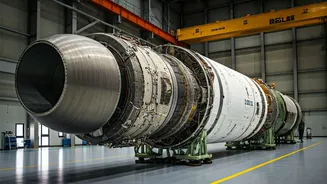
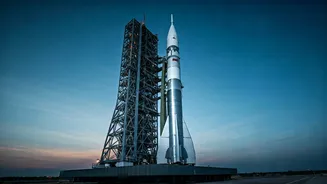
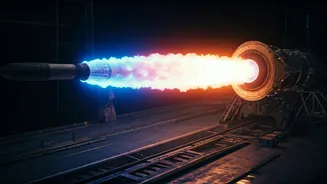
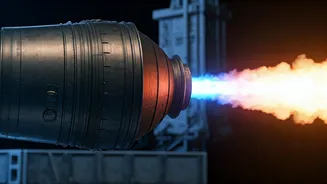
On July 3, 2026, engineers at the Satish Dhawan Space Centre in Sriharikota conducted the first static ground test of a solid motor designed for a new vehicle. This vehicle, known as the Sub-Orbital Launch Vehicle for Experiments (SOLVE), is not meant
to go into orbit itself. Instead, it has a very specific and critical job: testing the parachute system for the Gaganyaan crew module. The test was declared a success, with the motor's performance matching all predictions, marking a significant step in validating the systems that will ensure astronauts return to Earth safely.
What is the SOLVE Vehicle?
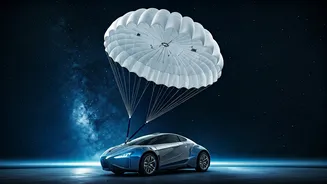
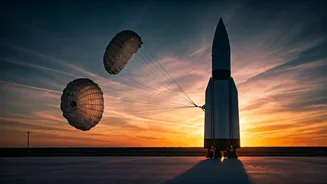
Think of SOLVE as a dedicated test platform. Its purpose is to launch the Gaganyaan crew module to an altitude between 10 and 17 kilometres and then separate from it. This will allow ISRO to repeatedly test the complex parachute deployment sequence in real-world conditions. The system involves a series of 10 parachutes that must deploy in a precise sequence to slow the crew module down for a gentle splashdown in the ocean. By creating the SOLVE vehicle, ISRO gives itself greater flexibility to simulate various flight scenarios and ensure the parachute system is robust and reliable under all possible conditions.
Building on Proven Technology
To create this new test vehicle, ISRO ingeniously modified an existing, reliable piece of hardware: the solid strap-on motors used in its workhorse Polar Satellite Launch Vehicle (PSLV). However, the motor was not simply repurposed; it was significantly altered to meet the specific needs of the Gaganyaan tests. These modifications include developing a slower-burning propellant and adding a new thrust vector control system to steer the vehicle. This approach of adapting proven technology is a hallmark of ISRO's engineering philosophy, allowing for faster development while maintaining high standards of reliability.
The Broader Gaganyaan Picture
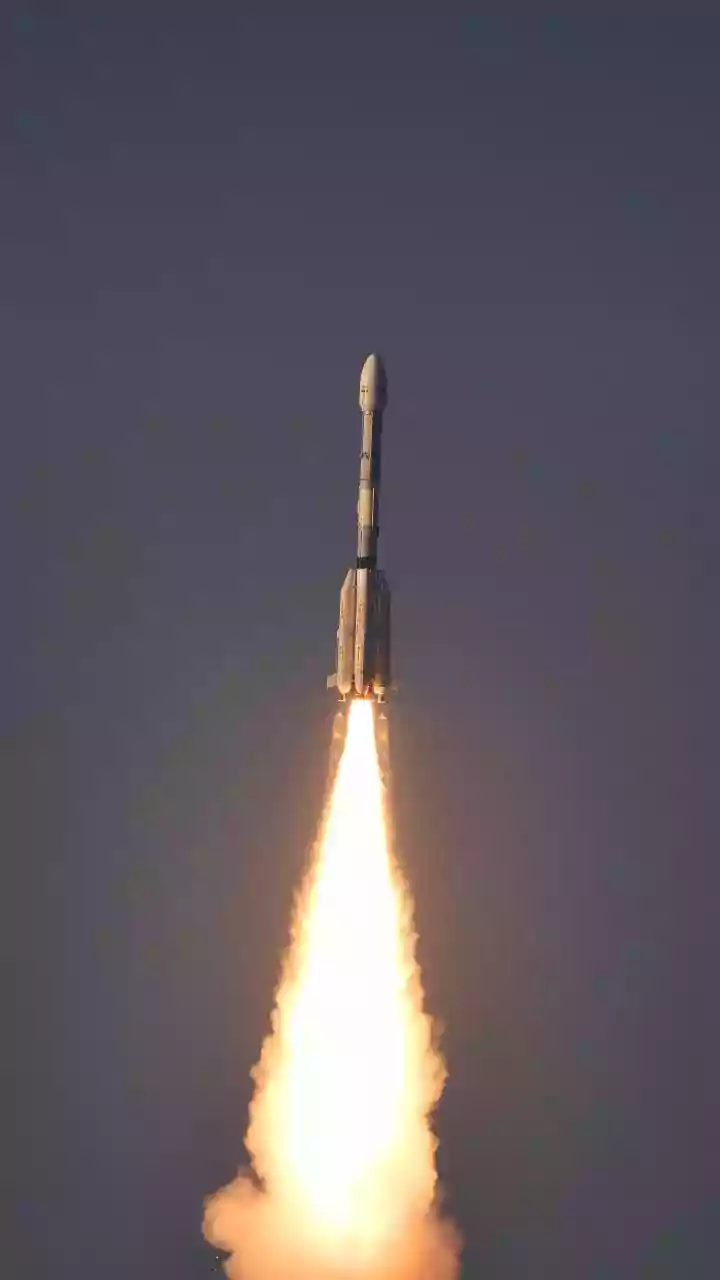
This test is one of thousands being conducted to ensure the success and safety of India's first human spaceflight mission. The Gaganyaan programme aims to launch a crew of three astronauts into a 400-kilometre orbit for a three-day mission and bring them back safely. The launch vehicle for the main mission will be the human-rated LVM3 rocket, a much larger and more powerful rocket than SOLVE. The LVM3's own solid rocket boosters, known as HS200, have also undergone extensive testing. Every successful test, from the massive launch boosters to the smaller but equally vital test vehicles like SOLVE, builds confidence and moves India closer to joining the elite group of nations capable of independent human spaceflight.