



A Once-in-a-Century Discovery
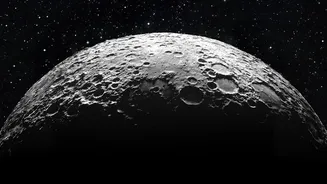
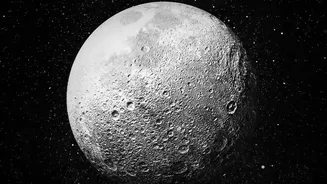
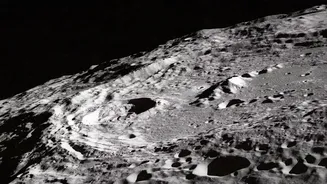
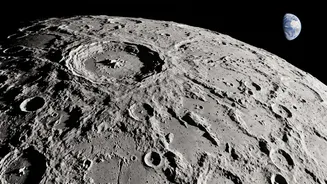
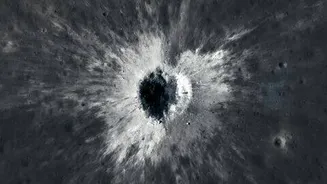
Scientists have named the feature McGetchin crater, after the late lunar scientist Thomas McGetchin. It measures approximately 728 feet (222 meters) across and 141 feet (43 meters) deep, making it larger than the Roman Colosseum. The impact is believed
to have occurred sometime between April and May of 2024, when an object the size of a three-to-six-story building slammed into the Moon. An impact of this magnitude is exceptionally rare, estimated to happen only about once every 132 years, making this a once-in-a-lifetime opportunity for researchers. The discovery itself happened by chance when a scientist reviewing images from NASA's Lunar Reconnaissance Orbiter (LRO) noticed a large, bright spot that wasn't there in previous scans.
An Impact Zone Over 100 Kilometres Wide
The sheer force of the collision did more than just carve a hole. The headline-making detail is the sheer scale of the disturbance, which extends far beyond the crater's rim. The impact event violently churned the lunar surface across an area more than 100 kilometres (over 66 miles) wide. Dust and rocky soil from beneath the surface were blasted outwards. According to Mark Robinson, the chief scientist for the LRO camera system, this material was thrown out at a higher angle than scientific models had predicted, offering new insights into the physics of lunar impacts. This massive debris field, known as an ejecta blanket, is a key focus for scientists studying the event.
Reading the Aftermath
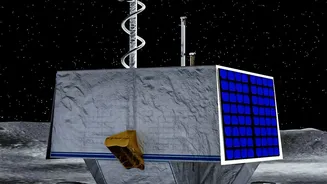
The long-running LRO mission, which has been mapping the Moon for over 17 years, was crucial to understanding McGetchin crater. Because the orbiter had images of the location before the impact, scientists have a unique before-and-after comparison. Follow-up observations revealed even more subtle changes. An instrument aboard the LRO detected a seven-kilometre-wide “cold spot” around the crater. This thermal anomaly, about 16 degrees Fahrenheit cooler than its surroundings, suggests the impact decompacted, or “fluffed up,” the lunar soil, making it less able to retain heat. One scientist compared the process to gardening, as the impact effectively churns deep sediments to the surface.
Why This Crater Matters for Future Missions
While a fascinating discovery in its own right, McGetchin crater also serves as a valuable, and somewhat sobering, lesson for future lunar exploration. Unlike Earth, the Moon has virtually no atmosphere to burn up or slow down incoming asteroids and comets. This crater provides a real-world model of the risks that future lunar bases and astronauts will face. The finding that debris can be thrown such a great distance—over 100 kilometres—is a critical data point for engineers designing habitats and equipment for long-term stays on the Moon. Understanding the frequency and effects of such impacts is essential for ensuring the safety of the next generation of lunar explorers as NASA plans for a sustained human presence there.