






What is Operation Economic Outcast?
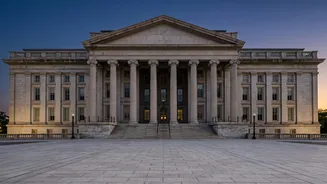
Announced on Monday by U.S. Treasury Secretary Scott Bessent, Operation Economic Outcast is an aggressive escalation of economic pressure designed to sever Iran's remaining connections to the global financial system. Described as an "economic D-Day,"
the initiative is not just another round of sanctions. It represents a coordinated push involving the U.S. Treasury, State Department, and military to pressure third-country institutions into cutting all ties with Iran. The stated objective is to eliminate every economic lifeline that sustains the Iranian regime, effectively making it a pariah in the world economy.
The New Sanctions Crosshairs
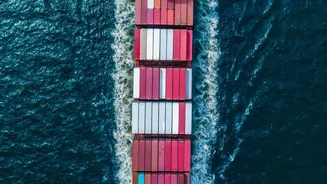
This operation significantly expands the scope of secondary sanctions, meaning non-US entities can be penalised for dealing with Iran. The Treasury has specifically targeted five sectors of the Iranian economy: aviation, shipping, gold, technology, and digital assets. More than 60 global entities, individuals, and vessels have already been designated in connection with illicit procurement, cyber operations, and oil revenue generation. The warning from Secretary Bessent was stark: any entity found facilitating money laundering for Iran risks being completely cut off from the U.S. dollar system, a death sentence for any international financial institution. This places the compliance departments of banks from Europe to Asia on high alert, as even indirect exposure could have severe consequences.
Why This Is Happening Now
According to the White House and Treasury officials, this campaign is the financial endgame of a broader strategy against Iran. The move follows what the administration describes as successful military operations that have crippled Iran's military and nuclear capabilities. With direct negotiations stalled, the U.S. is returning to a "maximum pressure" economic campaign to create leverage. The timing also coincides with a period of extreme economic distress within Iran, with its currency, the rial, hitting record lows against the dollar, a situation the U.S. hopes to exacerbate to force a change in Tehran's policies.
The Ripple Effect for Global Finance
The implications for global banks and trading houses are immense. The broad and aggressive nature of Operation Economic Outcast creates a significant compliance minefield. Financial institutions must now scrutinize their exposure not just to Iran directly, but to any entity in any country that might be acting as an intermediary. Secretary Bessent has explicitly stated that "no one is above the reach of U.S. sanctions" and indicated a major announcement targeting a financial institution could come by the end of the week. This threat forces banks to re-evaluate their risk appetite, potentially leading to a pullback from entire regions or business lines deemed too risky. The cost of compliance is set to skyrocket as firms invest in more sophisticated monitoring to avoid being caught in the dragnet.
International Reaction and What's Next
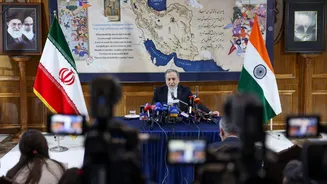
The unilateral nature of the U.S. action has drawn criticism. China, a key trading partner for Iran, has warned that such pressure tactics will only lead to escalation and has vowed to protect its interests. Iran has responded defiantly, with one senior official stating that if the "economic war" continues, no oil will be exported through the Strait of Hormuz. Experts are divided on the ultimate effectiveness of the operation, with some noting that Iran has decades of experience in adapting to sanctions by using alternative financial channels. However, the explicit threat to cut violators off from the dollar system represents a powerful tool that the global financial community cannot ignore. The world is now watching to see how far the U.S. is willing to go in penalizing non-compliance, particularly when it involves major players in allied nations.