






The Foundation: Macronutrients
To build muscle, you need to be in a slight caloric surplus, meaning you consume more calories than you burn. These calories should come from the three macronutrients: protein, carbohydrates, and fats. A common starting ratio for muscle gain is having
40-50% of your calories from carbs, 30-35% from protein, and 20-30% from fats. Protein is crucial for repairing and building muscle tissue. Experts suggest a daily intake of about 1.6 to 2.2 grams of protein per kilogram of body weight for those looking to maximize muscle growth. Carbohydrates are your body's primary energy source, fueling your workouts and replenishing glycogen stores in your muscles. Healthy fats are essential for hormone production and overall health.
Meal Frequency and Timing
While the total amount of protein you consume daily is most important, distributing it throughout the day can optimize muscle protein synthesis, the process by which your body builds muscle. Aim to eat every 3 to 5 hours, which typically translates to three main meals and one to three snacks. This approach helps maintain a steady supply of amino acids to your muscles. Consuming a meal with both protein and carbohydrates 1.5 to 3 hours before your workout can provide sustained energy. After your workout, a meal or snack within a couple of hours helps with recovery and muscle repair.
A Sample Daily Meal Structure
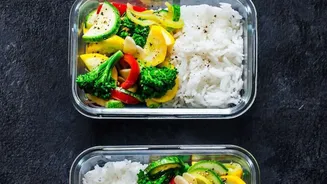
Here is a sample structure you can adapt to your preferences and schedule: Breakfast (7 AM): Start your day with a protein-rich meal to kickstart muscle protein synthesis, which slows overnight. A combination of eggs and oatmeal or a Greek yogurt parfait are great options. Morning Snack (10 AM): A small, protein-focused snack like a handful of almonds or a piece of fruit with peanut butter can tide you over until lunch. Lunch (1 PM): A balanced meal of lean protein, complex carbohydrates, and vegetables is ideal. Think grilled chicken with brown rice and broccoli. Pre-Workout Snack (4 PM): If you work out in the afternoon, a light snack like a banana with a small protein shake can give you the energy you need. Dinner (7 PM): Similar to lunch, focus on a combination of protein, carbs, and veggies. Salmon with sweet potato and asparagus is a nutrient-dense choice. Optional Evening Snack: If you're still hungry, a slow-digesting protein source like cottage cheese before bed can help with overnight muscle repair.
Essential Foods for Your Pantry
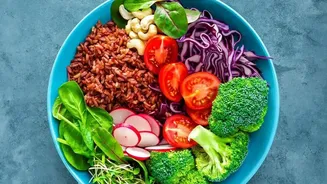
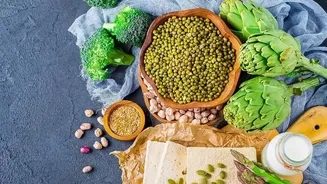
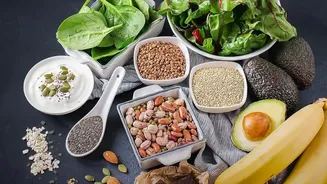
Stocking your kitchen with the right foods makes sticking to your plan easier. For protein, consider lean meats like chicken breast and lean beef, fish such as salmon and tuna, eggs, and dairy products like Greek yogurt and cottage cheese. Plant-based options include lentils, beans, and tofu. Good sources of complex carbohydrates include oats, brown rice, quinoa, and sweet potatoes. For healthy fats, incorporate avocados, nuts, seeds, and olive oil. And don't forget a variety of vegetables for essential vitamins and minerals.
Don't Forget Hydration
Hydration is a critical, yet often overlooked, component of muscle growth. Your muscles are about 75% water, and even mild dehydration can impair performance, reduce strength, and hinder protein synthesis. Water is essential for transporting nutrients to your muscle cells and flushing out waste products. Aim to drink water consistently throughout the day, not just during your workouts. A general guideline for active individuals is to consume around 13 cups daily for men and 9 cups for women, with increased intake on training days.