





The monotonous hum of the highway, the blur of fields, and the endless stretch of asphalt—any long road trip in India is defined by its pit stops. On the route from Delhi to Lucknow, one such stop has achieved legendary status.
The Sweet Oasis of Maigalganj
Maigalganj, a seemingly
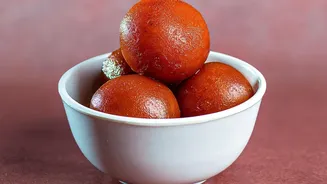
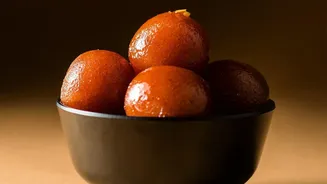
nondescript village in Uttar Pradesh's Lakhimpur Kheri district, is an unlikely culinary hotspot. Yet, for anyone who travels along National Highway 24 (now part of NH-9), this place is a mandatory halt. The reason is singular and sweet: gulab jamun. A stretch of the highway, barely half a kilometre long, is lined with dozens of shops, all dedicated to this iconic Indian dessert. The air hangs heavy with the scent of sugar syrup and frying khoya, a siren call to weary travellers. It's a ritual for buses and cars to pull over, allowing passengers to stretch their legs and indulge in a treat that has defined this village for generations.
A Tradition Born on the Highway
The story of Maigalganj's fame reportedly began in 1941. A vendor named Dhanpal set up a small shop, though some accounts suggest it was an even humbler hut. At a time when the roads were largely undeveloped, he began selling gulab jamuns to the few travellers who passed by. The sweet, made with high-quality local khoya (milk solids), quickly gained a reputation for its unparalleled taste. By the 1970s, as traffic on the highway grew, Maigalganj had become synonymous with gulab jamuns. More shops opened, many run by families who have been in the business for decades, creating a unique micro-economy centred entirely around this one dessert.
What Makes It So Special?
The secret to the Maigalganj gulab jamun lies in its freshness and traditional preparation. The sweets are made using pure khoya, mixed with a bit of flour, and kneaded into a soft dough. These balls are then fried to a perfect golden brown before being plunged into a fragrant sugar syrup. The art is in achieving the 'ek-taar' or 'one-string' consistency in the syrup, ensuring it’s absorbed perfectly without making the jamun fall apart. Served piping hot, often in traditional earthen bowls called kullads, they are incredibly soft and spongy, melting in your mouth. This commitment to quality and freshness is what distinguishes them from mass-produced versions.
Finding the Authentic Taste
As you approach the cluster of shops, you'll notice a peculiar sight: many of them share a variation of the same name, such as 'Mashoor Gulab Jamun Ki Dukan' (Famous Gulab Jamun Shop). This reflects a unique sense of community rather than competition; the fame belongs to the village as a whole. While the original shop, Dhanpal Misthan Bhandar, is still a popular choice, most locals and seasoned travellers agree that you can't go wrong with any of the established vendors. The collective focus is on upholding the town's reputation. Whether you stop at Balaji Misthan Bhandar or Sri Ganesh Mishthan Bhandar, you are participating in a tradition that has turned a simple village into a landmark.