



The World’s Critical Chokepoints
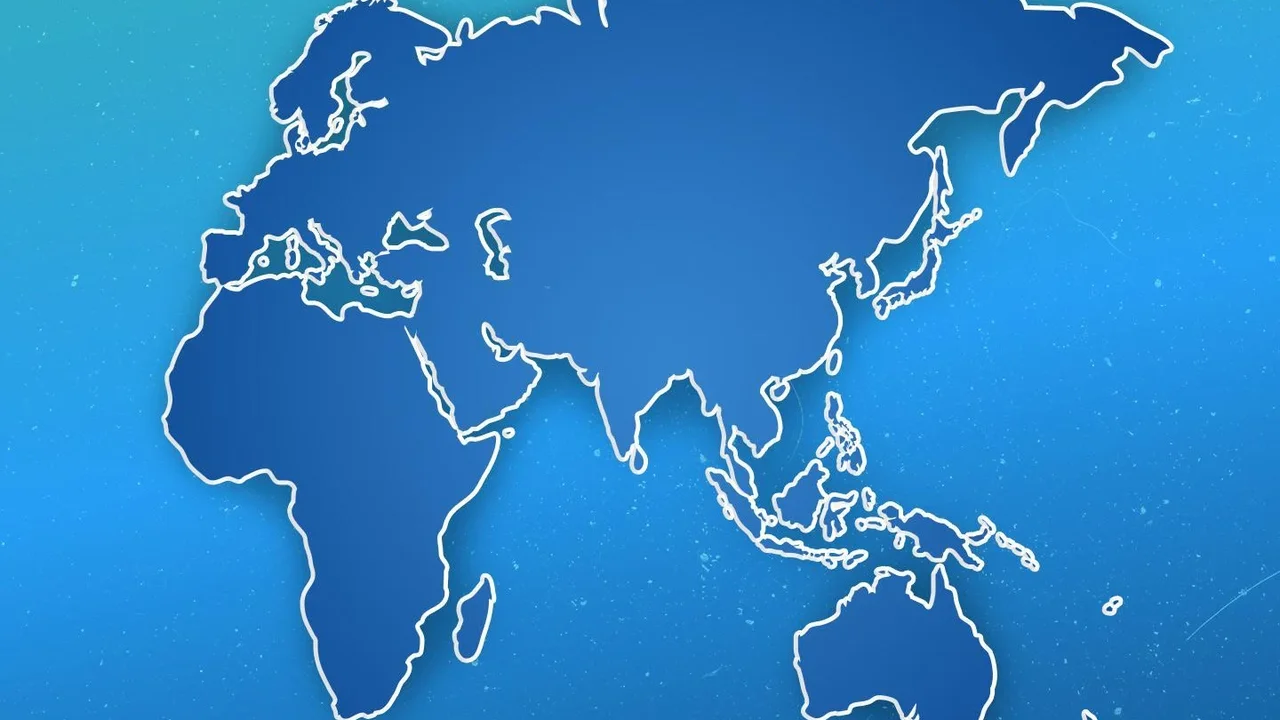
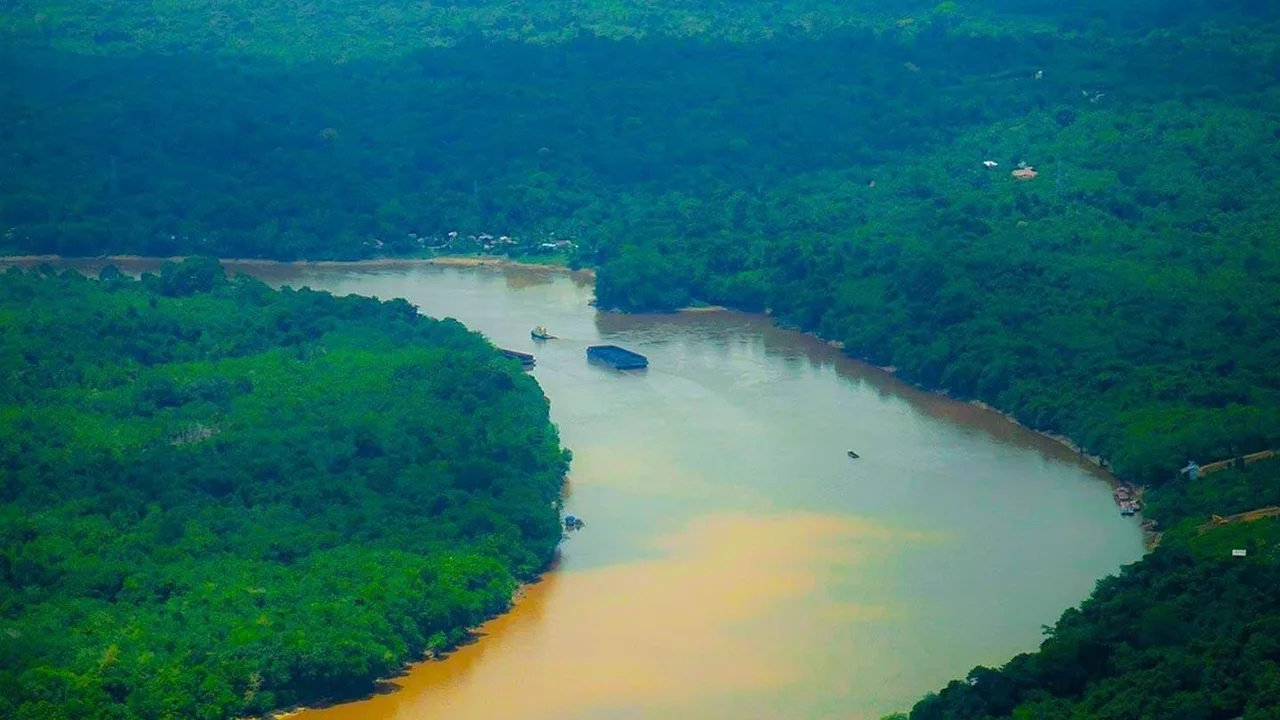
The Strait of Hormuz connects the Persian Gulf to the Arabian Sea and is the world's most vital waterway for oil. At its narrowest, it is just 39 kilometres wide. The Bab el-Mandeb, or "Gate of Tears," is an 18-mile-wide strait between Yemen and the Horn
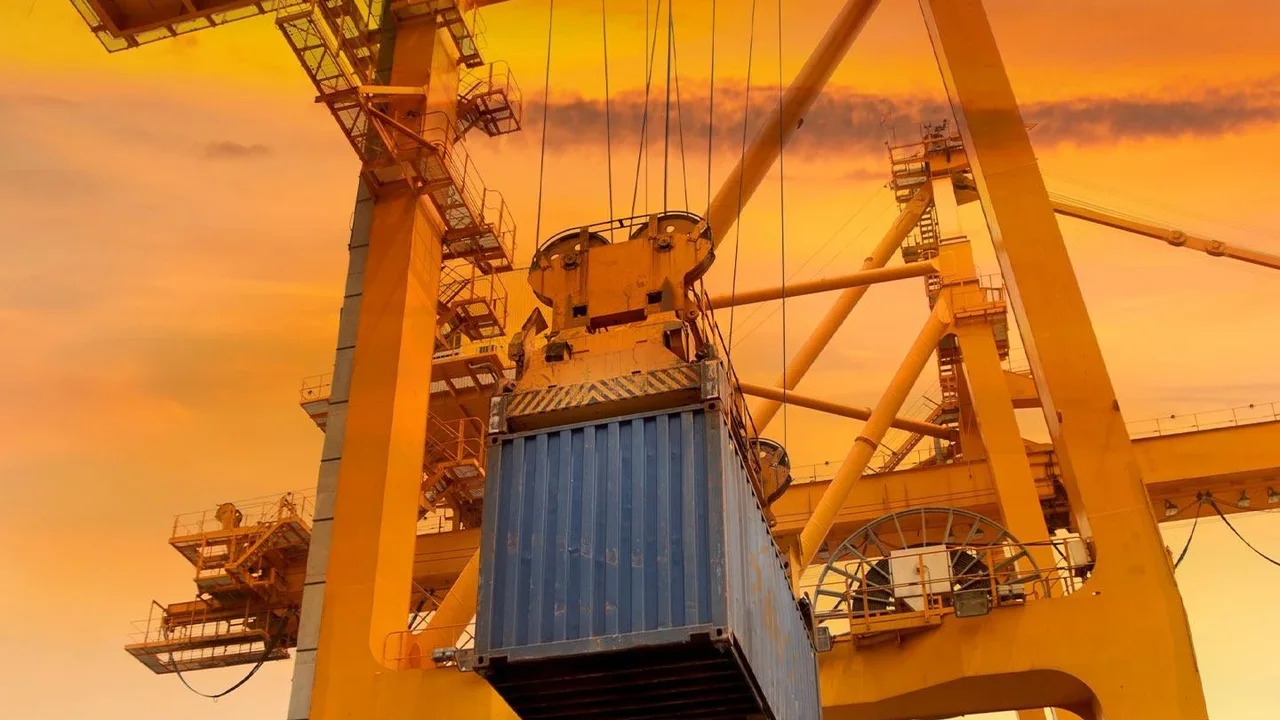
of Africa, linking the Red Sea to the Indian Ocean. It serves as the southern gateway to the Suez Canal, a primary route for trade between Asia and Europe. A significant portion of global trade, including an estimated 30% of container shipping, relies on these passages. Recent geopolitical tensions and conflicts in the Middle East have repeatedly threatened passage through both straits, creating a scenario of a 'double chokepoint' disruption.
India’s Energy Lifeline
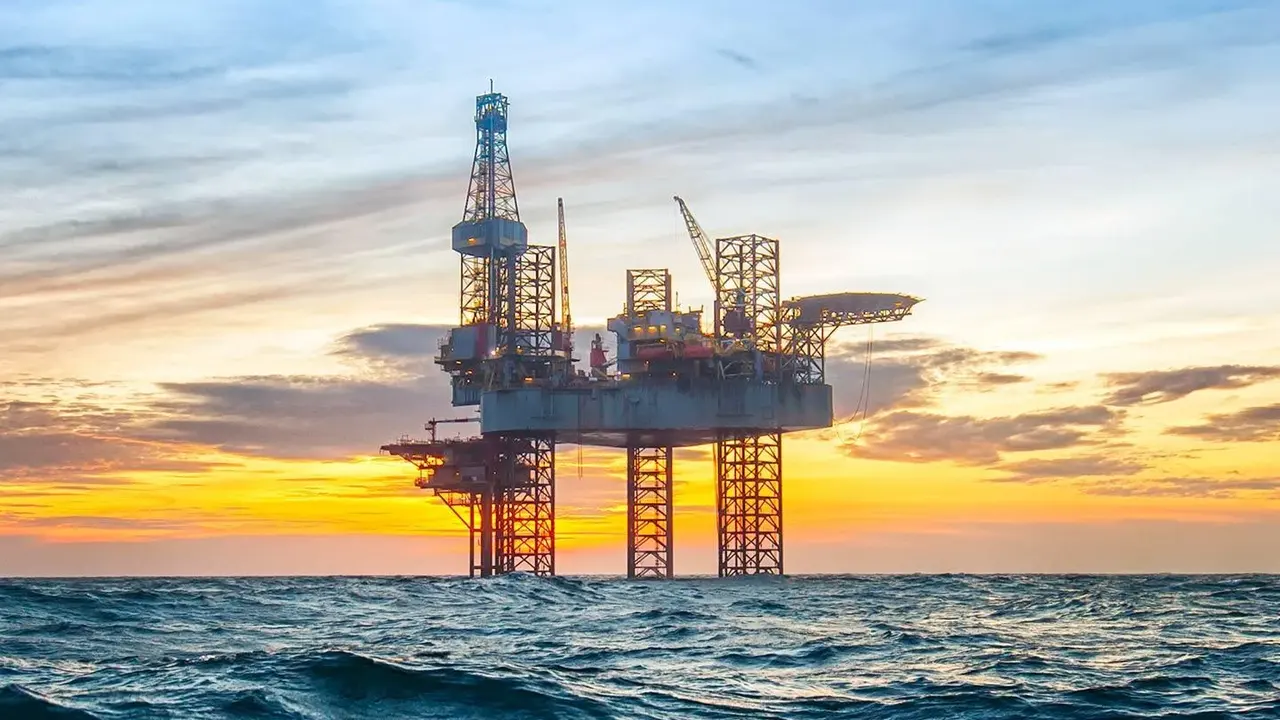
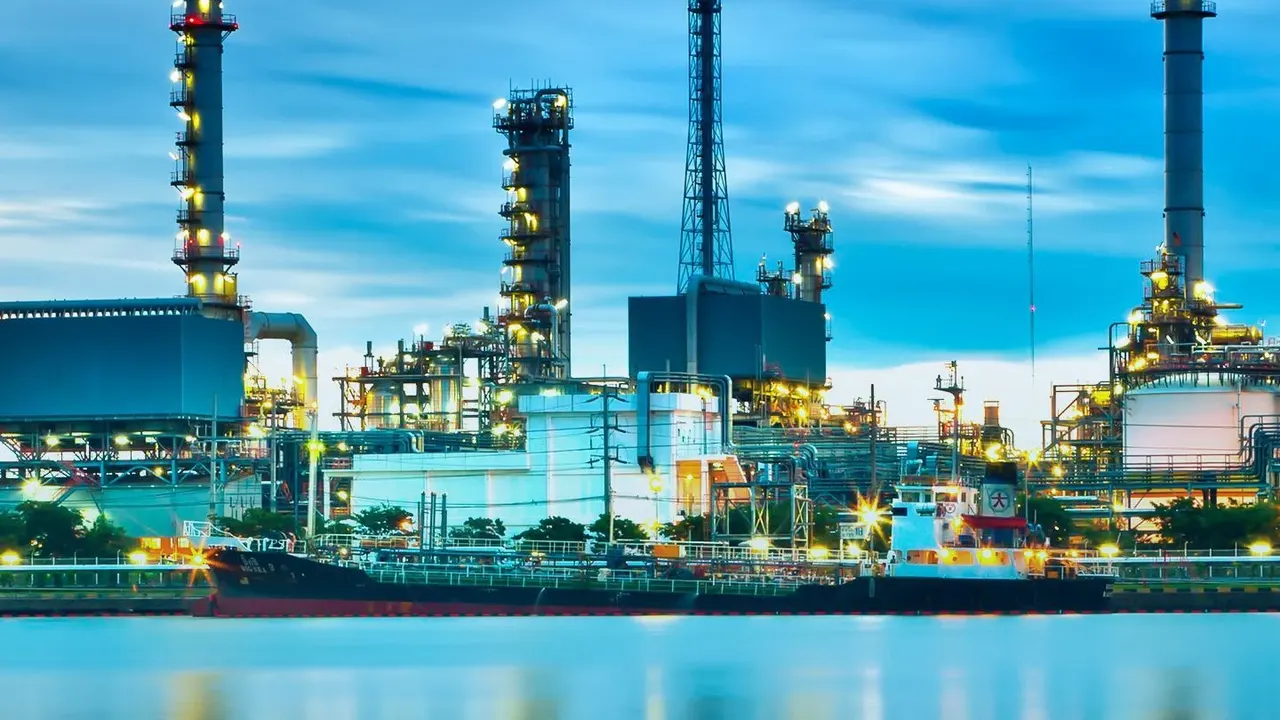
For India, which imports over 85% of its crude oil, these straits are lifelines. A substantial share of India’s energy supplies, including an estimated 40% of its crude and over 50% of its liquefied natural gas (LNG), transits the Strait of Hormuz, primarily from suppliers like Iraq, Saudi Arabia, and Qatar. Disruption here directly threatens fuel for vehicles, feedstock for fertiliser production, and the supply of LPG for over 330 million households. While India has diversified energy sources, including increased imports from Russia, a simultaneous crisis at both Hormuz and Bab el-Mandeb would severely strain global supply, impacting nearly a quarter of the world's oil and gas. This could trigger a severe energy shock for the entire Asian continent.
The Soaring Cost of Insurance
When ships navigate high-risk areas, standard marine insurance is not enough. Shippers must purchase separate 'war risk' insurance to cover perils like conflict, piracy, or terrorism. As geopolitical tensions rise, so do these insurance premiums. In response to recent conflicts, war risk premiums for routes via the Red Sea have reportedly soared by over 1,000%. These costs, which can amount to hundreds of thousands of dollars per voyage, are not absorbed by shipping companies. They are passed on to their customers through surcharges, which ultimately means higher costs for businesses and consumers who rely on imported goods.
Trade Balance and Economic Shock
The impact of a dual chokepoint crisis extends far beyond the petrol pump. For India, higher energy import bills put immense pressure on the national economy. A sustained rise in crude oil prices can widen the Current Account Deficit (CAD), stoke inflation, and increase depreciation risks for the rupee. Economic estimates suggest that for every $10 increase in global oil prices, India's GDP growth could be reduced by up to 0.2 percentage points. Furthermore, rerouting ships around Africa's Cape of Good Hope to bypass the Red Sea adds 10-14 days and over a million dollars in fuel costs to a single round trip, inflating the price of all goods, not just energy.