






What Exactly Has Changed?
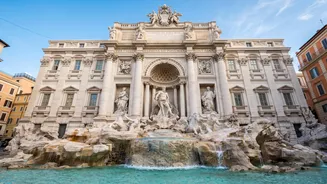
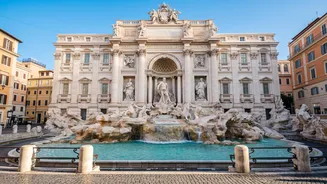
Since early 2026, visitors who want to descend the steps to the basin of the Trevi Fountain must purchase a ticket. The fee for this close-up experience is a modest €2. This charge applies to tourists and non-residents during peak hours, generally from
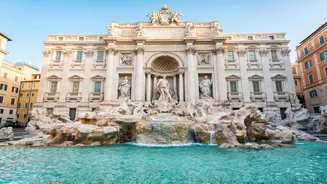
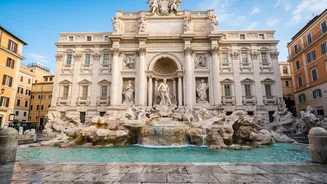
9 a.m. to 10 p.m. daily. Access remains free for residents of Rome, children under six, and visitors with disabilities. Importantly, viewing the fountain from the surrounding piazza is still completely free, so you don't have to pay just to see the monument. The new system is designed to manage the flow of people, allowing ticketholders to get near the water's edge for that iconic photo and coin toss without the intense crush of crowds that had become the norm.
A Response to Overwhelming Crowds
The decision wasn't made lightly. For years, Rome has struggled to protect the 18th-century landmark from the sheer volume of visitors. Before the change, the area was frequently overwhelmed, with reports of up to 4.4 million visitors in a single year. This level of traffic not only diminished the experience but also posed a risk to the fragile marble structure. Incidents of tourists sitting on the monument, eating and drinking, and even attempting to swim in the fountain like in the film 'La Dolce Vita' became increasingly common, requiring a constant police presence. City officials have framed the paid access as a necessary measure for preservation and crowd control, ensuring the fountain can be enjoyed more safely and sustainably.
The Price of a Priceless View
While many tourists have accepted the small fee as a reasonable price for preserving history, the change has sparked debate. Some visitors feel that a public monument should remain entirely free, arguing that commercializing access changes the spontaneous magic of the experience. However, the revenue generated—estimated to be significant—is earmarked for the fountain's maintenance and the upkeep of other cultural sites in the city. Interestingly, there has been an unforeseen side effect: a noticeable drop in the number of coins tossed into the fountain. The charity Caritas, which receives the coin money to fund social projects, reported a significant decrease in donations in the months following the introduction of the fee.
Is This the Future of Tourism?
Rome's move is part of a broader European trend. Historic cities from Venice, which introduced its own entry fee for day-trippers, to other popular destinations are grappling with how to balance a welcoming spirit with the urgent need to protect their heritage from overtourism. The 'pay-to-preserve' model, once controversial, is becoming a standard tool in the urban management playbook. These measures signal a fundamental shift in the relationship between tourists and the destinations they visit. The era of unchecked access to the world's most famous sites may be drawing to a close, replaced by a more structured and, cities hope, more sustainable model of tourism.