






A Crackdown Shakes the City
In recent weeks, Maharashtra's Food and Drug Administration (FDA), under the leadership of Commissioner Tukaram Mundhe, has launched an unprecedented enforcement campaign. This has involved thousands of inspections across the state, with a significant
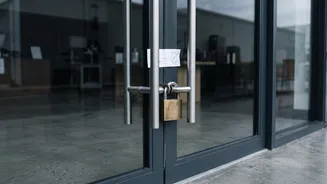
focus on Mumbai's bustling food scene. The raids have been swift, unannounced, and have targeted a wide range of establishments, from iconic century-old eateries and luxury clubs to outlets of international fast-food chains like McDonald's and Domino's. The FDA has suspended the licences of dozens of establishments for severe violations, ordering them to cease operations until they comply with safety standards. The public nature of the campaign, often involving the release of photos and videos of unsanitary conditions, has sent a clear message: business as usual is over.
What Are Inspectors Finding?
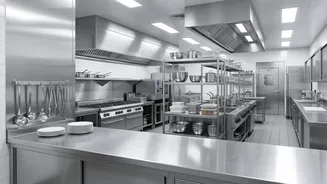
The violations uncovered by the FDA paint a grim picture of the conditions inside some kitchens. Inspectors have reported a shocking list of issues, including live rodents, dead cockroaches, and flies in food preparation areas. Other common findings include thick layers of grease on floors and walls, dirty and rusted utensils, and the improper storage of raw materials, with raw meat and cooked food often kept in close proximity without proper separation. Perishable items like eggs have been found stored at room temperature, creating a risk of microbial growth. Inspectors have also flagged the use of expired ingredients, the failure to test drinking water quality, and staff working without gloves or proper head coverings. These lapses breach the Food Safety and Standards Act, 2006, which sets the legal requirements for all food businesses.
More Than Just Raids: A Statewide Mandate
This crackdown is part of a broader “Safe Food, Safe Maharashtra” campaign that began when Commissioner Mundhe took charge in May 2026. In June, the FDA issued a comprehensive order applicable to all food businesses, including restaurants, caterers, bakeries, and even online food delivery platforms. The new rules are designed to shift the burden from simply holding a licence to actively proving safety compliance. Key mandates include providing free, safe drinking water to all customers, banning the use of non-food-grade materials like newspapers for packaging, and ensuring honest menu labelling with calorie and allergen information. Businesses are also now required to maintain detailed records for everything from raw material sources and pest control to staff medical fitness and regular testing of food and water from accredited labs.
The Industry Reacts with Caution
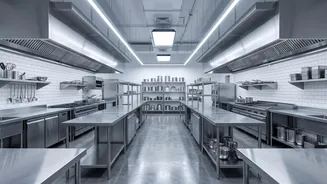
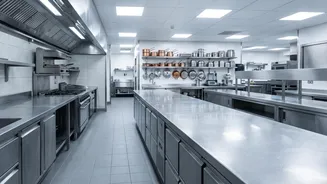
Restaurant associations like the NRAI and AHAR have publicly stated that they support the drive for higher hygiene standards. However, they have also voiced concerns about the FDA's methods, particularly the practice of naming and shaming establishments before the legal process is complete. They argue that premature public disclosures can cause irreparable reputational damage to businesses built over decades, threatening livelihoods even if violations are later rectified. Many owners feel the focus is more on punishment than prevention. In response to the intense scrutiny, many restaurant owners are not waiting for an inspection; they are proactively closing for renovations, retraining staff, and overhauling their kitchens to meet the stringent new standards, highlighting the significant impact of the campaign.
What This Means for Diners
For consumers, the FDA's crackdown is a welcome, if unsettling, development. It provides a rare look behind the kitchen door and empowers customers with new rights and information. Under the new regulations, you have the right to expect free and safe drinking water at any eatery. You should also look for a prominently displayed FSSAI licence, which is mandatory for all food businesses. The visible changes are already appearing, with some dishes like chicken lollipop and Manchurian looking paler as restaurants reduce their use of artificial colours to avoid FDA action. The message from authorities is that consumers also have a role to play by being vigilant and reporting unhygienic practices.