

Why More Protein Matters
Before diving into the 'how,' let's talk about the 'why.' Protein is a crucial macronutrient that aids in muscle repair, promotes feelings of fullness, and helps maintain stable energy levels. A standard pizza can sometimes leave you feeling sluggish
due to a high concentration of refined carbohydrates and fats. By intentionally increasing the protein content, you create a more balanced meal. This simple shift can help you stay full longer, preventing overeating and making your pizza experience more nourishing without sacrificing flavour.
The Foundation: Building a High-Protein Crust
The crust is the canvas of your pizza, and it's the first and best place to inject a serious protein boost. Many modern recipes offer simple ways to do this at home. One of the most popular methods involves a simple two-ingredient dough using self-rising flour and Greek yogurt. The yogurt not only adds significant protein but also creates a soft, chewy crust without the need for yeast or long rising times. Similarly, blended cottage cheese can be mixed with flour to create a dough that is both pliable and protein-rich. For those looking to experiment further, adding a scoop of unflavored whey or plant-based protein powder to your standard flour mix is another effective strategy. And for a gluten-free approach, crusts made from a base of chickpeas, paneer, or even moong dal offer a creative, nutrient-dense alternative.
Toppings That Pack a Punch
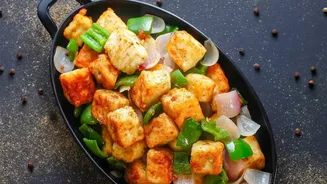
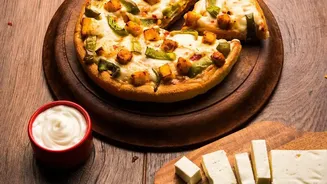
Toppings are the most straightforward way to elevate your pizza’s protein count. For meat-eaters, lean options like grilled chicken breast, turkey sausage, or even shrimp are excellent choices that add flavour without excessive fat. For vegetarians, the options are just as exciting and effective. Cubed and spiced paneer is a fantastic topping, providing a substantial protein boost and a satisfying texture that holds up well to baking. Other powerful plant-based choices include roasted chickpeas, tofu, or tempeh, which absorb marinades beautifully and can be crisped in the oven. Even adding cooked lentils or beans to your topping mix can increase both protein and fibre, making each slice more nutritionally dense.
Smarter Sauces and Cheeses
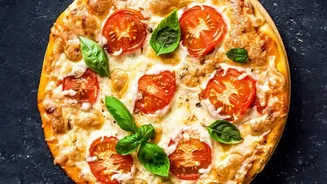
While the crust and toppings are the primary players, your choice of sauce and cheese can also contribute to a higher protein count. Cheese is already a natural source of protein, but you can be strategic. Part-skim mozzarella offers a good balance of meltiness and protein. Incorporating dollops of ricotta or even blending cottage cheese into your sauce can add creaminess and an extra protein layer. Speaking of sauce, a clever trick is to blend white beans or red lentils into your tomato base. This not only thickens the sauce but also adds hidden protein and fibre, making every component of your pizza work harder for your health.