







A Leap of Prestige
In a testament to its enduring appeal, the Taj Mahal Palace in Mumbai is the only hotel from India to make it into the prestigious top 50 list this year. Climbing from its 2025 ranking of No. 38, the hotel's new position at No. 30 marks a significant
ascent on a list that is considered one of the most definitive in the global hospitality industry. The annual ranking is compiled based on the votes of over 800 international experts, including travel journalists, hoteliers, and seasoned luxury travellers, giving it immense credibility. The 2026 list was unveiled at a glittering ceremony in Paris, with Asian hotels dominating the top spots, led by Rosewood Hong Kong at No. 1 for the second consecutive year.
A Legacy Etched in History
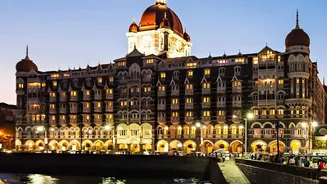
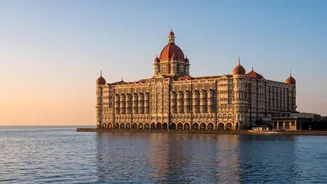
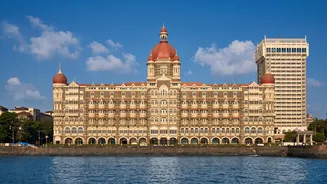
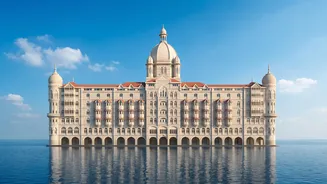
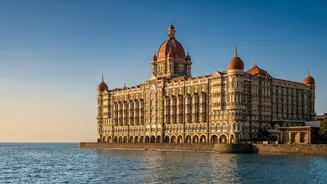
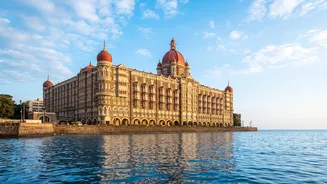
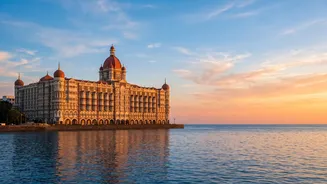
Opened in 1903, the Taj Mahal Palace is more than just a hotel; it is a historical landmark deeply woven into the fabric of Mumbai and India. It was commissioned by the visionary industrialist Jamsetji Tata, who sought to give Mumbai a grand hotel that would rival the best in the world. From its inception, it has been a pioneer, housing Mumbai's first licensed bar and India's first international discotheque. Over its 123-year history, it has hosted everyone from royalty and heads of state to global celebrities and freedom fighters, becoming a silent witness to the city's evolution. Its distinctive architecture, a blend of Moorish, Oriental, and Rajput styles, and its iconic dome have made it an inseparable part of the city's skyline opposite the Gateway of India.
The Soul of 'Tajness'
While its architecture and history are formidable, what truly sets the Taj apart is its philosophy of hospitality, often referred to as 'Tajness'. This ethos, rooted in the ancient Indian principle of 'Atithi Devo Bhava' (The guest is God), translates into an unparalleled level of personalised and intuitive service. It's an approach that has not only earned guest loyalty but also global recognition. In a separate ranking by Brand Finance, the Taj brand was named the 'World's Strongest Luxury Hotel Brand' for 2026, a testament to its powerful connection with guests. This commitment to service excellence is what transforms a stay from a simple transaction into a memorable experience, a key factor in its consistent high ranking.
A Symbol of Resilience and Pride
The hotel's journey has also been one of remarkable resilience. After the tragic terror attacks of November 2008, the world watched as the iconic landmark was damaged. However, like the city itself, the hotel rose from the ashes. It underwent a painstaking restoration and reopened, becoming a powerful symbol of Indian pride and defiance in the face of adversity. This resilience adds another layer to its story, making it not just a place of luxury but also a beacon of the nation's spirit. Today, its grand corridors, priceless art collection, and cantilevered staircase stand fully restored, continuing to welcome the world with grace.
India's Flagship on the World Stage
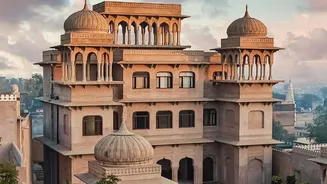
While the Taj Mahal Palace was the sole Indian property in the top 50, India's growing presence in luxury hospitality was noted in the extended 51-100 list. Jaipur's The Johri and Udaipur's The Oberoi Udaivilas were both featured, highlighting the country's diverse and high-quality offerings. However, the Taj's prominent position as the country's flagship hotel on the global stage is undeniable. Its consistent recognition helps shine a spotlight on India as a premier travel destination, demonstrating that homegrown hospitality can set global benchmarks. The accolade is not just a win for the hotel, but for the entire Indian tourism and hospitality industry.