







A Taste of Home, Miles Above Earth
For astronauts on long-duration missions, food is more than just fuel; it's a crucial link to home and a vital tool for psychological well-being. The Axiom-4 (Ax-4) mission, which carried Indian Air Force pilot Shubhanshu Shukla to the International Space
Station (ISS), embraced this philosophy by including traditional Indian foods on the menu. The initiative was spearheaded by India's Defence Food Research Laboratory (DFRL), which has been developing space-friendly meals for the country's own upcoming Gaganyaan mission. The goal was to provide Shukla, the second Indian in space after Rakesh Sharma, with familiar comfort foods that he could also share with his international crewmates. However, getting a meal from an Indian kitchen to an orbital laboratory is an immense scientific challenge.
The Gauntlet of Space-Food Approval
Before any food can be launched into orbit, it must pass a battery of stringent tests. The primary concerns are safety and practicality in a microgravity environment. Foods must have a long shelf life without refrigeration, often for a year or more. They need to be nutritionally balanced, often low in sodium to protect bone health, and processed to be free of harmful bacteria. The biggest physical challenge is crumb control. In zero gravity, floating crumbs can get into and damage sensitive equipment or be inhaled by astronauts. For this reason, foods must be dense, moist, and structurally sound. This is why many terrestrial favourites, like bread and other crumbly items, are often replaced with tortillas or specially formulated products. An extensive menu of Indian dishes, including khichdi and pulao, was initially prepared by DFRL, but most failed to clear the approval process in time.
First on the Menu: Gajar ka Halwa
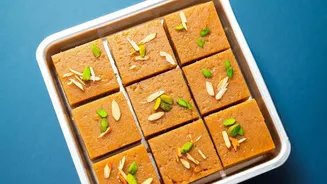
One of the three desserts to make the final cut was Gajar ka Halwa. This beloved carrot-based pudding was a strong candidate due to its dense, moist consistency. When prepared for space, its texture ensures it holds together, minimizing the risk of floating particles. DFRL specially formulated the recipe to be long-lasting and safe for consumption over an extended period, ensuring it retained its flavour even after being thermostabilized—a process similar to canning that makes food shelf-stable. The familiar, sweet taste of this winter classic provided a welcome moment of comfort for the crew.
A Close Second: Moong Dal Halwa
The second approved sweet was Moong Dal Halwa. This traditional dessert, made from lentils, ghee, and sugar, is known for being rich and energy-packed. Its dense, cohesive structure makes it an excellent choice for a zero-gravity environment. Highly digestible and packed with protein, it met the nutritional requirements for astronauts while providing a satisfyingly rich flavour. Astronaut Shubhanshu Shukla mentioned in a podcast that the Indian sweets were a huge hit with his crewmates—so much so that they finished them all, leaving none for him.
The Sweet Surprise: Aamras
The final item to be certified was Aamras, a sweet pulp or nectar made from mangoes. While a liquid might seem like a risky choice for space, Aamras was packaged using special technology, likely in a drink pouch with a straw, which is standard for beverages on the ISS. This method of packaging contains the liquid completely, preventing any spillage. The inclusion of mango, a fruit synonymous with Indian summers, offered a refreshing and flavourful taste of home. Along with the two halwas, these three desserts represented a significant achievement for DFRL, even though time constraints prevented a wider menu from being approved.