

The Standard: Classic Rava Upma
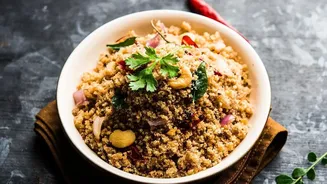
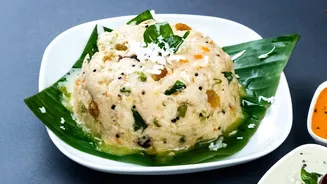
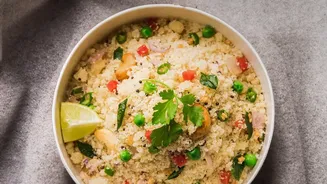
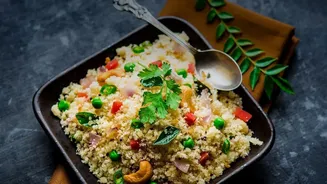
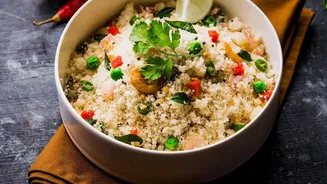
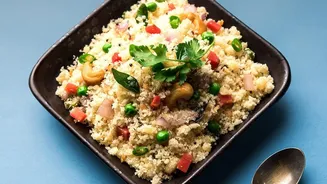
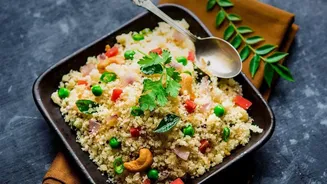
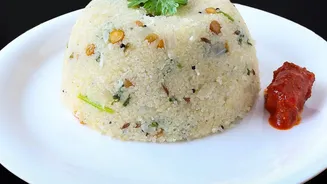
Before diving into the variations, it's worth appreciating the classic. The most common form of upma is made with dry-roasted semolina (rava or suji). The preparation is straightforward: a tempering of mustard seeds, urad dal, curry leaves, and sometimes
ginger and green chillies is prepared in oil or ghee. Onions are sautéed until translucent, followed by the roasted rava and hot water. The mixture is stirred continuously to prevent lumps, resulting in a fluffy, savoury porridge. It’s a simple, reliable, and beloved breakfast dish across the country, often served with a sprinkle of lime juice or a side of chutney. This version is the canvas upon which regional artists paint their unique culinary strokes.
Karnataka's Spicy Kick: Khara Bath
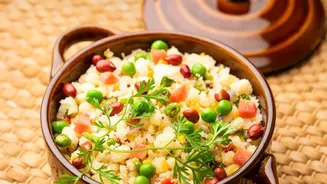
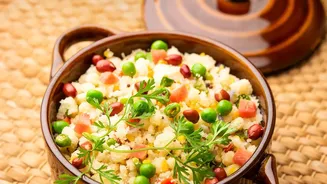
In Karnataka, upma is often known as Khara Bath and it packs a more flavourful punch. While structurally similar to the classic rava upma, its distinction lies in the use of a special masala powder, often the same one used for Bisi Bele Bath, which gives it a unique aroma and a spicy, savoury depth. Khara Bath is typically loaded with more vegetables like carrots, beans, and peas, making it a heartier meal. The texture is usually softer and more moist than its plainer cousin. It's famously served as part of a 'Chow Chow Bath', a popular combination platter where spicy Khara Bath is served alongside its sweet counterpart, Kesari Bath (a sweet semolina dish).
Maharashtra's Twist: Sanja
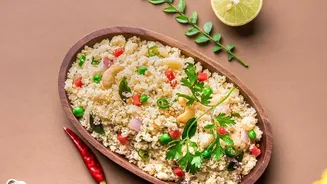
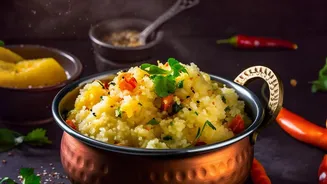
In Maharashtra, the local version of rava upma is called Sanja. What sets it apart is the inclusion of turmeric, which gives it a distinct yellow hue, and often the use of buttermilk or curd in addition to water. This lends a subtle tangy flavour to the dish. The tempering often includes peanuts, adding a delightful crunch. Sanja embodies the Maharashtrian preference for a complex flavour profile that balances savoury, tangy, and slightly sweet notes, often finished with a garnish of freshly grated coconut. It’s a comforting one-pot meal that is both wholesome and quick to prepare, making it a breakfast staple in the region.
Tamil Nadu's Grain Swap: Arisi Upma
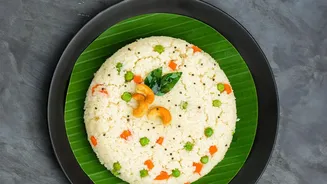
Moving away from semolina, Tamil Nadu offers Arisi Upma, made from coarse raw rice rava, sometimes combined with toor dal. This changes the texture entirely, resulting in a firmer, more granular dish compared to the soft fluffiness of semolina upma. The preparation is a hallmark of Tamil Brahmin cuisine and often involves a tempering in coconut oil, which imparts a distinctive aroma. The flavour profile is earthy and savoury, built on pepper, cumin, and curry leaves rather than a complex spice powder. Often served as an evening tiffin or on fasting days, Arisi Upma is comfort food that highlights the versatility of rice in South Indian kitchens.
The Quick Fix: Bread Upma
Not a regional specialty in the traditional sense but a popular modern adaptation across India, Bread Upma is the ultimate resourceful breakfast. It was born out of the need to use up stale or leftover bread. Cubed bread pieces are toasted until crisp and then tossed in a tempering of mustard seeds, onions, tomatoes, and spices like turmeric and chilli powder. The result is a flavourful and satisfying dish that comes together in minutes. Unlike semolina upma, it doesn't require precise water ratios or stirring to prevent lumps. It’s a versatile snack that can be customised with various vegetables and is often garnished with sev for extra crunch.
The Fasting Favourite: Sabudana Khichdi
While often considered a dish in its own right, Sabudana Khichdi shares the same structural soul as upma and is even called Sabudana Upma in some regions. Made from soaked tapioca pearls (sabudana), it’s a popular breakfast, especially during religious fasting periods. The preparation involves sautéing the soft, translucent pearls with boiled potatoes, roasted peanuts, green chillies, and cumin seeds. The key to a good Sabudana Khichdi is achieving a non-sticky texture where each pearl is distinct. The peanuts provide a wonderful crunch and nutty flavour, making it a uniquely textured and beloved dish across Western and Central India.