






More Than Just a Number
The fitness world has long been dominated by metrics. We track steps, count calories, and measure heart rates. While these numbers can be useful, they don’t tell the whole story. The wellness conversation is shifting from a purely quantitative approach
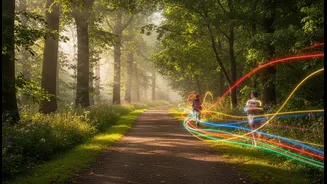
to a qualitative one. It’s an acknowledgment that how an activity makes you feel is just as important as the data it produces. This is especially true for an activity as simple and profound as walking. The environment in which you walk can dramatically alter its benefits, changing it from a monotonous task to a restorative practice. The focus is no longer just on physical health, but on mental and emotional rejuvenation. A walk is not just exercise; it's an experience.
The Power of Nature's Prescription
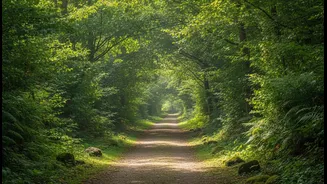
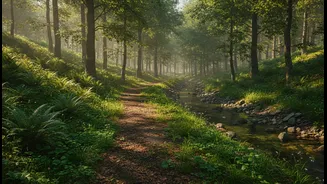
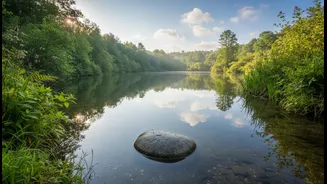
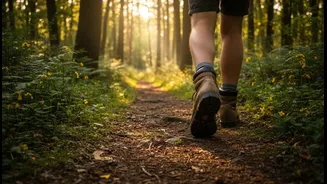
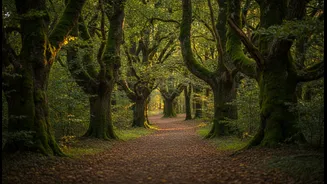
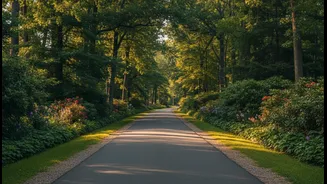
There's a reason a walk in the woods feels so restorative, and science backs it up. This practice, sometimes called 'green exercise', has been shown to have powerful effects on our minds. Studies consistently find that walking in natural environments can decrease negative moods like depression, anxiety, anger, and fatigue far more effectively than walking in urban settings. Research shows that time in nature lowers levels of cortisol, the body's primary stress hormone, promoting a state of calm. This is linked to what scientists call 'soft fascination', where the gentle, engaging environment of nature helps restore our capacity for directed attention, which gets drained by the demands of modern life. Even a short walk in a local park can improve mood and reduce rumination—the pattern of repetitive negative thoughts often associated with depression.
Finding Calm in the Concrete Jungle
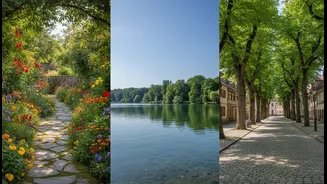
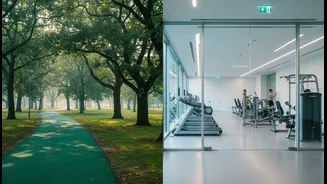
While a forest retreat is ideal, it’s not always accessible. But that doesn’t mean urban dwellers are left out. A city walk offers its own unique set of benefits. The key is to approach it with the right mindset. An urban walk can be a vibrant, sensory experience, connecting you to the energy and community of your surroundings. It provides an opportunity for discovery—finding a new cafe, admiring architecture, or simply people-watching. While urban environments can be overstimulating, they can also provide a sense of connection and engagement that a solitary nature walk might lack. The trick is to find pockets of peace, like a quiet side street or a small public square, and to walk with intention rather than just rushing from one point to another. It's about finding the restorative moments within the hustle.
The Case for Walking Indoors
The humble treadmill or indoor track often gets a bad reputation for being monotonous, but it serves a vital purpose. For many, indoor walking is the most practical and consistent option. It offers a safe, controlled environment, free from concerns about weather, traffic, or time of day. This reliability is crucial for building and maintaining a fitness routine. Modern treadmills also allow you to control variables like speed and incline, making for a highly structured and effective workout. While you may miss out on the fresh air and natural scenery, you can mitigate the monotony by listening to podcasts, watching a show, or joining a virtual walking class. Ultimately, the most effective workout is the one you actually do, and indoor walking removes many common barriers.
Try an 'Awe Walk'
A fascinating area of research explores the 'awe walk'. The concept is simple: take a 15-minute walk each week with the specific intention of noticing things that fill you with a sense of wonder. This could be the vastness of the sky, the intricate design of a flower, or the sheer scale of a skyscraper. A landmark study found that older adults who took these weekly awe walks reported increased positive emotions like joy and compassion, and a significant decrease in daily distress compared to a control group who just walked normally. The practice works by shifting your focus outward and making you feel like a small part of a larger, wonderful world. It promotes humility and social connection, powerful antidotes to stress and anxiety. It’s a simple mindset shift that can be applied to any walking environment, from a forest trail to a city block.