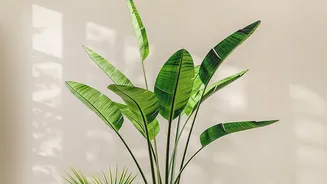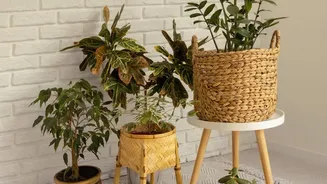




That lush monstera in your living room makes you feel good, and you've probably heard it's cleaning your air. But what if one of the most popular wellness claims about our leafy friends is more myth than reality?
The Green Lungs Myth
The idea that houseplants act as natural
air purifiers is a persistent and appealing one. It largely stems from a well-known NASA study from 1989. This research showed that plants, in a sealed, controlled chamber, could remove volatile organic compounds (VOCs) like benzene and formaldehyde from the air. The study was designed to explore life support systems for space stations. Over the decades, these lab-based findings were widely publicized and morphed into the popular belief that a few potted plants could effectively scrub the air in our homes and offices. This created a powerful image: a home filled with greenery is a home with pure, clean air. It’s a lovely thought, but unfortunately, it’s a significant oversimplification of the science.
What The Science Actually Says
When scientists took a closer look at the data in the context of a real home, the myth began to crumble. A 2019 review of decades of research concluded that houseplants have a negligible effect on indoor air quality. The problem is one of scale. While plants do absorb some pollutants, they do so at an incredibly slow rate. In a typical room with natural air flow from windows, doors, and ventilation systems, pollutants are diluted and removed far more quickly than a plant could ever manage. To replicate the cleaning power seen in the original NASA lab studies, you would need an absurd number of plants. Estimates suggest anywhere from 10 to 1,000 plants per square meter of floor space would be required to make a meaningful difference. That’s a jungle, not a living room. For a standard 1,500 square-foot home, this could mean needing almost 700 plants to have a noticeable effect.
The Real Solution: Ventilation
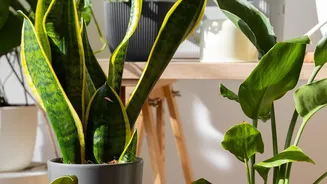
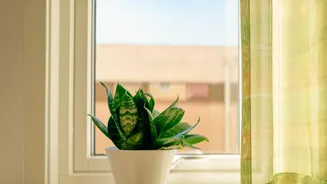
So, if your snake plant isn't up to the task, what is? The answer is simple and effective: ventilation. The most efficient way to reduce indoor pollutants is to exchange stale indoor air with fresh outdoor air. This can be as straightforward as opening your windows for 10-15 minutes a day to allow for natural airflow. Using exhaust fans in your kitchen and bathroom is also crucial for removing moisture and pollutants at their source. For those concerned about outdoor pollution or allergens, a high-quality air purifier with a HEPA filter is vastly more effective than any number of plants. These devices can filter huge volumes of air every hour, capturing particles and VOCs with an efficiency that houseplants simply cannot match. In fact, a single air purifier can be thousands of times more effective at removing pollutants than a single plant.
Don't Throw Out Your Ferns
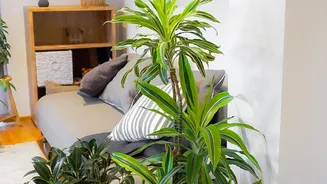
Just because houseplants are not the air-purifying powerhouses we once thought, doesn't mean they don't have a place in our homes. The benefits of indoor plants are real, they just lie in a different domain: our mental health. Numerous studies have shown that interacting with plants can reduce stress, lower anxiety, and improve our overall sense of well being. The presence of greenery has been linked to increased productivity and focus, making them great companions for a home office. Tending to plants can be a rewarding hobby that provides a sense of accomplishment and a tangible connection to nature, something especially valuable for those without access to outdoor garden spaces. The aesthetic beauty of plants can make a space feel more inviting, calm, and relaxing. So, while they might not be scrubbing the air, they are certainly lifting our spirits.