


A Revolution in the Making
World Space Week, an annual UN-declared event, commemorates two key dates in space history: the launch of Sputnik 1 on October 4, 1957, and the Outer Space Treaty on October 10, 1967. This year, the 'Rocket Revolution' theme focuses on the global shift
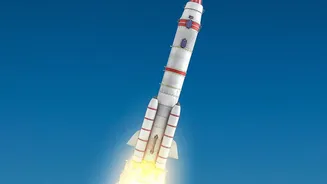
in space access, highlighting reusable rockets, lower launch costs, and the increasing role of commercial companies. For India, this theme resonates deeply. The country is witnessing an unprecedented transformation in its space capabilities, moving from a government-led model to a dynamic ecosystem brimming with private innovation. This revolution is not just about sending rockets into space; it's about making space more accessible, affordable, and integral to the national economy.
ISRO’s Next-Generation Ambitions
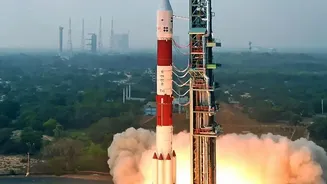
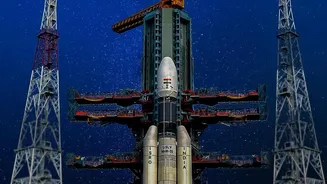
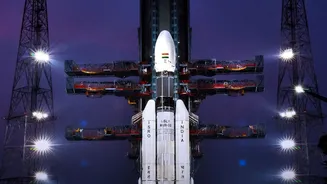
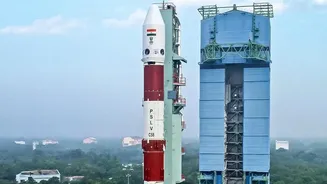
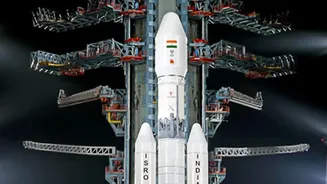
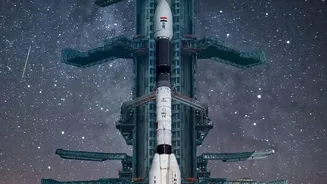
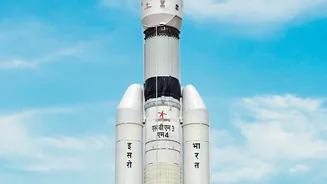
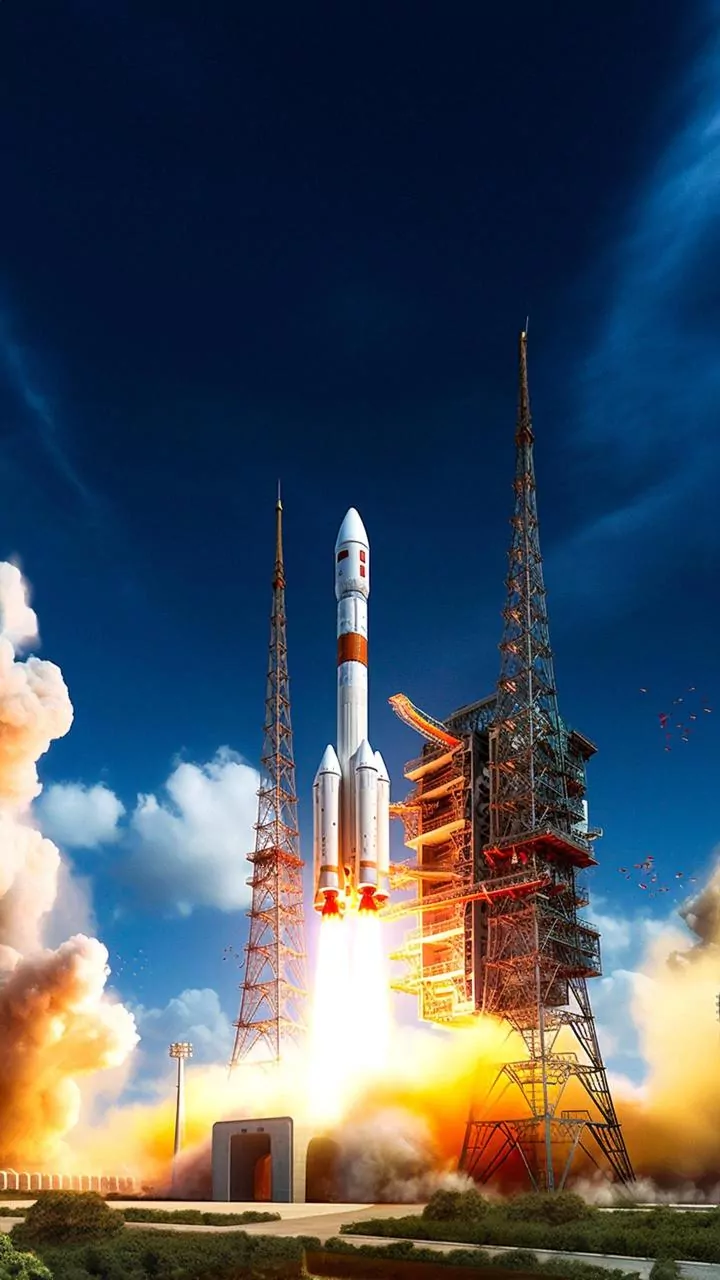
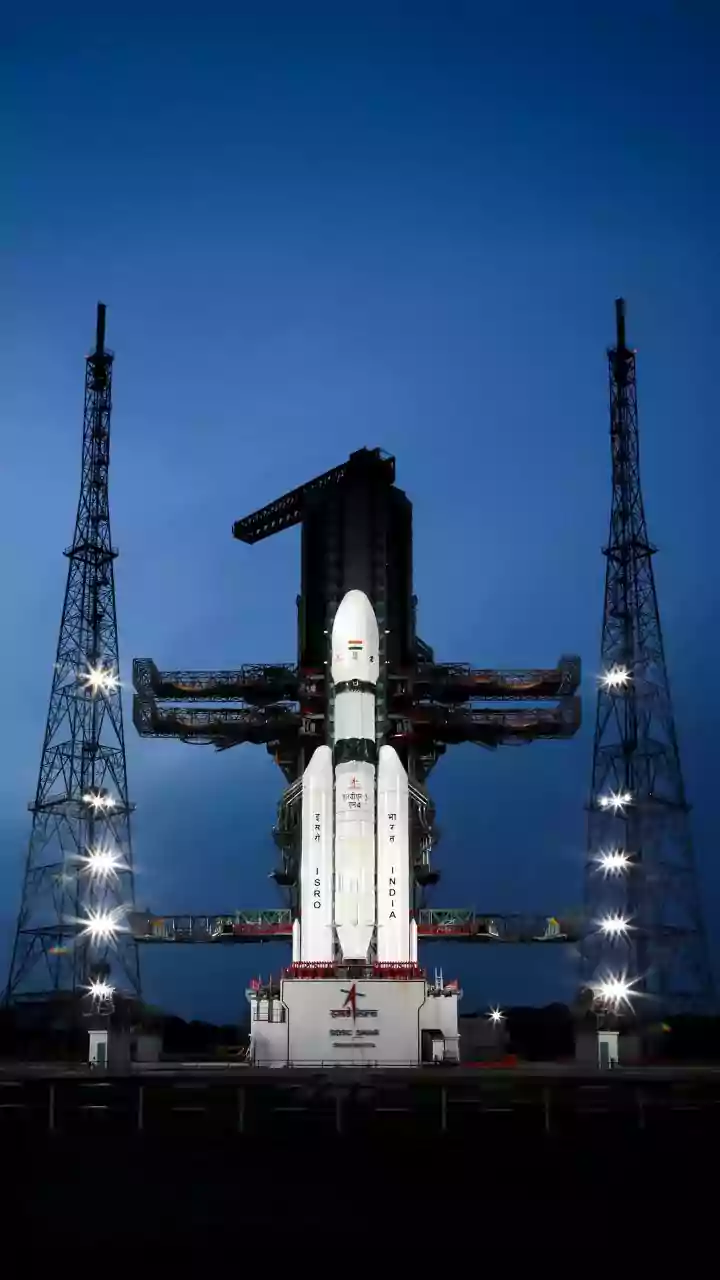
At the heart of this revolution is the Indian Space Research Organisation (ISRO), which is developing its powerhouse Next Generation Launch Vehicle (NGLV). Internally named 'Soorya', this heavy-lift rocket is designed to be partially reusable, a game-changer that promises to dramatically lower the cost of launching satellites and future missions. The NGLV is a modular and more powerful successor to trusted workhorses like the PSLV and LVM3. Its development is crucial for India’s most ambitious projects, including sending an Indian astronaut to the Moon by 2040 and establishing the Bharatiya Antariksh Station (BAS) by 2035. With a new launch pad approved to support it, the NGLV signals ISRO's strategic shift towards bigger, more complex missions that will secure India's place among the world's leading space powers.
The Rise of Private Rockets
The other critical engine of this revolution is India’s booming private space sector. Since the sector was opened to private participation in 2020, the number of space startups has soared from just one in 2014 to over 400 in 2026. Companies like Skyroot Aerospace and Agnikul Cosmos are at the forefront, developing their own launch vehicles. Skyroot's Vikram series of rockets and Agnikul's Agnibaan, which features the world's first single-piece 3D-printed engine, are set to offer customised, on-demand launch services for small satellites. This private-sector push is creating a competitive market, driving down costs, and providing more frequent access to orbit—a crucial element of the rocket revolution. With hundreds of millions of dollars in private investment flowing in, these companies are not just complementing ISRO but are building a robust commercial space industry from the ground up.
Why This Revolution Matters for India
The 'Rocket Revolution' is more than a matter of national pride; it holds immense strategic and economic importance. A stronger, more diverse launch capability makes India a highly competitive player in the global satellite launch market, an industry projected to grow significantly. For citizens, this translates into more advanced satellite-based services in communication, weather forecasting, disaster management, and navigation. Furthermore, this thriving space ecosystem is set to create high-tech jobs and inspire a new generation to pursue careers in science and technology. By fostering both public and private capabilities, India is building a self-reliant and resilient space programme that can drive economic growth and enhance its geopolitical standing. The 'Rocket Revolution' is fundamentally about securing India's future in an increasingly space-dependent world.