





The Daily Ritual We Know and Love
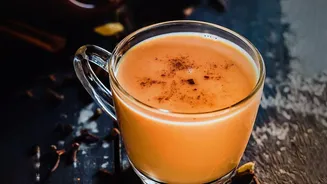
Across much of India, tea is synonymous with chai. It is a powerful brew, typically made from strong Crush, Tear, Curl (CTC) black tea leaves, boiled with milk, water, and often a generous helping of sugar and spices like cardamom, ginger, and cloves.
This 'masala chai' is more than a beverage; it is a ritual, a comfort, a jolt of energy from street-side stalls and in family kitchens. Its character is bold, malty, and assertive—designed to stand up to milk and spices, creating a rich and satisfying cup that warms from the inside out. This is the flavour profile that has defined the nation's tea habit for generations, a taste deeply woven into our cultural fabric.
A Journey to the Blue Mountains
Far to the south, nestled in the Western Ghats of Tamil Nadu, lie the Nilgiri Hills, or 'Blue Mountains'. Here, at some of the highest elevations for tea cultivation in the world, a different kind of magic happens. Tea has been grown here since the 1830s, when the British first experimented with planting Camellia sinensis seeds from China. The unique terroir—high altitude, fertile volcanic soil, and two monsoon seasons a year—creates conditions for year-round plucking and results in a tea with a remarkably consistent and distinct character. The cool mountain air, often scented with eucalyptus from surrounding groves, contributes to the tea’s unique aromatic profile.
The Scent of Southern Hills
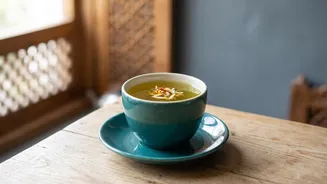
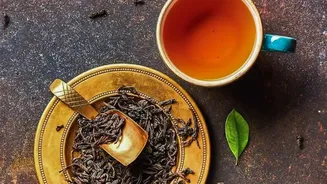
So, what makes Nilgiri tea so different? The first distinction is in its aroma and flavour. Unlike the malty strength of Assam tea or the complex 'muscatel' notes of Darjeeling, Nilgiri tea is celebrated for being intensely fragrant, brisk, and exceptionally smooth. Its liquor is a bright, clear golden-amber, and the taste is often described as having floral and citrus fruit notes. Because it has fewer tannins, it lacks the bitterness or astringency that can be present in other black teas. While the region does produce CTC tea for blending, its prized offerings are the orthodox, whole-leaf varieties that yield a much more delicate and nuanced cup. This is a tea that doesn't need to be tamed with milk and sugar; its character shines brightest when unadorned.
Brewing the Perfect Golden Cup
Embracing Nilgiri tea means rethinking the brewing process. Forget vigorously boiling it with milk. To appreciate its delicate nature, Nilgiri orthodox tea is best steeped, not boiled. Use water that is just below boiling (around 90-95°C) and infuse the leaves for just three to five minutes. Steeping it for too long is unnecessary, as its forgiving nature means it rarely becomes bitter. The goal is to extract its fragrant oils and bright flavours, not to create a powerful concentrate. The result is a clean, crisp cup that is naturally sweet and easy to drink on its own. For a truly different experience, many connoisseurs recommend drinking it black or with just a slice of lemon to complement its citrus notes.
A Tea for All Seasons
One of Nilgiri tea’s most celebrated qualities is its remarkable versatility. Its naturally low tannin content means it does not become cloudy or murky as it cools. This makes it the perfect base for iced tea, creating a crystal-clear, refreshing brew that stays smooth and lacks any bitterness. In fact, many global brands use Nilgiri tea for their ready-to-drink iced tea products for this very reason. Whether served hot on a cool morning or cold-brewed overnight for a hot afternoon, Nilgiri tea provides a consistently elegant experience. It is a sophisticated yet approachable tea, inviting drinkers to explore the lighter, more fragrant side of India's rich tea heritage.