


The Need for Nuclear Speed
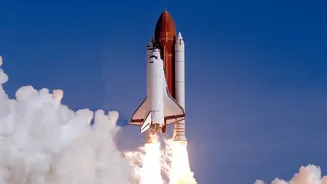
For decades, space exploration has relied on two main technologies: chemical rockets for launch and solar panels for power. While effective for missions in Earth's orbit and to nearby planets, they have significant limitations for the ambitious long-duration
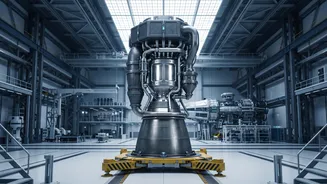
voyages humanity now plans. Chemical rockets are inefficient for long journeys, requiring massive amounts of fuel. Solar panels become increasingly ineffective the farther a spacecraft travels from the Sun, and they cannot provide consistent power during the long lunar nights, which last about 14 Earth days. Nuclear technology offers a solution to both problems. Nuclear Thermal Propulsion (NTP) uses a small reactor to heat a propellant like liquid hydrogen, creating thrust far more efficiently than chemical reactions. This could cut the transit time to Mars from over seven months to potentially as few as three or four, significantly reducing astronaut exposure to deep-space radiation. For surface power, compact fission reactors can provide a steady, abundant stream of electricity for years, regardless of sunlight, making permanent lunar or Martian bases viable.
A New US Framework for Space
The agreement highlighted in the headline is a Memorandum of Understanding (MOU) titled 'Accelerating American Leadership in Space Nuclear Power and Propulsion', signed on October 8, 2026, between NASA and the U.S. Department of Energy (DOE). This formalizes and streamlines their collaboration across the entire development pipeline—from research and fuel production to testing and mission integration. While the US and Russia have a history of space cooperation and arms control treaties like New START, this nuclear space agreement is a domestic US initiative aimed at consolidating its own technological leadership. The framework is designed to support the Artemis program, which aims to return humans to the Moon, and sets the stage for future missions to Mars. The MOU builds on previous efforts, including a December 2025 executive order prioritizing the deployment of a lunar surface reactor by 2030.
Propulsion and Power Milestones
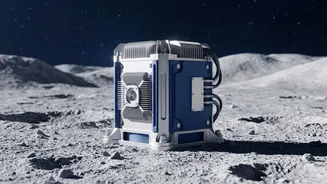
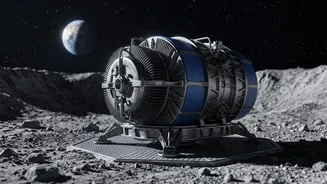
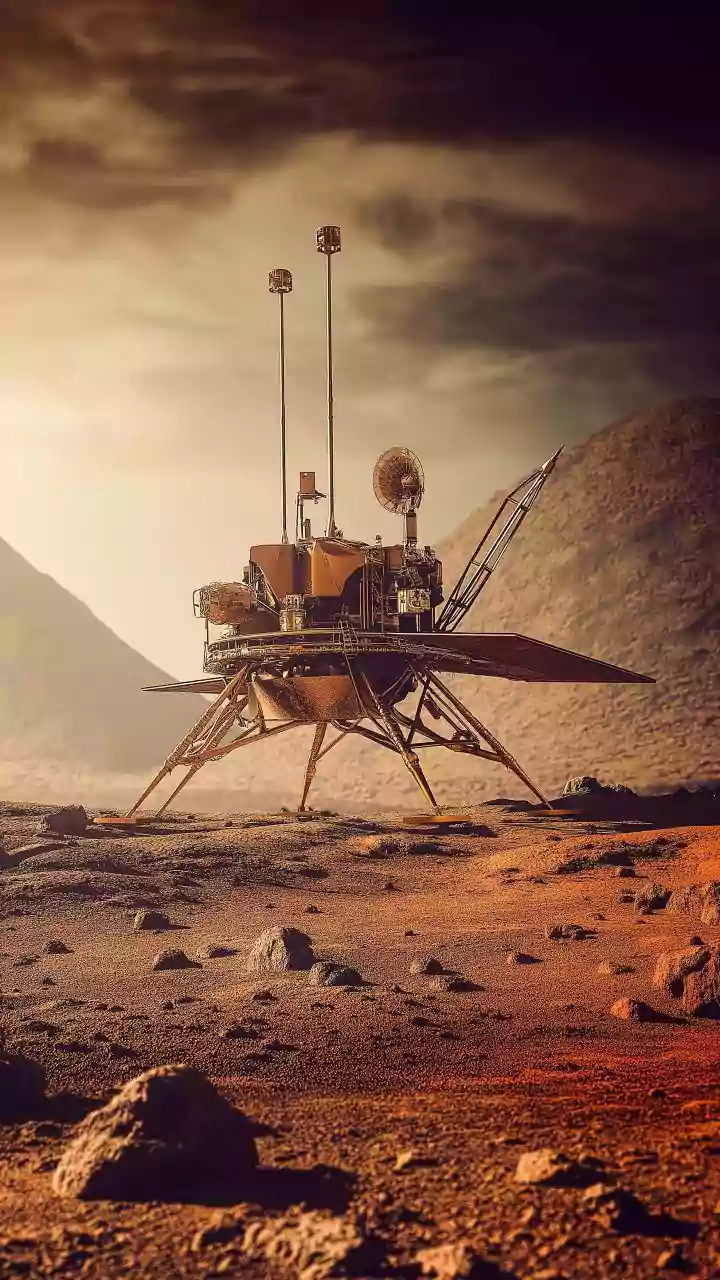
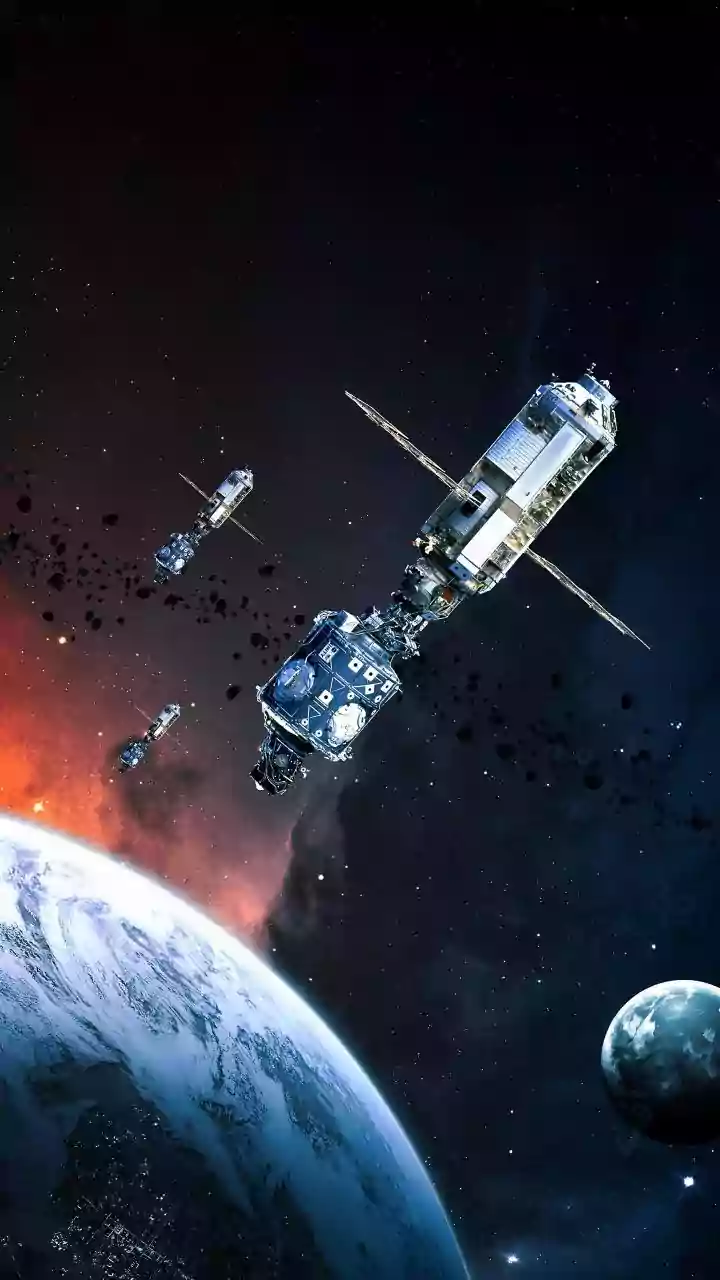
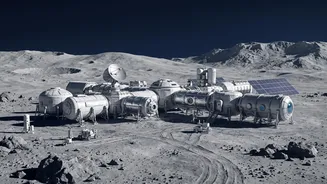
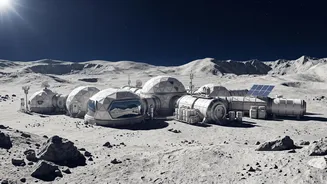
The agreement outlines two flagship programs. The first is Space Reactor-1 Freedom (SR-1), an interplanetary spacecraft set to launch in 2028. It will be the first to use a nuclear electric propulsion system to travel toward Mars, serving as a crucial deep-space operational test. The second is Lunar Reactor-1 (LR-1), a fission surface power system planned for deployment on the Moon around 2030. This 40-kilowatt reactor is designed to operate for at least 10 years and provide the continuous power needed to sustain a permanent moon base, energizing habitats, communication systems, and resource utilization experiments. These projects are not just theoretical; NASA has already awarded contracts to companies like Lockheed Martin and Westinghouse to develop initial design concepts, fostering a domestic industrial base for this new technology.
India's Own Nuclear Ambitions
This American push comes as other nations, including India, are pursuing their own space nuclear capabilities. The Indian Space Research Organisation (ISRO) is actively working with the Bhabha Atomic Research Centre (BARC) to develop nuclear systems for space. ISRO is exploring both Radioisotope Thermoelectric Generators (RTGs) for providing constant power and heat to spacecraft, and more advanced Nuclear Thermal Propulsion. Former ISRO Chairman S. Somanath has emphasized the critical role of India's nuclear sector in achieving its future space goals. While still in the exploratory phase, these efforts signal India's intent to remain a key player in deep-space exploration. This global interest underscores a shared understanding: the nation that masters nuclear power in space will lead the next era of cosmic discovery.