




Why Grow Your Own?
The appeal of container gardening goes beyond just having fresh produce. For many, it's a direct response to concerns about pesticide use and a desire for more nutritious food. Vegetables and herbs begin to lose nutrients almost as soon as they are harvested,
so what you grow yourself is often richer in vitamins. Beyond the health benefits, tending to plants can be a powerful stress reliever, offering a welcome escape from the hustle of city life. It’s also a sustainable practice that reduces your carbon footprint by eliminating food transport and packaging waste. Plus, there's the simple, immense satisfaction of snipping fresh coriander for a curry or plucking a ripe tomato for a salad, knowing you grew it yourself.
Getting Started: What You'll Need
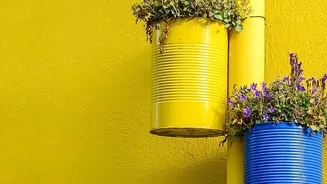
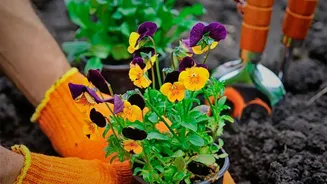
Starting a container garden is simpler than it seems. You don't need a large yard; a small, sunny spot is enough. First, choose your containers. You can use anything from traditional pots and grow bags to recycled buckets or tins, as long as they have drainage holes at the bottom to prevent waterlogging. The size of the container matters; larger pots hold more soil and moisture, giving roots more room to thrive. Next, focus on the soil. Don't use soil directly from the ground, as it compacts easily in pots and suffocates roots. Instead, use a lightweight potting mix. A popular and effective formula for Indian gardeners is an equal-parts mix of garden soil, compost (like vermicompost), and cocopeat. This blend provides structure, nutrients, and excellent moisture retention without becoming heavy.
The Easiest Ingredients for Your Kitchen Garden
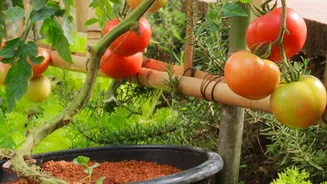
For beginners, it's best to start with low-maintenance plants that offer quick rewards. Herbs are a fantastic choice. Mint (pudina) is incredibly resilient and grows quickly in pots. Coriander (dhania), a staple in Indian cooking, also thrives in containers and grows fast. Other great options include curry leaves (kadi patta), basil (tulsi), and fenugreek (methi). When it comes to vegetables, cherry tomatoes, green chillies, and spinach (palak) are among the easiest to grow in pots. These plants are well-suited to the Indian climate and can produce a rewarding harvest even in limited spaces. Always try to choose plants that are appropriate for the current season for the best results.
Caring for Your Edible Garden
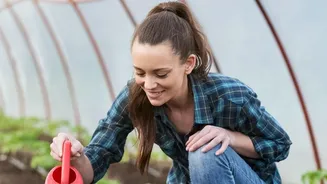
Once your garden is planted, a little regular care will ensure it flourishes. Sunlight is critical; most vegetable plants need at least four to six hours of direct sun daily. Observe the light on your balcony or windowsill throughout the day and place your pots accordingly. Watering is another key task. Container plants can dry out quickly, especially in summer. A simple rule is to stick your finger an inch into the soil; if it feels dry, it's time to water. Water thoroughly until it drains from the bottom, preferably in the morning or evening to reduce evaporation. Finally, since nutrients in a pot are finite, you'll need to feed your plants. Topping up the pot with a layer of compost every few weeks will keep your soil rich and your plants healthy.