






A Powerhouse of Vitamins
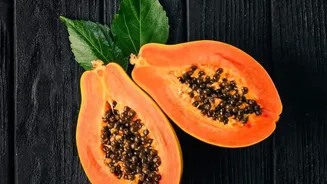
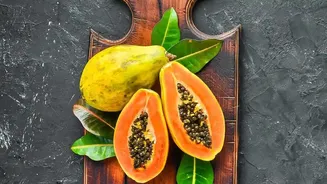
Long before trendy berries and exotic powders filled our social media feeds, papaya was quietly nourishing people around the world. Its vibrant orange flesh is a clear indicator of its rich nutrient profile. A single small papaya can provide more than
your daily requirement of vitamin C, a powerful antioxidant that supports your immune system and skin health. But it doesn't stop there. Papaya is also an excellent source of vitamin A, which is crucial for vision, and folate, an important B-vitamin. It also delivers a healthy dose of potassium, a mineral that helps regulate blood pressure and fluid balance. What makes papaya so accessible is that these benefits come in a low-calorie, high-fibre package, making it a satisfying and smart addition to any diet.
Nature's Digestive Aid
Perhaps papaya's most famous attribute is its ability to aid digestion. This is thanks to a special group of enzymes, most notably papain. Papain is a proteolytic enzyme, which means it excels at breaking down proteins into smaller peptides and amino acids. This process can make proteins easier for your body to digest and absorb, potentially easing symptoms like bloating and gas. For centuries, people in tropical regions have used papaya as a natural remedy for constipation and indigestion. The fibre in the fruit, both soluble and insoluble, also plays a key role in promoting regular bowel movements and supporting a healthy gut microbiome. This combination of enzymes and fibre makes papaya a gentle and effective way to keep your digestive system running smoothly.
Antioxidants and Beyond
Beyond its vitamin and enzyme content, papaya is loaded with beneficial antioxidants, including carotenoids like lycopene, which give the fruit its rich color. Antioxidants are vital for protecting our bodies from oxidative stress caused by unstable molecules called free radicals. This cellular damage is linked to chronic inflammation and various long-term health issues. The specific antioxidants found in papaya have been studied for their potential to support heart health by preventing the oxidation of cholesterol, a key step in the formation of artery blockages. Furthermore, the enzyme papain also has anti-inflammatory properties that may help reduce swelling and pain, and it is even used in some topical applications for wound healing and skin exfoliation.
So, What Is a 'Superfood' Anyway?
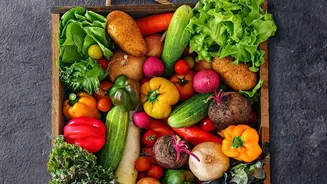
This brings us back to that loaded term: superfood. While it might sound official, there is no scientific or regulated definition for it. It is, by and large, a marketing term created to make certain foods seem exceptionally healthy, often to justify a higher price tag. Experts in nutrition and health are often wary of the label, pointing out that it can be misleading. The European Union has even banned its use on packaging unless it's backed by a specific, authorized health claim. The danger of the 'superfood' trend is that it encourages people to focus on a few expensive, often exotic foods, while ignoring the benefits of a balanced and varied diet. No single food can cure disease or be a magic bullet for weight loss. True health comes from a consistent pattern of eating a wide variety of whole foods, including everyday fruits and vegetables.