



An Appetite Guided by Tradition
The near-universal desire for something hot, crisp, and fried when it rains is not just a coincidence; it's a phenomenon rooted in both science and culture. The cooler, damp weather instinctively makes us crave warm, energy-dense foods. The reduced sunlight
can also lead to a dip in serotonin, our mood-regulating hormone, prompting the brain to seek out the quick comfort that carbohydrate-rich and fatty foods provide. Beyond the biological, however, lies a deeper layer of tradition, often guided by Ayurvedic principles. During 'Varsha Ritu' (the rainy season), Ayurveda notes that our digestive fire, or 'Agni', tends to be weaker. Therefore, traditional monsoon diets often favour light, warm, and easily digestible meals. Spices like ginger, turmeric, and black pepper, known for their warming properties and ability to aid digestion, become kitchen staples. Generations of grandmothers understood this intuitively, preparing meals that were not just delicious but also perfectly suited to the body's seasonal needs.
A Culinary Map of the Monsoon
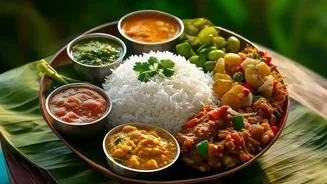
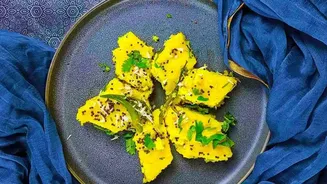
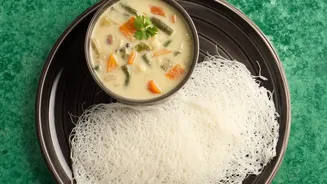
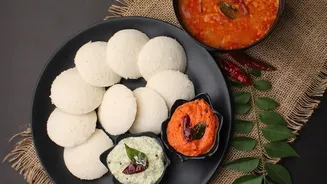
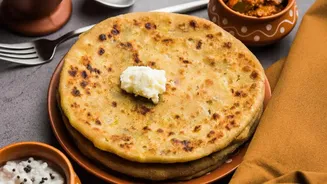
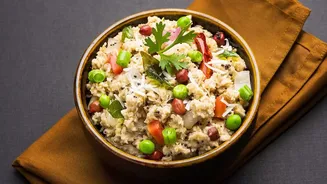
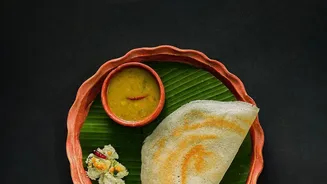
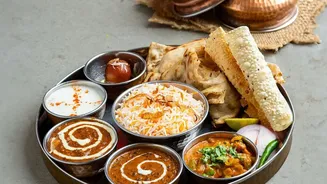
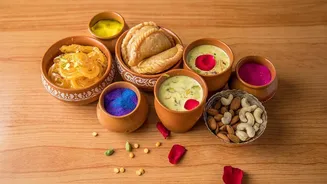
India’s diverse geography means that its monsoon menu is a vibrant tapestry of regional specialties. In the north, the combination of chai with an assortment of pakoras or samosas is an unbreakable ritual. In the east, particularly Bengal, a bowl of 'khichuri'—a comforting mix of rice and lentils—is the quintessential rainy-day meal, often accompanied by fried eggplant or Hilsa fish. Moving west to Maharashtra, the air fills with the aroma of 'kanda bhaji' (onion fritters) and 'batata vada' (spicy potato fritters), while households in Gujarat prepare steamed delicacies like 'patra' and 'muthiya'. In the south, the response to a downpour is often a steaming, spicy bowl of pepper 'rasam', a thin broth that warms the soul, or crispy 'parippu vada' (lentil fritters) in Kerala. And it's not just savoury dishes; Rajasthan celebrates the rains with the intricate, disc-shaped sweet called 'ghewar'. Each dish is a testament to using local, seasonal ingredients to create comfort.
From Oral Tradition to Digital Legacy
For generations, these recipes were not written down in formal cookbooks. They were part of an oral tradition, passed from grandmothers to mothers to children, learned by watching, tasting, and doing. A pinch of this, a handful of that—measurements were based on experience, not spoons and cups. This is the very essence of 'haath ka swaad' (the taste of one's hands), a unique flavour that is impossible to replicate exactly. In today's fast-paced world, where families are often nuclear and spread across cities, this traditional mode of transmission is changing. Yet, instead of fading away, these recipes are finding new life. A younger generation of food bloggers, YouTubers, and Instagram influencers are meticulously documenting their family's culinary heirlooms. They are filming their grandmothers, translating their intuitive instructions into standardized measurements, and sharing these treasures with a global audience, ensuring their survival for generations to come.
Modern Kitchens, Timeless Flavours
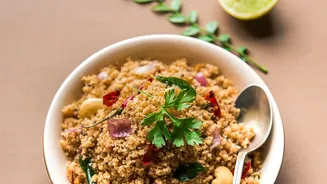
The preservation of these recipes does not mean they are static. In modern Indian homes, tradition and innovation coexist beautifully. The core flavour of a monsoon dish is cherished, but the methods are often adapted to suit contemporary lifestyles and health considerations. The beloved pakora, for instance, is now frequently made in an air fryer, offering the same satisfying crunch with a fraction of the oil. Chefs and home cooks are deconstructing classics, creating fusion dishes like 'butter chicken tacos' or using modern techniques to refine textures and presentation. Healthier ingredients are substituted, like using Greek yogurt instead of cream or incorporating different grains into khichdi. This evolution is crucial; it keeps the recipes from becoming mere museum pieces. By adapting to new tools and dietary knowledge, these dishes remain a relevant, vibrant part of daily life, not just a nostalgic memory.