






The Problem with Recipe-First Cooking
Many of us cook with a recipe-led approach. We find a recipe online or in a book, make a list of specific ingredients, and go to the store to buy them. While this ensures a predictable outcome, it has a major drawback in times of high inflation: it ignores
the cost and availability of ingredients. If a recipe calls for red bell peppers in a season when they are expensive, or an imported spice that has a high markup, you end up paying a premium. You become a hostage to the recipe, forced to buy items at their peak price instead of seeking out value. This method, while organised, can significantly inflate your grocery bill without you even realising it.
Embracing a Market-Led Mindset
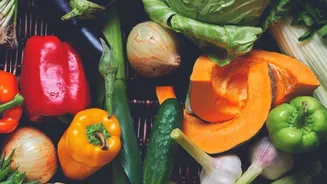
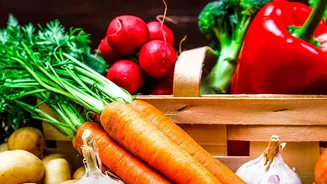
A market-led approach flips the process. Instead of starting with a recipe, you start at the market. Your first question isn't "What do I need for this dish?" but rather, "What is fresh, seasonal, and affordable today?". You let the market dictate your menu. You might find that spinach and tomatoes are incredibly cheap this week, or that bottle gourd (lauki) is in abundance. You buy these items first and then decide what to cook with them. This strategy puts you in control, allowing you to build your meals around the best deals available. It’s a shift from rigid planning to creative, flexible cooking.
The Tangible Benefits of Flexibility
The most obvious benefit is cost savings. By consistently choosing seasonal and locally available produce, you can cut your grocery expenses significantly. But the advantages go further. Food that is in season is almost always fresher, more nutritious, and more flavourful. A market-led approach also encourages creativity. When you have a basket of fresh vegetables, you learn to experiment with different combinations and techniques, becoming a more intuitive cook. Furthermore, it helps reduce food waste. By buying what's available and using it all, you're less likely to have that one expensive, exotic ingredient wilting away in your fridge after being used for a single recipe.
Your Guide to Getting Started
Making the switch can feel daunting, but it’s easier than it sounds. First, build a robust pantry of staples. Keep dals, rice, flour, onions, potatoes, ginger, garlic, and a wide array of spices on hand at all times. These form the foundation of countless Indian meals. Second, learn basic cooking techniques or 'mother recipes', like a simple tadka, a basic curry base, or a versatile bhaji preparation. Once you master these, you can adapt them to any vegetable. Third, when you shop, go with an open mind. Buy the vegetables that look best and are priced well. Finally, start small. Try planning just one or two market-led meals a week and see how it feels. You'll quickly build the confidence to cook more freely.
Putting It Into Practice
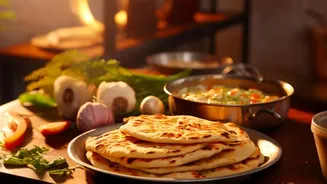
Imagine you go to the mandi and find that cauliflower (gobi) and green peas (matar) are very affordable. With your well-stocked pantry, your options are plentiful. You could make Aloo Gobi, a simple stir-fry with peas and paneer, Gobi Parathas for breakfast, or even a creamy vegetable korma. If you find a great deal on tomatoes, you could prepare a large batch of basic tomato gravy to freeze and use later for various curries. This flexibility not only saves money but also adds variety to your weekly menu, breaking the monotony of eating the same few dishes on repeat. The key is to see ingredients not as fixed components of one recipe, but as versatile building blocks for many potential meals.