



A Lake Born from Disaster
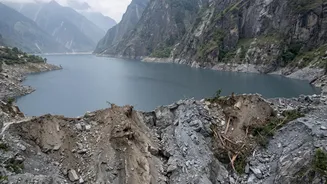
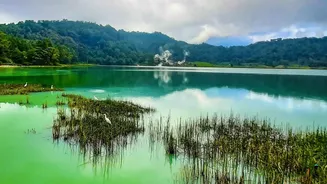
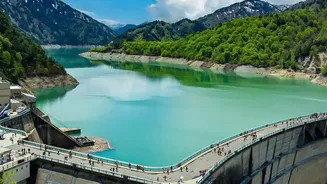
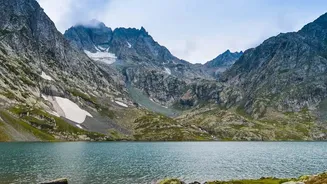
Following a devastating flash flood and ice-rock avalanche along the Nepal-China border, a significant barrier lake has formed. Debris and mud carried by the torrent blocked the Bhotekoshi river, a major tributary of the Trishuli river system, near the confluence
of the Chhochen Khola and Purepu Tsangpo rivers. These naturally formed dams are inherently unstable. Chinese authorities, who are monitoring the situation closely, warned that the lake was already overflowing and that more water expected in the coming days created a high risk of a breach. Initial estimates placed the lake's volume at around 2 million cubic metres. This sudden impoundment of water has added a new layer of danger to an already catastrophic situation where hundreds have died and thousands are missing.
The Anatomy of a Breach
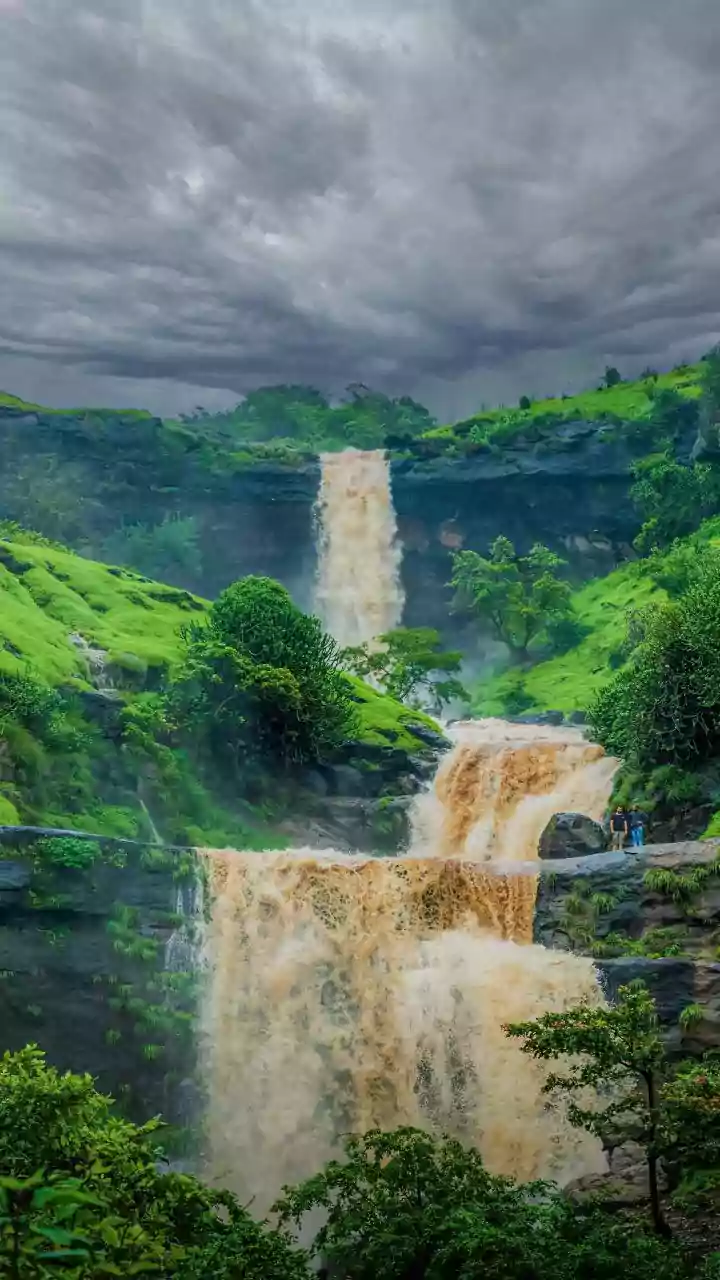
When a barrier lake breaches, the consequences are almost always catastrophic. Unlike engineered dams with controlled spillways, these natural blockages can fail suddenly and with little warning. Failure typically happens in two ways: overtopping, where rising water flows over the dam's crest and rapidly erodes the loose material, or structural collapse from the immense pressure of the water behind it. A breach releases a sudden, high-energy flood wave, a churning wall of water, mud, and debris that travels downstream at immense speed. This outburst flood can have extreme hydraulic force, capable of wiping out everything in its path, including buildings, roads, and bridges, and fundamentally altering the landscape for kilometres. The immediate aftermath of a breach is a downstream flood of potentially historic proportions.
Communities in the Crosshairs
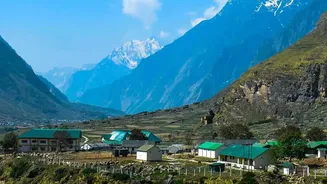
The immediate threat is to the communities located along the Bhotekoshi and Trishuli river systems downstream from the barrier lake. Following the initial disaster, Nepalese authorities have been conducting extensive rescue operations and have moved residents from vulnerable areas. In Nepal's Rasuwa district, residents have been on edge, scrambling to higher ground amid fears of a secondary flood surge. The disaster has already destroyed vital infrastructure, cutting off remote valleys and making rescue and relief efforts extremely difficult. A further flood wave from a breach would compound the tragedy, hitting areas where people have already lost their homes and where emergency responders are working in perilous conditions.
Will the Floodwaters Reach India?
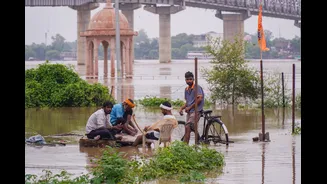
Yes, the threat extends directly to India. The river system at the center of this crisis flows across the border. The Bhotekoshi and Trishuli rivers in Nepal merge and eventually become the Gandak river when they enter India, flowing through parts of Bihar and Uttar Pradesh before joining the Ganga. In response to the initial flood and the subsequent barrier lake threat, Indian authorities have issued high alerts for border districts. The National Disaster Response Force (NDRF) and the Central Water Commission (CWC) are carefully monitoring water discharge levels from Nepal to provide advance warning. While officials noted that the immediate flow had not yet reached alarming levels on the Indian side, the situation remains critical, and state governments were directed to prepare for potential evacuations.
Racing Against Time
Efforts to manage the threat are underway, but they are complex and dangerous. Chinese and Nepalese authorities are coordinating, with China conducting aerial surveys and flood simulations to assess the consequences of a breach. Rescue operations for the initial disaster had to be temporarily paused due to the risk posed by the unstable lake. As of Sunday, Chinese authorities reported that the lake had begun to drain through natural outflow, easing the immediate fears of a massive, sudden breach. However, the situation remains precarious. The natural dam is still composed of loose, unstable debris, and continued erosion or further landslides could change the situation rapidly. Even with the partial draining, river levels along the Trishuli have remained high, causing further erosion and damage, including the washout of a highway section and a suspension bridge.