


A New Model for Cultural Exchange
For years, large-scale festivals have been the hallmark of international cultural diplomacy. While exciting, these events are often fleeting. A new model is gaining ground, one that prioritizes depth over dazzle: the long-term creative residency. Instead
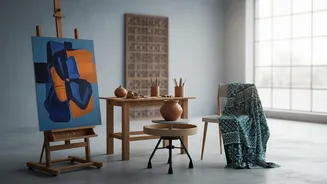
of importing a finished performance for a week, this approach embeds artists in a new environment for months, allowing for genuine collaboration, research, and the creation of entirely new work. This is the philosophy behind Villa Swagatam, a flagship Indo-French initiative designed to build enduring creative bridges. Launched in 2023, it moves beyond the festival format to foster a more profound and sustainable dialogue between creative minds in both nations.
What is Villa Swagatam?
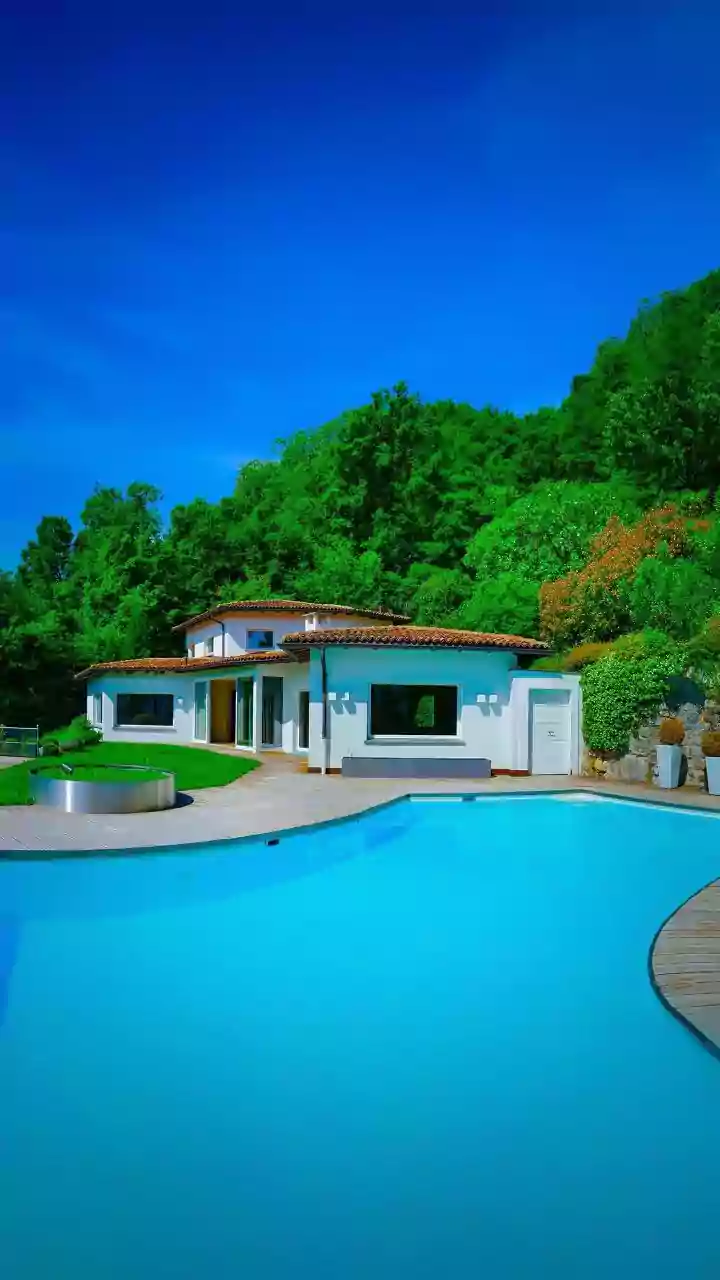
Villa Swagatam is not a single building but a decentralized network of residencies. Coordinated by the French Institute in India, it partners with around 30 diverse institutions across France and South Asia, including India, Bangladesh, Sri Lanka, and Bhutan. The program is fully funded and supports artists, writers, designers, translators, and researchers for immersive stays of one to three months. It was established to mark the 25th anniversary of the France-India strategic partnership and is a key part of the India-France Year of Innovation 2026. The name itself, combining the Italian word for a creative house with the Sanskrit word for 'welcome', reflects its core mission of collaborative exchange.
A Two-Way Street of Creativity
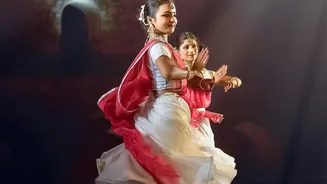
A crucial element of Villa Swagatam is its principle of reciprocity. While the initial phase focused on bringing French artists to India, the program has evolved to ensure a balanced exchange. Today, Indian artists, writers, and researchers are hosted in France under the same framework, creating a genuine two-way flow of ideas and talent. The most recent selection for the 2026-2027 cycle, for example, includes 35 laureates from both regions. Indian contemporary dancer Aishwarya Raut will develop new work at the Centre National de la Danse in Pantin, while novelist Shubhangi Swarup heads to La Réunion to explore the shared ecological histories of the Indian Ocean.
Art with Deep Roots
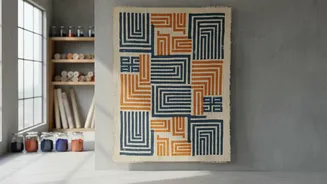
The program has a special focus on literature and arts and crafts, disciplines seen as rich vectors for cultural dialogue. The projects often engage deeply with local traditions and contemporary issues. For instance, visual artist Kaanchi Chopra will undertake a residency in France to work with wool-based practices, while Gargi Chandola will use Indian miniature painting traditions to explore modern ecological themes. In Kishangarh, known for its marble, French artists will engage with local stone craftsmanship. This approach ensures that the work produced is not created in a vacuum but is deeply connected to place, history, and community.
Building a Lasting Legacy
By funding immersive experiences, Villa Swagatam aims to create what the French Ambassador calls 'cultural passeurs'—individuals who act as bridges, weaving lasting connections between societies. Over its first few years, the program has already supported nearly 100 residents, creating a dense network of collaboration that spans disciplines and borders. This focus on long-term relationships and deep engagement is a deliberate strategy. It moves cultural diplomacy away from ephemeral showcases and toward the creation of a shared artistic ecosystem. The result is not just a collection of new artworks, but a community of creators with a shared history and a collaborative future.