






A Vision of Paradise and Light
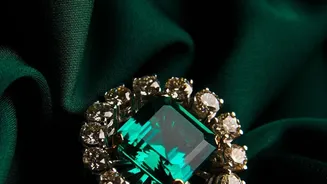
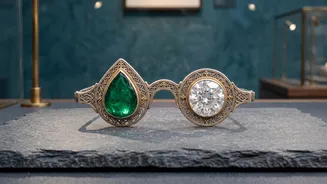
Known as the 'Gate of Paradise' and the 'Halo of Light', these are no ordinary eyeglasses. The first pair features two teardrop-shaped lenses meticulously sliced from a single Colombian emerald believed to have originally weighed over 300 carats. The second
pair boasts lenses cleaved from a single diamond, likely from the famed Golconda mines of India, that may have weighed more than 200 carats before being cut. While the lenses themselves date back to the height of the Mughal era in the 17th century, the current frames, adorned with rose-cut diamonds, were added around 1890 to suit a more modern aesthetic. These artifacts are considered unique; as far as experts know, no other examples exist.
Craftsmanship from the Imperial Court
The creation of these spectacles represents an astonishing level of technical mastery. The Mughal lapidaries who fashioned them had to cut and polish the gemstones into thin, transparent lenses without the aid of modern technology, a feat that speaks to their genius. The sheer quality and size of the original gemstones suggest they could only have been reserved for an emperor or a high-ranking member of the royal court. While the exact patron is unknown, the timeline places their creation during the reigns of emperors Jahangir, Shah Jahan, or Aurangzeb, a golden age of arts and culture in the Mughal Empire. The Mughals had a deep appreciation for precious gems, amassing a treasury renowned across the world.
More Than Just Eyewear
These spectacles were likely designed for more than just correcting vision; they were aids for spiritual enlightenment. In Islamic tradition, which was central to the Mughal court, the color green is closely associated with paradise, salvation, and eternal life. It is believed that looking through the emerald 'Gate of Paradise' lenses was intended to give the wearer a glimpse of heaven or to have healing properties. Legend even holds that Emperor Shah Jahan soothed his eyes with emeralds after weeping extensively for his wife, Mumtaz Mahal. Diamonds, in turn, were associated with celestial light and illumination, making the 'Halo of Light' spectacles a tool for achieving spiritual clarity.
A Journey to the Auction Block
For centuries, the spectacles remained hidden from public view. They were held in the collection of an unnamed Indian princely family until the 1980s, when they were sold to European buyers. In October 2021, they emerged into the global spotlight when they were put up for auction by Sotheby's in London. The auction house placed an estimate of £1.5 million to £2.5 million (approximately $2.1 to $3.5 million) on each pair, a testament to their unparalleled rarity and historical significance. The sale, part of the 'Arts of the Islamic World and India' auction, drew worldwide attention, captivating collectors, historians, and art lovers alike.