





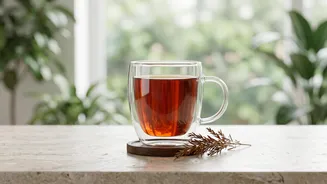

A Different Plant Altogether
The most fundamental difference is that rooibos isn't technically a 'true' tea. Regular teas—including black, green, white, and oolong—all come from the leaves of the Camellia sinensis plant. Rooibos, however, is an herbal infusion made from the Aspalathus
linearis shrub, a plant native to South Africa's Cederberg region. This plant is a member of the legume family, making it more closely related to peas than to the tea plant. The name rooibos means 'red bush' in Afrikaans, a nod to the rich, reddish-brown colour the leaves get after being fermented and dried in the sun.
The Caffeine Question
Herein lies the biggest differentiator for many tea drinkers. Rooibos is naturally 100% caffeine-free. The Aspalathus linearis plant simply doesn't produce it. This makes it a great choice for anyone looking to reduce their caffeine intake, including those with anxiety, pregnant women, or people who want a warm, soothing drink before bed without it disrupting their sleep. By contrast, a standard cup of black tea contains roughly 40-70 mg of caffeine, which is about half the amount in a typical coffee. While this provides a welcome energy boost for many, it can be a drawback for others.
An Antioxidant Showdown
Both rooibos and regular tea are celebrated for their rich antioxidant content, but they contain different types. Green and black teas are packed with compounds like catechins and EGCG, which are well-researched for their health-promoting properties. Rooibos boasts its own unique set of antioxidants, most notably aspalathin and nothofagin. Aspalathin, in particular, is a polyphenol that is not found in other teas. While some studies suggest green tea has a higher overall antioxidant concentration, the compounds in rooibos have been linked to specific benefits like reducing stress hormones and inflammation. So, it’s not about one being superior, but about them offering different protective compounds.
Tannins, Taste, and Texture
If you've ever over-steeped a cup of black tea, you're familiar with tannins. These compounds create a brisk, sometimes bitter or astringent taste. Rooibos tea has significantly lower tannin levels. This results in two key benefits: first, it has a naturally sweeter, smoother, and less bitter taste that many people enjoy without adding sugar. Second, high levels of tannins can sometimes interfere with the body's absorption of nutrients like iron, especially from plant-based foods. The low tannin content makes rooibos a more forgiving choice to drink with meals.
How to Brew Each
Preparation also highlights their differences. Due to its high tannin content, black tea can become bitter if brewed for too long—a steeping time of 3 to 5 minutes at a near-boiling temperature is usually recommended for optimal flavour. Rooibos, on the other hand, is much more forgiving because of its low tannin levels. You can steep it for much longer, even up to 7 minutes or more, without it developing any bitterness; the flavour will simply become stronger and richer. Both rooibos and black tea can be enjoyed plain or with milk and a sweetener.